
Opinion: 'Make America Healthy Again' Captivates Young Voters — Democrats Take Note
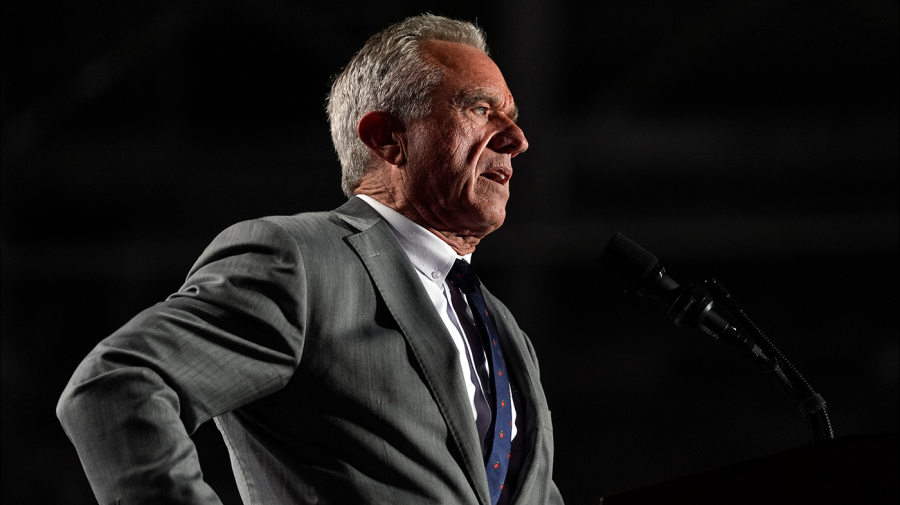
RFK Jr. and the Changing Landscape of American Health Policy
Recent polling data has shown a significant shift in public opinion, with Americans expressing more trust in Republicans than Democrats on key issues such as the economy, immigration, foreign policy, and inflation. While Democrats still hold an edge in health care and vaccines, this dynamic could be changing, especially with the influence of Robert F. Kennedy Jr. (RFK Jr.). His growing popularity among young voters and his bold stance on health-related issues have sparked discussions about his potential impact on the political landscape.
A Growing Public Support for RFK Jr.’s Agenda
RFK Jr., who currently serves as the Secretary of Health and Human Services under the Trump administration, has been making waves with his "Make America Healthy Again" initiative. Despite facing criticism from liberal media outlets that label him as “anti-vaccine,” many Americans are drawn to his vision of addressing corporate interests that they believe contribute to poor health outcomes and over-reliance on pharmaceuticals.
A recent NBC News poll highlighted this sentiment, showing that 51% of respondents approved of RFK Jr.'s efforts, while only 48% disapproved. Interestingly, when asked about the causes of chronic health problems like obesity and heart disease, a majority of respondents pointed the finger at the food industry. This aligns with RFK Jr.'s focus on reforming the food system and promoting healthier choices.
Supporting Evidence for RFK Jr.'s Claims
Several experts have examined RFK Jr.'s claims about the nation’s health and found them to be largely supported by scientific research. For instance, a New York Times article reviewed five of his main health assertions and ended up endorsing three of them. One notable point was the agreement among public health and nutrition experts that ultra-processed foods are driving the obesity epidemic and should be removed from school lunches.
RFK Jr. has also raised concerns about the use of synthetic food dyes, which he claims can cause cancer and ADHD in children. Although some small clinical trials suggest these dyes may increase hyperactivity in children, many experts agree that it wouldn't hurt to avoid them. Similarly, his emphasis on reducing added sugars, particularly high fructose corn syrup, is backed by evidence linking these ingredients to childhood obesity and cardiovascular disease.
Shaking Up the Food Industry
RFK Jr.'s influence has already begun to reshape the food industry. In April, the FDA announced plans to eliminate several petroleum-based dyes by the end of next year, following RFK Jr.'s claims about their potential health risks. Major brands like General Mills, Kraft Heinz, and Nestlé have started replacing artificial dyes with natural alternatives, despite the costs involved.
This shift is likely to gain traction, even if it means less vibrant colors in products like ice cream and cereal. In countries like Canada and Europe, artificial dyes require warning labels, prompting manufacturers to opt for natural options. The fact that so many companies are making these changes suggests they may be aware of risks that are not being publicly disclosed.
Targeting Ultra-Processed Foods
In May, RFK Jr. and his "Make America Healthy Again" commission released a 69-page report targeting ultra-processed foods. These foods, which make up over 70% of the American diet, are often made with manufactured ingredients designed to encourage overeating. A study published in the British Medical Journal linked ultra-processed foods to increased risks of various health conditions, including obesity, diabetes, heart disease, and mental health disorders.
RFK Jr. is not alone in his concerns. According to Open Secrets, agribusiness PACs donated nearly $31 million to politicians last year, while food sales and processing firms contributed another $3 million. Additionally, the food industry spent $16 million on lobbying, highlighting the extent of its influence.
Vaccines and Public Trust
Despite his controversial stance on vaccines, RFK Jr. has acknowledged the need to rebuild public trust in vaccine mandates and the broader health industry. He has called for a complete overhaul of the Advisory Committee for Immunization Practices, citing conflicts of interest among members. This move has been welcomed by many, as it allows for independent researchers to reevaluate vaccine recommendations.
Young Voters and the MAHA Movement
RFK Jr.'s willingness to challenge established norms and ask difficult questions has made him popular among young people. This has contributed to Republican gains among Gen-Z voters, particularly young males and females. A recent Fox News interview with a young influencer revealed that many young voters are drawn to the "Make America Healthy Again" movement due to concerns about rising rates of preventable chronic diseases.
The New York Times has also noted the rise of "crunchy teen" wellness influencers who align with RFK Jr.'s message. While some critics worry about the potential for extreme dietary focus, the trend highlights a growing interest in health and wellness among younger generations.
As RFK Jr. continues to shape the conversation around health policy, his influence on both public opinion and the political landscape is becoming increasingly evident.

Post a Comment for "Opinion: 'Make America Healthy Again' Captivates Young Voters — Democrats Take Note"
Post a Comment