
Russia's PAK DA Stealth Bomber Headed for Failure
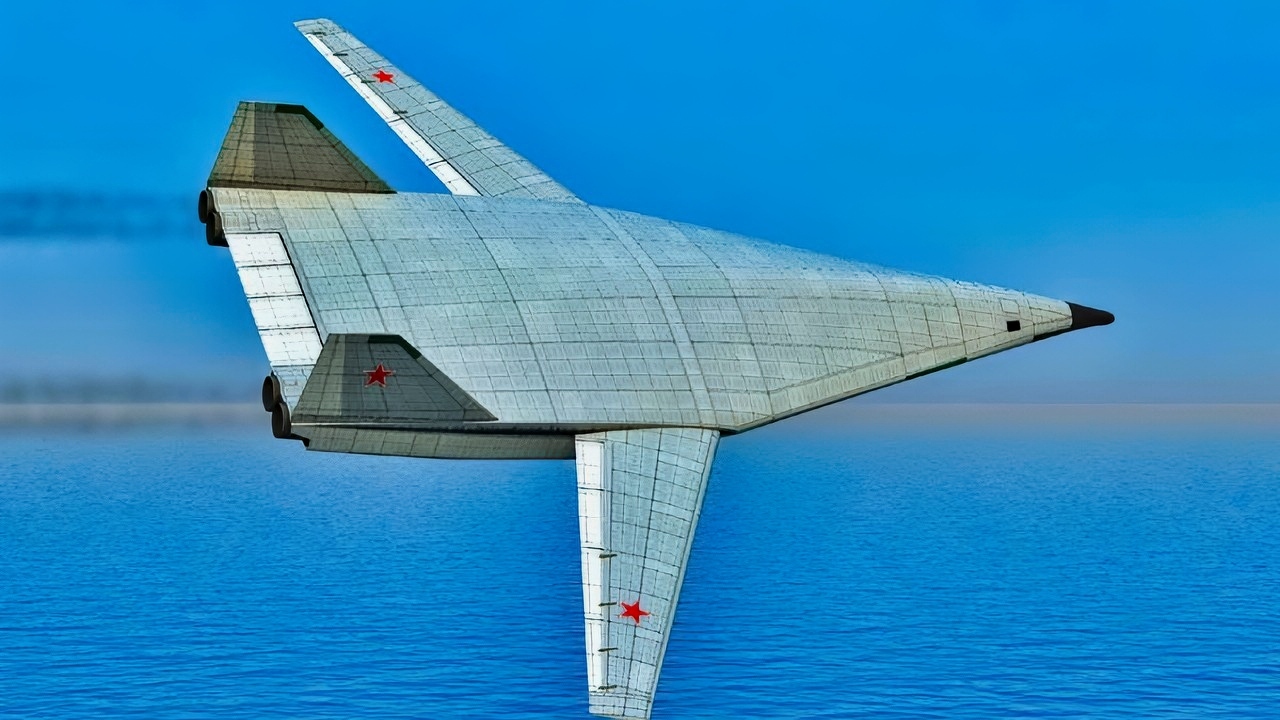
Overview of the PAK DA Stealth Bomber
The PAK DA (Prospective Aviation Complex for Long-Range Aviation) is a next-generation stealth bomber currently under development by Russia. Designed to modernize its aging fleet, the PAK DA aims to maintain strategic parity with the United States' B-21 Raider and China's H-20. This project represents a significant shift in Russian military doctrine, moving away from speed-focused designs toward low observability and advanced stealth technology.
Strategic Importance of the PAK DA
Russia's need for the PAK DA stems from several critical factors. The country’s current strategic bomber fleet includes the Tu-95, which dates back to the 1950s, and the Tu-160, a more modern but still outdated platform. These aircraft are not sufficient to meet the demands of contemporary warfare or to ensure long-range strike capabilities well into the 21st century.
The ongoing conflict in Ukraine has further highlighted the necessity of the PAK DA. Several of Russia's older bombers have been lost or damaged, making it imperative to replace these assets. The PAK DA is expected to serve as both a replacement and an enhancement, ensuring that Russia can maintain a credible deterrent against potential adversaries.
Role in Nuclear Deterrence
Strategic bombers play a vital role in Russia’s nuclear triad, offering flexibility that intercontinental ballistic missiles cannot. Unlike fixed missile systems, bombers can be recalled, retargeted, and dispersed, enhancing their survivability. The PAK DA’s stealth features and extended range are designed to allow it to penetrate enemy defenses and deliver nuclear payloads, reinforcing Russia’s second-strike capability.
Beyond nuclear deterrence, the PAK DA is also intended to support global power projection. In an era of heightened great power competition, Russia seeks to assert its influence in regions such as the Arctic, the Middle East, and the Asia-Pacific. A long-range bomber capable of delivering precision strikes from standoff distances would significantly enhance Russia’s ability to conduct expeditionary operations and shape regional conflicts.
Development Challenges and Delays
The PAK DA program has faced numerous delays and challenges. Initially, analysts speculated that the new bomber might be a derivative of the supersonic Tu-160, but by 2009, it became clear that it would be a completely new design. Russian officials emphasized the need for a platform that reflects modern warfare realities rather than simply updating legacy systems.
By 2013, the project gained momentum, with a focus on stealth and subsonic flight. This marked a departure from Cold War-era designs that prioritized speed over low observability. The PAK DA is expected to feature a flying wing design, similar to the American B-2 Spirit and B-21 Raider, which minimizes radar cross-section and enhances aerodynamic efficiency.
Despite initial optimism, the program has encountered setbacks. Flight testing was delayed, and as of 2025, the first flight is now anticipated sometime this year, though this remains uncertain. State testing is scheduled for 2026, with initial operational capability targeted for 2027. However, some analysts believe full-scale production may not begin until 2030 or later.
Economic and Industrial Constraints
The delays have been attributed to a combination of technological hurdles, international sanctions, and the economic strain caused by Russia’s military engagements, particularly the war in Ukraine. Analysts question whether Russia has the economic and industrial capacity to bring the bomber into full-scale production. Some experts doubt that the PAK DA will ever materialize in any meaningful capacity, suggesting it may only serve as a technological showcase rather than a transformative addition to Russia’s arsenal.
Conclusion
The PAK DA represents a significant step in Russia’s efforts to modernize its military capabilities and maintain strategic parity with global powers. However, the program faces substantial challenges that could delay or even derail its development. As the geopolitical landscape continues to evolve, the success of the PAK DA will be closely watched by defense analysts and policymakers around the world.

Post a Comment for "Russia's PAK DA Stealth Bomber Headed for Failure"
Post a Comment