
Seasonal DIY Lawn Care: Keep Your Yard Healthy All Year
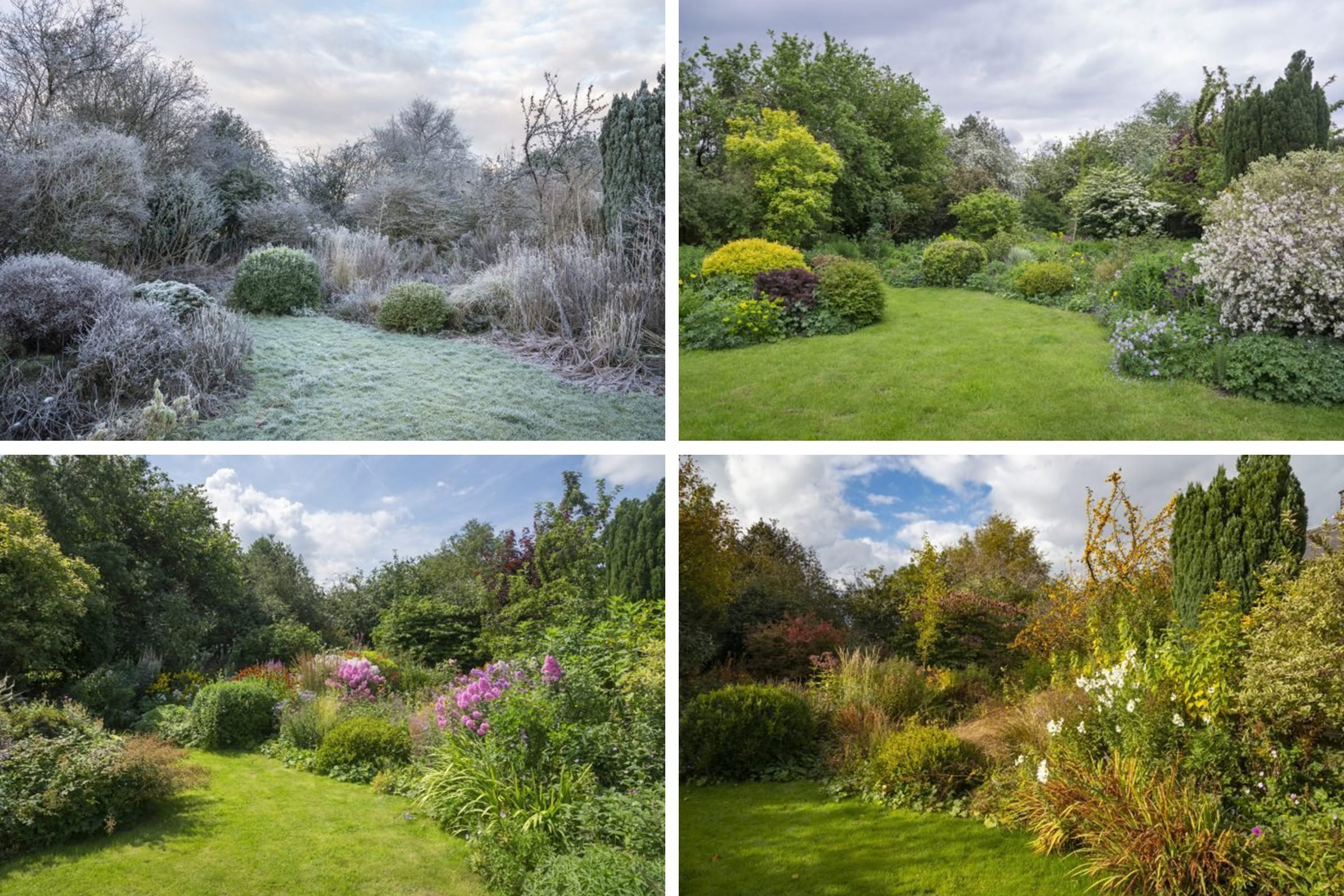
Why a Seasonal Lawn Care Schedule Matters
Maintaining a healthy and vibrant lawn requires more than just occasional watering and mowing. A well-structured seasonal care schedule ensures that your yard receives the right attention at the right time of year. From spring growth to fall recovery, each season brings unique challenges and opportunities for improvement. Getting the timing wrong can lead to poor grass health, increased weed presence, and even damage from extreme weather conditions. By following a consistent maintenance plan, you can enjoy a lush, green lawn without the need for professional assistance. This approach not only saves money but also makes each task more efficient and effective.
Spring Lawn Care Tips for DIY Enthusiasts
Spring is the perfect time to start your year-round lawn care journey. However, it’s important to be patient and avoid starting too early. Make sure the ground is no longer frozen, the surface is firm, and the grass is actually showing signs of growth. Premature work can be harmful rather than helpful.
One often-overlooked task in spring is applying gypsum to areas affected by road salt or ice melters. These substances can be damaging to grass, especially near curbs, driveways, and sidewalks. Applying granular gypsum after the ground thaws and then watering it thoroughly helps flush out salts, creating a healthier environment for existing turf and new seedlings.
If you have an irrigation system, now is the time to check its functionality. Look for leaks, ensure sprinkler heads are working properly, and verify coverage. An inefficient system can waste water and lead to higher utility bills. Also, consider soil testing in the spring. This step helps identify nutrient deficiencies, pH imbalances, and other soil health issues. While DIY kits may seem convenient, they often lack accuracy. Instead, consult your local extension service or university for reliable results and recommendations.
Applying pre-emergent herbicides is another key step if you typically deal with crabgrass. The best time to apply these products is when soil temperatures consistently reach 50 to 55 degrees Fahrenheit. When used correctly, they can provide several months of control.
Summer Lawn Maintenance to Beat the Heat
During the hot summer months, it's crucial to avoid overworking your lawn. Mow and water only as needed, and apply fertilizer sparingly—once during the early to mid-summer period. Early summer is an ideal time to target broadleaf weeds like dandelions, clover, and creeping charlie. Spot spraying is more effective than using weed-and-feed products, which often don't deliver the same level of precision.
Grass grows quickly in late spring and early summer, so you may need to mow every four to five days instead of once a week. This prevents clumping and makes cleanup easier. If you choose to fertilize, opt for organic-based options containing meal byproducts like bone meal or blood meal. These are safer to use in hot weather compared to synthetic fertilizers, which can burn the lawn due to their high salt content.
Late summer and early fall bring potential threats from Japanese beetle larvae. Applying a preventative grub control in early summer before eggs hatch can help protect your lawn. Watering the insecticide into the soil after application is essential for effectiveness.
Proper watering is also vital. During dry spells, you may need to water two or three times a week, but avoid strict watering rules imposed by municipalities. These can lead to wasted water and potential harm to your lawn. Additionally, consider using coffee grounds as a natural way to boost plant health.
Fall Lawn Prep for Healthier Grass Next Year
Late summer and early fall are the best times to perform major lawn care tasks. Core aeration is one of the most beneficial steps you can take. It reduces soil compaction, manages thatch, and allows fertilizer, water, and grass seed to penetrate the soil where they're needed most. You can aerate in spring or early summer, but avoid doing so on hot, dry days.
This is also the ideal time to reseed thin or damaged areas. Warm soil temperatures trigger quick germination and strong seedling establishment. Aim to complete seeding before October 1. If you're laying sod, you can do so almost any time of the year, even into early November.
Early fall is also the best time for your final fertilizer application. This feeding helps your lawn prepare for winter dormancy and sets the stage for a healthy comeback in the spring. Before the ground freezes, apply another round of gypsum in areas where you expect salt and ice-melter damage during the winter.
Winter Care and Planning Ahead for Next Season
While there isn’t much to do during the winter months, it’s a great time to prepare for the next growing season. Tune up your lawn mower to ensure it starts easily in the spring. Sharpen the blade to maintain a clean cut and check other equipment like trimmers, edgers, and leaf blowers. Replace batteries, spark plugs, and filters as needed.
Take advantage of the off-season to learn more about environmentally sustainable lawn care practices. Local extension services often offer valuable resources and information tailored to your area. Some communities and colleges may also host lawn care classes during the winter.
Frequently Asked Questions
Can I maintain my lawn without professional help?
Absolutely! With a good DIY lawn care schedule, you can manage your lawn effectively. Most homeowners who follow these tips end up with a prettier lawn than those maintained by professional services. All it takes is consistency, a few tools, and a commitment to year-round care. From fertilization to thatching, almost any lawn job is achievable with a bit of effort and planning.

Post a Comment for "Seasonal DIY Lawn Care: Keep Your Yard Healthy All Year"
Post a Comment