
Tesla Ordered to Pay Over $240 Million in Autopilot Crash Case
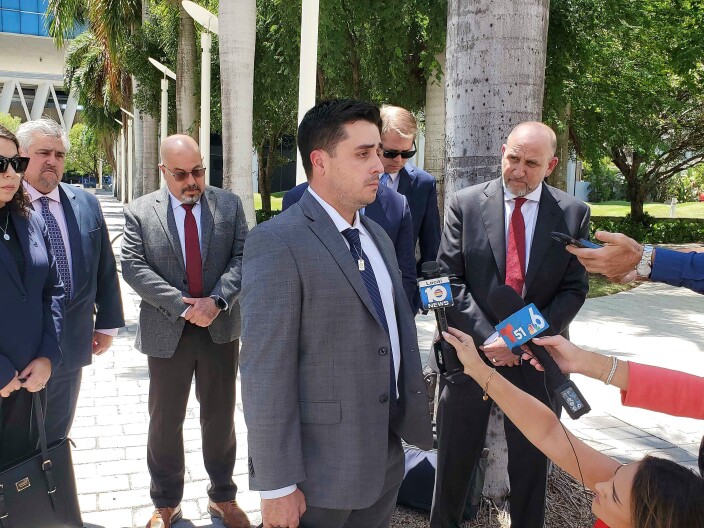
Tesla Faces Major Legal Consequences in Autopilot Crash Case
A Miami jury has ruled that Tesla, the electric vehicle company founded by Elon Musk, was partially responsible for a fatal crash involving its Autopilot driver-assist technology. The verdict resulted in a damages award of over $240 million to the victims' families, marking a significant legal and financial blow to the company.
The case centered around an incident in 2019 on a dark, rural road in Key Largo, Florida. A driver, George McGee, admitted to being distracted by his cellphone at the time of the accident. He ran through flashing lights, a stop sign, and a T-intersection before crashing into a Chevrolet Tahoe that a young couple had parked to watch the stars. The impact launched one of the victims, 22-year-old Naibel Benavides Leon, 75 feet through the air and into nearby woods, where her body was later found. Her boyfriend, Dillon Angulo, suffered severe injuries, including broken bones and a traumatic brain injury.
While the driver acknowledged his negligence, the jury determined that Tesla bore significant responsibility due to flaws in its Autopilot system. The company’s technology failed to disengage when the driver showed signs of distraction, and it allowed use of the system on roads that were not designed for such automation. This decision comes as Musk continues to promote self-driving capabilities for his vehicles, with plans to launch a driverless taxi service in several cities.
A Landmark Verdict with Wide-Ranging Implications
This case is notable not only for its outcome but also because it reached a trial stage. Many similar cases against Tesla have been dismissed or settled quietly, avoiding public scrutiny. However, this case took a different path after the plaintiffs uncovered evidence that Tesla may have withheld critical data from the outset.
Lawyers for the victims claimed that Tesla either lost or concealed key evidence, including video footage recorded seconds before the crash. Tesla initially denied having the data, but later admitted it had access to it all along. A forensic data expert hired by the plaintiffs helped uncover the missing information, leading to the discovery that the car was defective.
“This will open the floodgates,” said Miguel Custodio, a car crash lawyer not involved in the case. “It will embolden a lot of people to come to court.”
Tesla’s Response and Financial Impact
Tesla responded to the verdict by calling it “wrong” and stated that it could set back automotive safety efforts. The company argued that the driver, from the beginning, admitted fault and that the plaintiffs fabricated a narrative blaming the car. Despite these claims, the jury awarded $200 million in punitive damages and $43 million in compensatory damages, totaling $243 million.
Financial analyst Dan Ives of Wedbush Securities noted that the ruling could have a major impact on Tesla’s reputation and finances. However, Tesla has indicated it will appeal the decision. The company also cited a pre-trial agreement that limits punitive damages to three times the compensatory amount, which would reduce the total payout to $172 million. Plaintiffs, however, argue that the calculation should include all compensatory damages, not just those attributed to Tesla.
Broader Industry Concerns
The case has drawn attention from the broader auto industry, as it raises questions about liability for autonomous systems. If Tesla is held accountable despite a driver’s admission of negligence, it could set a precedent for other automakers developing self-driving technologies.
During the trial, the issue of trust in Tesla came up repeatedly. Lead plaintiff attorney Brett Schreiber criticized the company for using the term "Autopilot," arguing that it misleads drivers into believing the system can operate independently. Other automakers, he pointed out, use terms like "driver assist" or "copilot" to ensure drivers remain attentive.
Schreiber emphasized that words matter, and if a company is “playing fast and loose with words,” it risks playing fast and loose with facts and safety.
Final Thoughts
While the driver’s negligence was undeniable, the jury’s decision highlights the growing concerns around the safety and transparency of autonomous driving systems. As Tesla continues to push forward with its self-driving initiatives, this case serves as a cautionary tale for the industry. The outcome could influence future regulations and consumer trust in emerging automotive technologies.

Post a Comment for "Tesla Ordered to Pay Over $240 Million in Autopilot Crash Case"
Post a Comment