
The Largest U.S. Immigration Detention Center Opens: What You Need to Know
Expansion of Immigration Detention Facilities
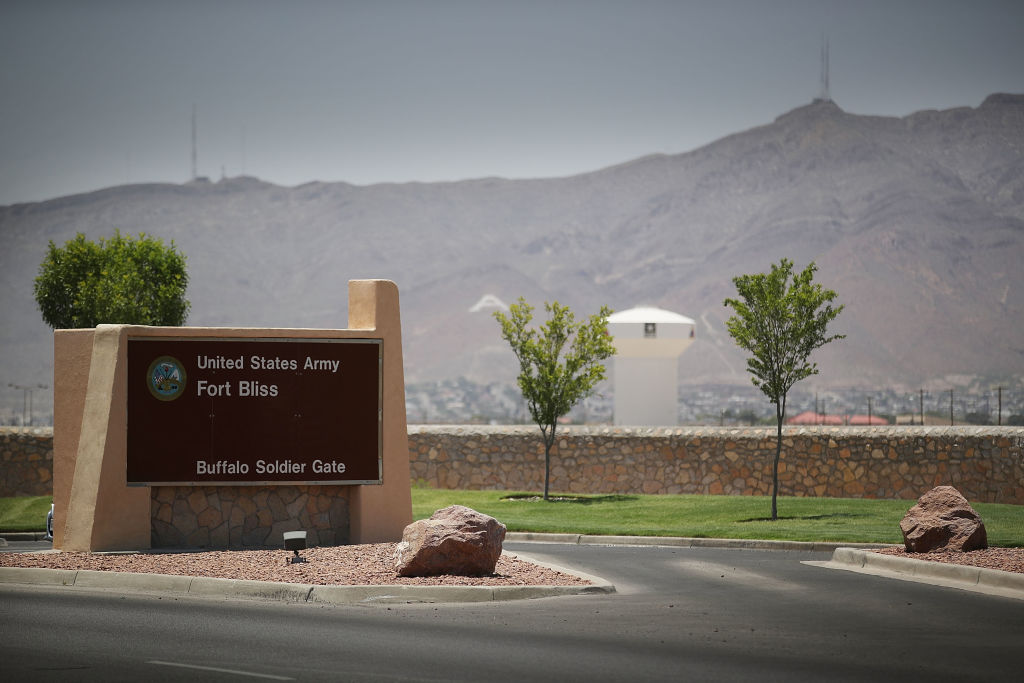
A detention center that is set to become the largest of its kind in the country has opened on a military base in El Paso, Texas. This facility, known as “Lone Star Lockup” by its supporters, marks a significant expansion in immigration enforcement efforts. The opening took place over the weekend, raising concerns about safety, costs, and transparency.
Immigration and Customs Enforcement (ICE) began detaining individuals on Sunday at the Fort Bliss facility. According to ICE, the goal is to “decompress ICE detention facilities in other regions.” The center will expand from 1,000 beds to accommodate up to 5,000 people, with an investment of more than $1 billion. Immigrants currently in removal proceedings or facing final removal orders are expected to be detained there.
ICE stated that the facility aims to “streamline and expedite removal processes,” aligning with priorities of the Trump administration. The use of military bases for immigration enforcement has been part of broader efforts to militarize these operations. For example, President Donald Trump invoked emergency powers to call in the National Guard and take control of police in Washington, D.C., despite reported declines in crime rates. Nearly half of the arrests made by the White House targeted undocumented immigrants, according to the Washington Post.
Earlier this year, the President also called in the National Guard in Los Angeles following protests against immigration raids. At least two more military bases are being considered for immigrant detainment, according to the ACLU.
Construction Challenges and Funding
The construction of the detention center faced several setbacks, including canceled contracts and concerns about improper bidding. Despite these challenges, the project continues forward. Assistant Secretary Tricia McLaughlin emphasized that under President Trump’s leadership, the focus is on cost-effective and innovative ways to carry out mass deportations of criminal illegal aliens.
ICE plans to add more than 41,000 detention beds in 2025 through partnerships with private prison contractors, reliance on military bases, and the revival of closed prisons. The agency is exploring “soft-sided” facilities that can be built and dismantled quickly. In Texas, detention facilities are expected to double in scope, housing up to 38,000 people by the end of the year.
The One Big Beautiful Bill provided historic funding for this initiative, marking the largest detention and deportation investment in U.S. history. Forty-five billion dollars were allocated for immigration detention in July, representing a 265% increase in ICE’s detention budget.
Historical Context and Community Concerns
Fort Bliss has a long history tied to immigration policy. Established after the Mexican-American War, it initially served as a border defense site. During World War Two, the base housed both foreign nationals and U.S. citizens of Japanese descent. More recently, it was used as an emergency shelter for unaccompanied migrant children during the Obama and Biden administrations.
In 2021, two federal employees filed a whistleblower complaint regarding the conditions at the center, citing mismanagement of childcare and public health concerns. Today, more than 36,000 military members live on the base, along with retirees and their families.
Opinions on using Fort Bliss for immigrant detainment have largely split along party lines. Republican Rep. Tony Gonzales praised the facility, while Senator John Cornyn addressed criticism by stating that those detained would not be “gardeners or housekeepers.” However, Democratic Rep. Veronica Escobar criticized the use of federal funds for the center, highlighting the potential community benefits if the money were spent elsewhere.
Legal and Ethical Concerns
The U.S. Department of Defense awarded a $232 million contract to Acquisition Logistics LLC for the facility, which will have a tent-style structure. Construction is expected to be completed by September 2027. Immigration officials claim the facility will include legal representation, a law library, visitation opportunities, and medical treatment.
However, immigration advocates have raised alarms about the new facility. Protestors have called for transparency and proper access to legal resources. Activists have compared the center to “Alligator Alcatraz,” a detention camp in the Florida Everglades known for inhumane conditions. The ACLU has expressed concerns about the remote location of Fort Bliss, citing limited communication with legal counsel and families, as well as restricted access to medical care.
El Paso County Commissioner Jackie Butler introduced a resolution opposing the development of the Fort Bliss migrant center, emphasizing the need for transparency and accountability. “The people of El Paso deserve transparency when a billion-dollar, taxpayer-funded facility is placed in their backyard,” she said.

Post a Comment for "The Largest U.S. Immigration Detention Center Opens: What You Need to Know"
Post a Comment