
The Order That Threatens Science
The Threat to U.S. Scientific Leadership
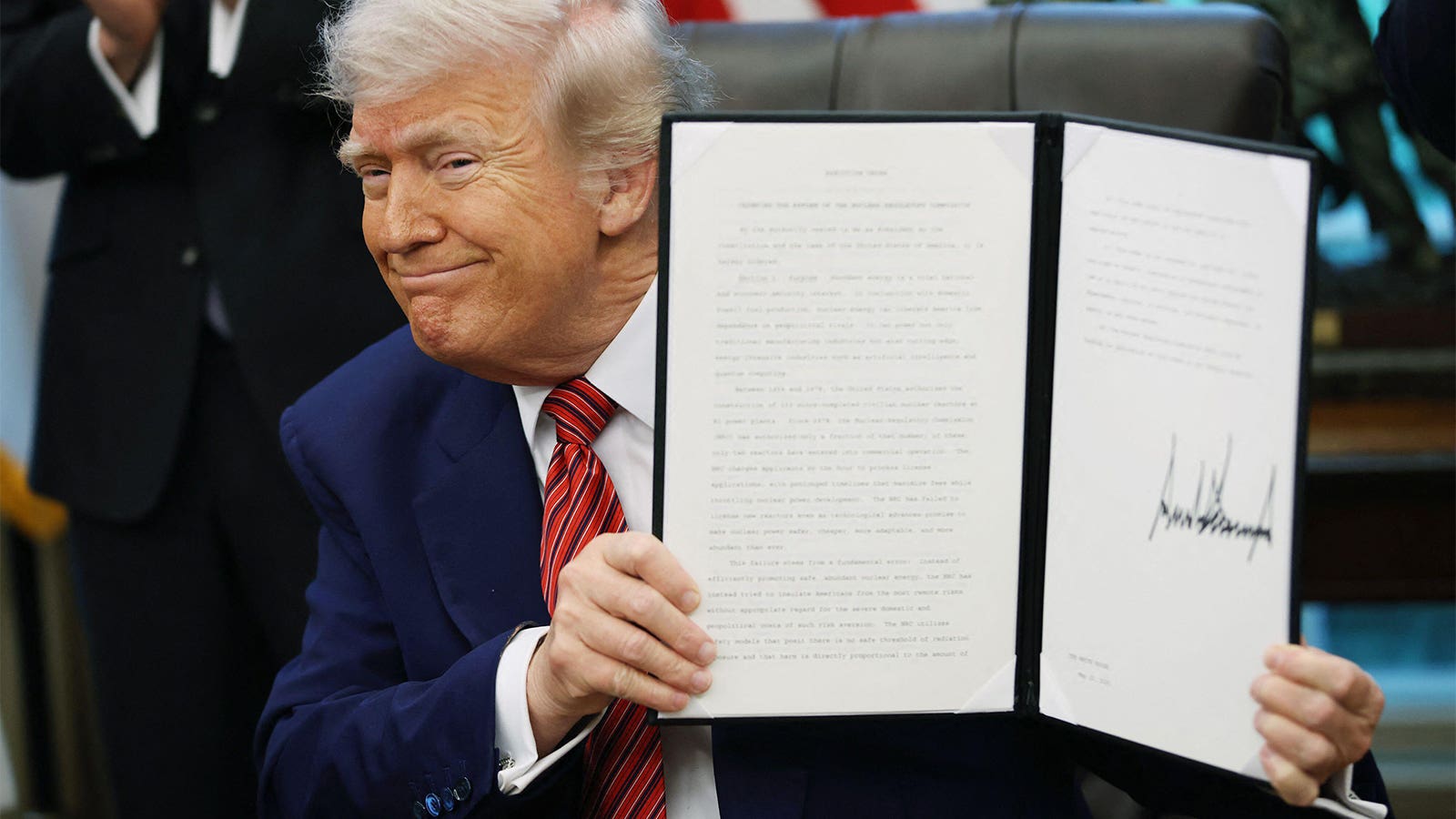
The recent developments in the United States have raised serious concerns about the future of its scientific and medical infrastructure. Just weeks after highlighting the slow erosion of this foundation, it appears that the situation is set to worsen dramatically. On August 7, President Trump signed an executive order that could fundamentally alter how federal research grants are awarded. At first glance, this change might seem like a minor procedural adjustment, but such shifts often carry significant policy implications, especially when they involve political influence.
This executive order aims to transfer the final decision-making power over federal grant approvals from scientific review boards to individuals appointed by the president. The qualifications for these positions appear to be based more on political loyalty than scientific expertise. This shift could impact funding decisions from key institutions such as the National Institutes of Health (NIH) and the Centers for Disease Control and Prevention (CDC), among others.
Science as a Political Tool
It is essential to recognize that this move is not merely about administrative changes; it is deeply rooted in politics. With the Republican Party facing a challenging midterm election cycle, there is a clear effort to solidify support from specific segments of the base, including religious groups and those skeptical of scientific consensus. This executive order serves as a direct appeal to these groups, potentially redirecting taxpayer funds toward projects that align with a particular political narrative rather than scientific merit.
Such a shift could lead to the defunding of critical research areas like HIV, climate change mitigation, and pandemic preparedness. Instead, the focus may shift toward initiatives that serve political interests, regardless of their scientific validity. This approach undermines the principles of hypothesis testing and peer-reviewed trials, replacing them with a system where scientific integrity is compromised for political gain.
The Erosion of Peer Review
Historically, the peer review process has been a cornerstone of scientific research. Independent experts evaluate proposals based on merit, feasibility, and potential impact, ensuring that public funds are allocated effectively. However, the executive order explicitly states that peer review recommendations should be considered optional, which is a dangerous precedent.
This change threatens to undermine the very mechanisms that have kept science honest and rigorous. When peer review becomes optional, the risk of propaganda and misinformation increases significantly. The long-term consequences of this shift could diminish the United States' global standing in healthcare innovation and scientific leadership.
A Global Opportunity for Others
As the U.S. faces internal challenges, other countries are closely watching. Nations like Europe, China, and even Russia see an opportunity to take the lead in biomedical research. They are poised to attract top talent, secure investment, and become hubs for next-generation innovation. This shift could have far-reaching implications for the U.S. economy and its ability to maintain a competitive edge in the global scientific community.
Scientific research is a significant economic driver, with the NIH alone generating substantial economic activity. Undermining this system could lead to job losses, reduced business opportunities, and a decline in U.S. leadership in biopharmaceutical development.
A System Designed to Fail
The potential consequences of this executive order are profound. It could replace merit-based decision-making with political loyalty and corruption. The elimination of transparency and accountability would turn grantmaking into a system of political patronage, where industry influence and campaign contributions play a significant role. This environment would pressure researchers to align with ideological agendas rather than evidence-based practices.
Moreover, this order sends a troubling message to scientists and medical professionals: their expertise and years of research are irrelevant if they do not conform to political expectations. The Government Accountability Office and federal courts have previously ruled against similar efforts to withhold NIH funding, yet this administration continues to push forward.
A Call to Action
The responsibility now falls on clinicians, scientists, healthcare leaders, and voters to voice their concerns. This executive order is not about efficiency or reform; it is about control. Allowing political appointees to dictate the future of U.S. science would make us complicit in the decline of one of our nation's greatest strengths: independent, trusted scientific innovation. It is crucial that we stand firm in defense of scientific integrity and the values that have long defined American leadership in research and healthcare.

Post a Comment for "The Order That Threatens Science"
Post a Comment