
Trump officials seek to redirect funds for wilderness purchases
Trump Administration Proposes Redirecting Land Conservation Funds for Maintenance
The Trump administration is reportedly considering a plan to redirect funds from the Land and Water Conservation Fund (LWCF) to support maintenance efforts on federal lands. According to three individuals familiar with the matter, this move would shift money from a program designed to acquire wilderness areas to cover costs associated with maintaining national parks and other public lands.
The Department of Interior is drafting an order that would take $276.1 million from the LWCF’s annual budget of $900 million and reallocate it toward a deferred maintenance program. This proposal could be announced as early as Monday, though the details remain under internal discussion. The decision reflects a broader effort by the administration to reduce spending on land acquisition while focusing on infrastructure upkeep.
The budget proposal highlights the administration’s intent to "repurpose" funds rather than expand the federal government’s land portfolio. However, critics argue that this approach violates the 1964 law that established the LWCF, which mandates that the money be used exclusively for acquiring land or easements. Congress has already set up a separate fund for maintenance, but it remains unapproved and is currently under reauthorization.
Impact on Land Acquisition and Conservation Efforts
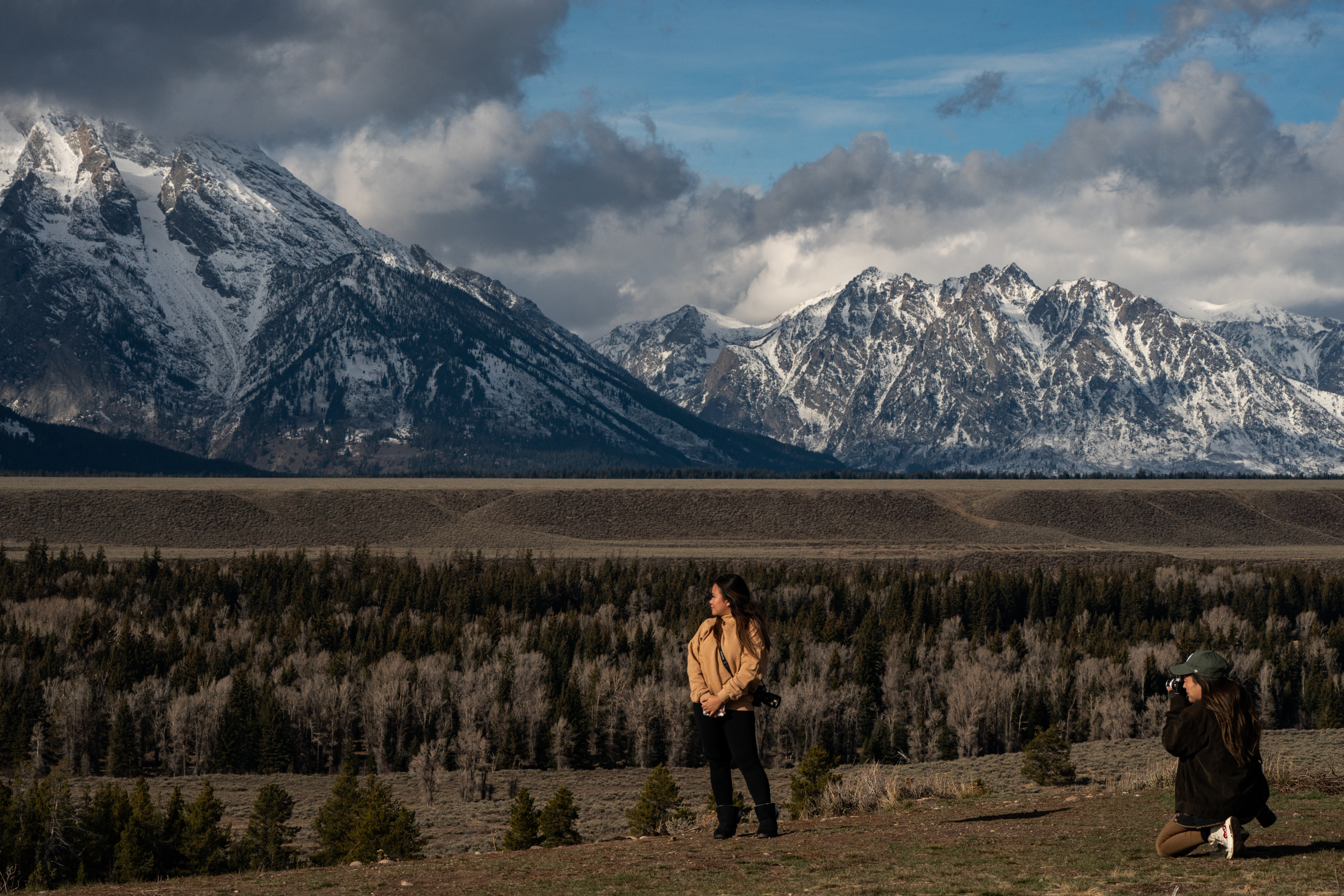
The LWCF is funded through royalties from offshore oil and gas operations, not taxpayer dollars. It has been instrumental in preserving thousands of acres of land across the country, often adjacent to or within national parks, wildlife refuges, and protected areas. For instance, the fund recently helped purchase a 640-acre plot inside Wyoming’s Grand Teton National Park, preventing it from being developed into a luxury resort.
Advocates emphasize that the LWCF supports a wide range of projects, from large-scale land purchases to smaller initiatives such as boat launches, walking paths, and access routes to public beaches and fishing sites. The fund also provides easements, which compensate property owners for not developing their land.
“This program has benefited a majority of Americans in ways they may not even realize,” said Randy Newberg, founder of Fresh Tracks, an outdoor advocacy group. “Why would we change something that has worked so well for 60 years?”
Legal and Political Challenges
Sen. Martin Heinrich (D-New Mexico) has criticized the proposed reallocation, calling it illegal. “It’s not too much to ask to follow the law,” he said. If the administration proceeds, it could face legal challenges, potentially leading to a court ruling against the move.
This effort comes amid broader controversy over the administration’s stance on public lands. A previous Republican plan to sell off federal land faced strong opposition, even among some Trump supporters. The current proposal represents another attempt to limit the expansion of federal land holdings.
In addition to the potential secretarial order, the Interior Department has also refused to provide a list of proposed land purchases for 2026 to Congress. Normally, the department shares such information for budget consideration, but this omission appears to be a strategic move to prevent new acquisitions from moving forward.
Balancing Maintenance and Conservation
While conservation advocates acknowledge the need for infrastructure improvements on public lands, they argue that maintenance funding should come from separate sources. “We’re robbing Peter to pay Paul,” said Ryan Callaghan, director of conservation for MeatEater and board chair for Backcountry Hunters & Anglers. “Money for maintenance shouldn’t be taken from the LWCF.”
Recent acquisitions supported by the LWCF include the Bureau of Land Management’s purchase of 1,150 acres along California’s coast, the National Park Service’s acquisition of nearly 1,000 acres in West Virginia, and the Fish and Wildlife Service’s securing of an easement in Montana’s Lost Trail Conservation Area. In many cases, these projects are supplemented by donations from major nonprofits.
Legacy and Future of the LWCF
The Great American Outdoors Act, signed by President Trump in 2020, guaranteed the LWCF $900 million annually without requiring congressional reauthorization. This bipartisan legislation was seen as one of Trump’s key conservation achievements.
David Willms, associate vice president for public lands at the National Wildlife Federation, praised the act as a significant milestone. “It was hugely bipartisan and something the president wanted,” he said.
Despite the administration’s recent proposals, the Senate Appropriations Committee has consistently opposed attempts to divert LWCF funds. “LWCF is the only source available for saving places that will otherwise be lost forever,” the committee stated in its rejection of the administration’s proposal.
As the debate continues, the future of the LWCF remains uncertain. Advocates stress that the program has proven to be one of the most effective tools for preserving America’s natural and cultural heritage. “You’re taking these out-of-sight, out-of-mind revenues — a tax on offshore oil and gas revenues — and you’re putting them to work,” Callaghan said.

Post a Comment for "Trump officials seek to redirect funds for wilderness purchases"
Post a Comment