
US faces tight squeeze as water demand surges
The Hidden Water Crisis in the United States
The United States is facing a growing water crisis, particularly in its southwestern regions. This issue has been brought to light by Jay Famiglietti, a Global Futures Professor at Arizona State University, who has spent years studying the nation’s water supplies. In a recent episode of The Excerpt podcast, he discussed the challenges posed by drought, over-extraction, and aging infrastructure. These factors are placing immense pressure on the country’s water resources, especially in areas where groundwater is being depleted faster than it can be replenished.
The Impact of Over-Extraction
Over-pumping groundwater is one of the most significant problems in the U.S., particularly in the Southwest. Groundwater aquifers, which took thousands of years to form, are being drained at an alarming rate. This depletion leads to several consequences, including reduced availability of water for people, agriculture, and ecosystems. It also causes land subsidence, which can damage infrastructure and reduce the capacity of underground water storage. As water tables drop, the cost of drilling deeper wells increases, making access to water more difficult for smaller farms and less affluent communities.
Urgency of the Water Crisis
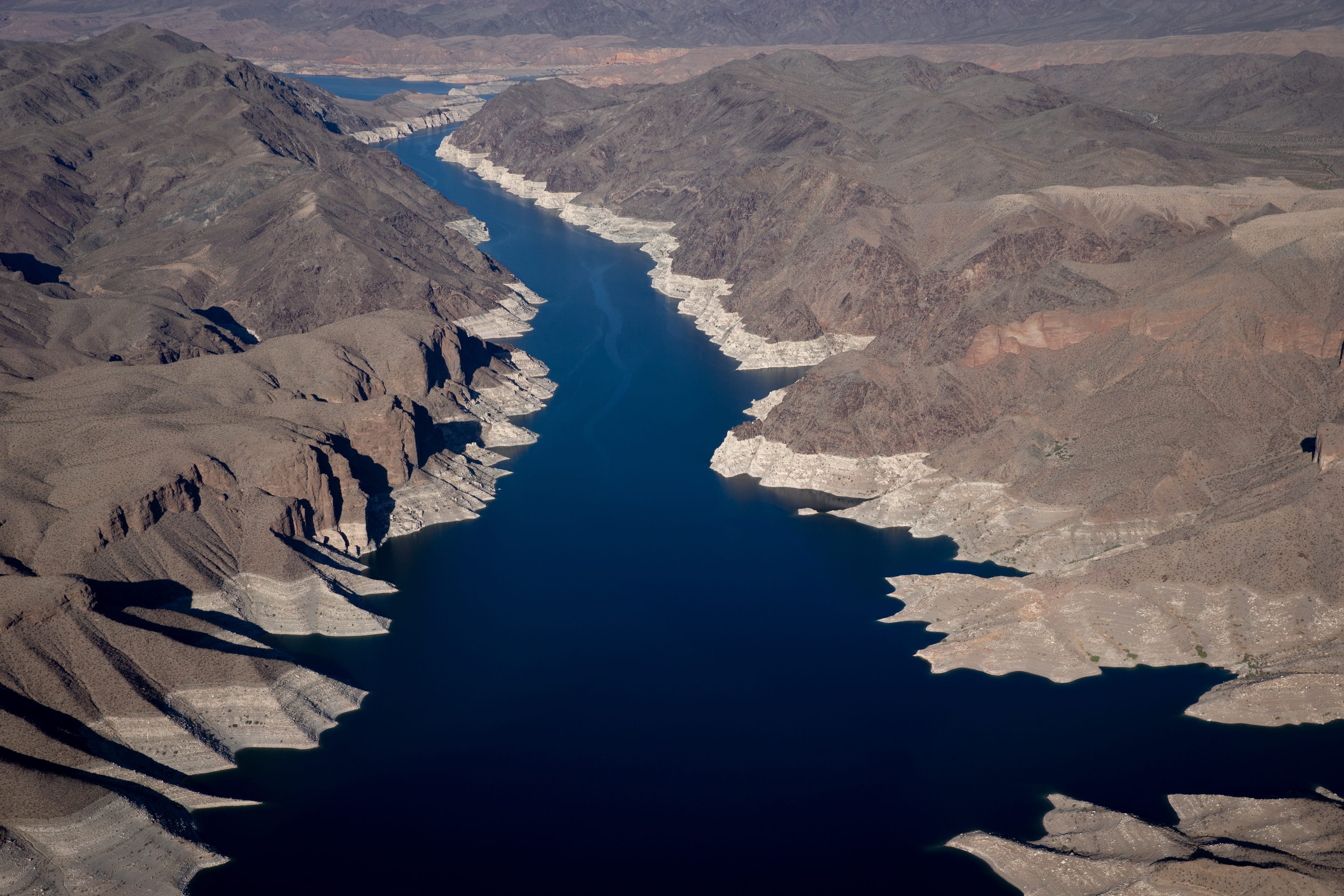
According to Famiglietti, the situation in the southwestern U.S. is urgent. The region relies heavily on groundwater, which is becoming increasingly scarce. The Colorado River, once a critical source of water, is experiencing declining flows due to prolonged drought and overuse. This decline threatens not only the region’s water supply but also its food production and economic stability. The challenge lies in finding sustainable ways to manage water resources while ensuring long-term security for future generations.
Water Sharing with Neighbors
The U.S. shares water resources with both Canada and Mexico, and these relationships are complex. While the U.S. has sufficient water overall, certain regions face shortages. Canada, for instance, has vast freshwater reserves, but concerns about water rights and usage remain. Similarly, Mexico has struggled to meet its water delivery obligations to the U.S., leading to financial losses for farmers. Addressing these issues requires collaboration, technology sharing, and improved water management practices.
The Role of AI Data Centers
Another emerging concern is the impact of artificial intelligence (AI) data centers on local water supplies. These facilities require large amounts of water for cooling and operation. While they may not consume as much water as agriculture in some regions, their presence can strain local resources, especially in areas already facing scarcity. Understanding the water footprint of these centers and exploring ways to make them more efficient is essential for sustainable growth.
Innovative Solutions for Water Security
Famiglietti highlighted several innovative approaches to increasing water availability and accessibility. Desalination, for example, has potential, especially in coastal areas. However, it comes with challenges such as high costs and environmental concerns related to brine disposal. Nuclear-powered desalination is another possibility, though public perception of nuclear energy remains a hurdle. For agriculture, which accounts for 80% of global water use, improving irrigation efficiency and crop selection can significantly reduce demand.
Regional Approaches to Water Management
Solutions must be tailored to specific regions, as water needs vary across the country. Famiglietti emphasized the importance of a portfolio of strategies, including better groundwater monitoring, policy enforcement, and the use of advanced technologies like satellite systems. These tools can help track water usage and improve decision-making for sustainable resource management.
Leadership in Water Innovation
Several regions are leading the way in addressing water challenges. Arizona, for example, has taken proactive steps to protect groundwater through strong policy measures. Israel is also recognized for its advancements in drip irrigation and desalination technologies. By learning from these examples and adopting best practices globally, the U.S. can develop more resilient water management systems.
Conclusion
The U.S. water crisis is a pressing issue that requires immediate attention and long-term planning. From managing groundwater depletion to addressing the needs of growing industries, the path forward involves innovation, cooperation, and a commitment to sustainability. With the right strategies in place, the U.S. can ensure a secure and reliable water supply for future generations.

Post a Comment for "US faces tight squeeze as water demand surges"
Post a Comment