
VA Providers Struggle to Balance Care Amid Rising Demand
The Struggle for Mental Health Care in the VA System
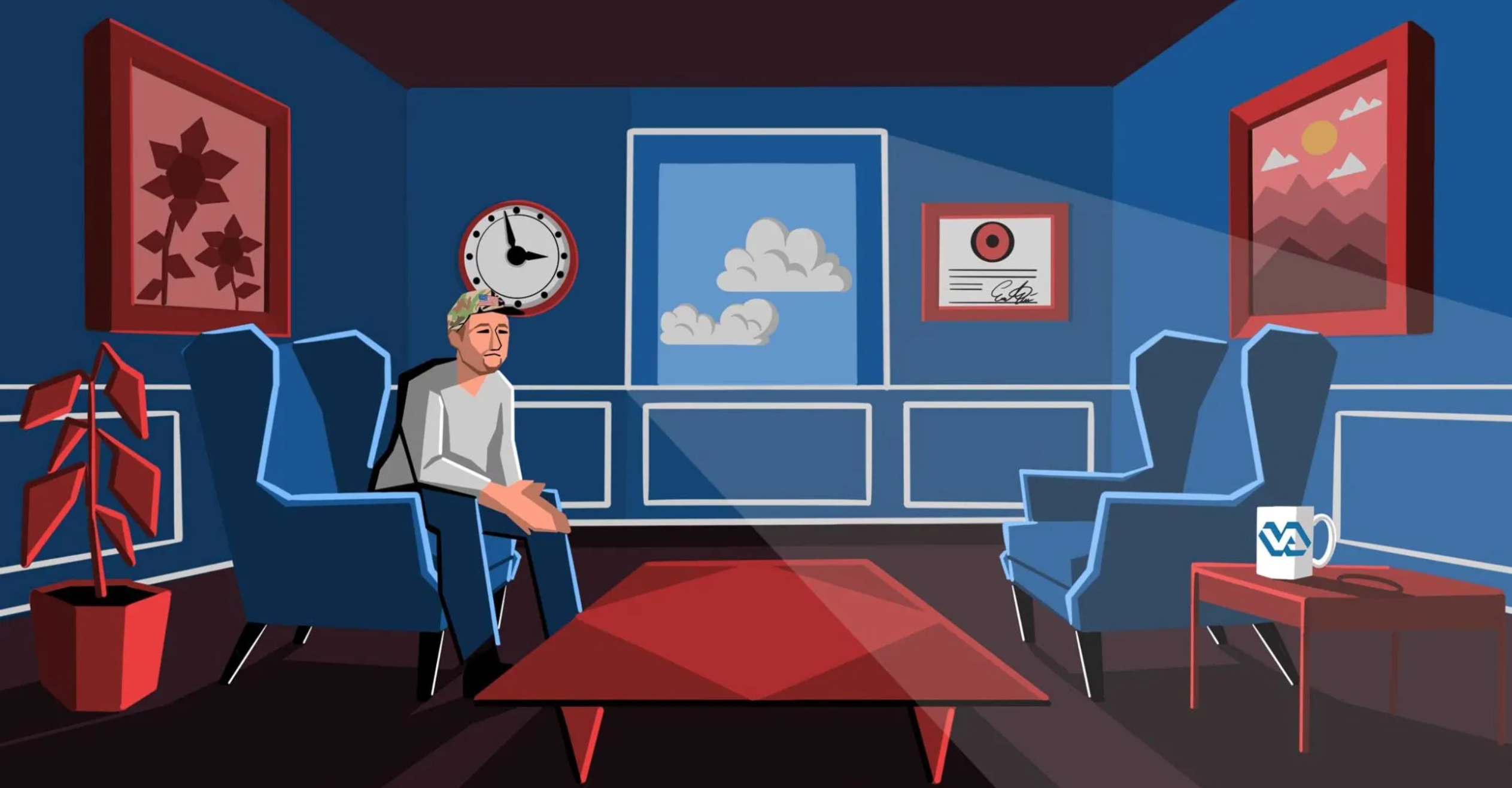
Robert H., a 49-year-old Marine veteran, had been receiving one-on-one therapy with the same VA psychologist for 10 years after a suicide attempt. This long-term treatment helped him manage his PTSD and provided a sense of stability. However, in November, he was abruptly told that his sessions would no longer be available. Instead, he was offered group therapy as an alternative.
Robert described the impact of this change: "That one hour a month of emptying that five-gallon bucket of 10 gallons of shit was just heaven-sent." He felt that the one-on-one sessions were essential to his mental health, allowing him to reset every month. When he learned that his therapist had followed a directive from management to terminate long-term care for stable patients, he was furious.
The VA spokesperson later acknowledged that it was a mistake for Robert’s psychologist to end his care and apologized. However, mental health providers across the country have reported similar experiences. According to documents reviewed by The War Horse, some providers in the Northeast have even been disciplined for seeing too many patients for too long.
Despite these claims, a VA spokesperson denied any official policy limiting mental health appointments. Susan Carter, director of media relations at VA, stated, "If the veteran still has clinical care needs, there are no limits on the number of VA appointments a veteran can have in mental health or any other areas."
However, current and former VA mental health providers say otherwise. They claim they have been instructed to stop seeing veterans for extended periods and instead transition them to group therapy, primary care, or discharge them altogether.
The Debate Over Short-Term vs. Long-Term Therapy
The debate over whether short-term therapy is sufficient for treating PTSD has sparked significant discussion among providers and veterans. While evidence shows that shorter treatments can be effective for many, some argue that it doesn’t account for individual needs.
Stephen Long, a former psychologist at the Northport VA Medical Center, said the pressure to limit one-on-one therapy is frustrating. “Most of the people who are on the ground in clinics, they see this happening, this is their lived experience,” he said.
At some VA facilities, providers have been told to discharge patients after a maximum of 24 sessions and refer them to group therapy or primary care. Others have been instructed to limit individual therapy to six sessions, spaced one every other month. For many veterans, this is not enough.
Mark Jorges, an Army veteran and mental health counselor, left the Central Texas Veterans Health Care System due to frustrations over wait times and leadership. He argued that while six sessions might work for some, the majority needed more than that. “It's kind of a wide spectrum that you're dealing with in mental health,” he said.
The Challenges of the VA System
VA faces a growing shortage of mental health professionals. According to VA workforce data, the department has lost nearly 150 psychologists in the 2025 fiscal year so far. At the same time, wait times for new mental health appointments are increasing. Nationally, it takes an average of 19 days for a new patient to get an individual mental health appointment, though this varies by region.
Russell Lemle, a senior policy analyst for the Veterans Healthcare Policy Institute, said the solution is simple: “The right answer is just to hire enough psychologists.”
Despite these challenges, research shows that short-term, evidence-based therapies like prolonged exposure therapy and cognitive processing therapy can be effective for many veterans. Alan Peterson, an Air Force veteran and psychologist, said these treatments can be completed in a few sessions if the therapist is properly trained and the patient completes all sessions.
However, Patricia Resick, the psychologist who developed cognitive processing therapy, noted that many veterans also struggle with additional issues such as substance use, depression, and eating disorders. “Even if you treat the PTSD, they may need more sessions,” she said.
A Broken System?
For veterans like Robert H., the system feels broken. His PTSD worsened when he returned to work, where the environment triggered his symptoms. He declined the offer for group therapy, saying, “You want me to be honest? You want me to rip off Band-Aids and scabs? I ain't doing it in the middle of a group.”
VA has since reached out to Robert, offering to book him with a new therapist and providing access to community care services. However, he remains uncertain about what the future holds.
“I'm not gonna say I'm surviving just fine,” he said. “It's a broken system.”
If you are a VA mental health provider or patient who would like to share your story, you can reach out to Leah Rosenbaum via email at leah.rosenbaum@thewarhorse.org or leah.rosenbaum@proton.me, or on Signal at leahrosenbaum.01.

Post a Comment for "VA Providers Struggle to Balance Care Amid Rising Demand"
Post a Comment