
Ventura's Main Street Vote Looms as Consensus Fails to Emerge
The Struggle for Main Street: A Debate Over Downtown's Future
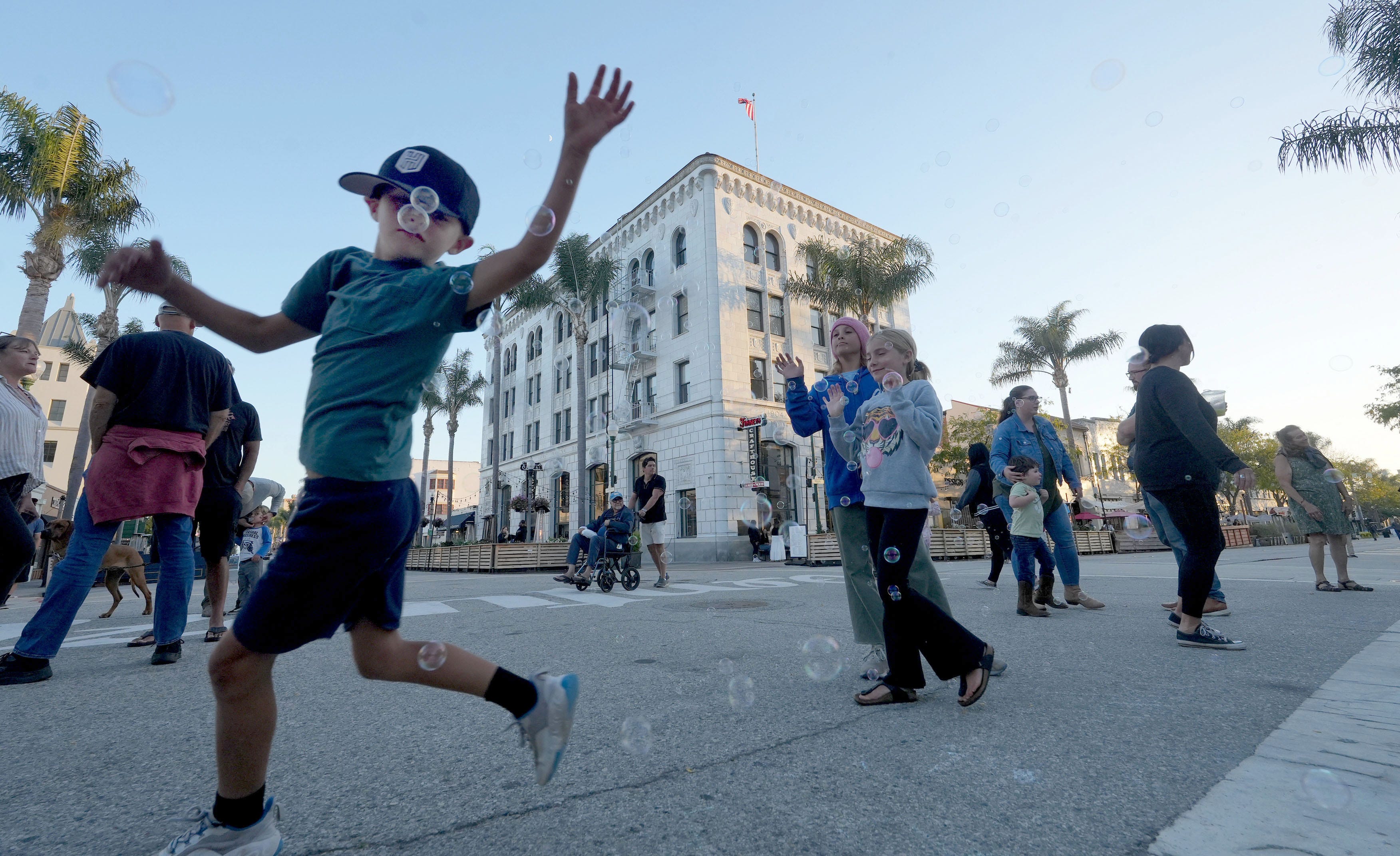
Jim Rice and his business partner opened Peirano’s, an Italian restaurant and delicatessen in downtown Ventura, in late 2019. Just a few months later, the COVID-19 pandemic hit, temporarily closing the restaurant part of the business. A couple of months after that, the city of Ventura closed five blocks of Main Street and a block of California Street to vehicles, allowing restaurants to put tables in the street. This initiative, called "Main Street Moves," was initially seen as a brilliant and necessary solution for businesses struggling during the pandemic.
At first, the outdoor dining setup helped Peirano’s and other businesses survive. However, as the years went on and the street remained closed to cars, things became increasingly difficult. Rice said that the closure eventually led to the restaurant’s closure in March. He believes that the lack of visibility and accessibility due to the street being closed played a major role in the decision. “We were doing everything right, but with the street closed, people couldn’t see us and they couldn’t get to us,” he said. “It cost me a lot of money, and it cost 30 people their jobs.”
Half a mile to the east, at the other end of Ventura’s downtown, Diana Recchio opened her Hawaiian apparel store, Aloha on Main, just weeks before the pandemic. Like Rice, she credits Main Street Moves with helping her business survive the early days of the pandemic. Unlike Rice, she also credits the closure for keeping her business afloat today. “It’s created this incredible little village,” she said. “People come with their families and kids, and they’ll spend a whole day on Main Street, go to the beach, come back here and walk and shop and eat.” She has never had a customer tell her anything negative about the closure, and some even say they won’t return to Ventura if it ends.
Cities across the country closed streets in response to the pandemic, but almost all have since reopened them. In California, only Ventura, Santa Barbara, and a handful of other cities still have downtown streets closed to vehicles. For five years, Ventura’s street closure has been the city’s most contentious political issue. Opponents have sued the city to stop it, while supporters have gathered signatures and flooded City Council meetings.
The city has conducted surveys, consulted the Ventura Chamber of Commerce, and received input from downtown property owners, but no consensus has emerged. The Ventura City Council has repeatedly voted to continue the street closure. However, on July 8, the council voted down a proposal to permanently close the street using the Pedestrian Mall Act. Under this law, the city could not proceed if more than half of the property owners objected. The objections from 49 different property owners—56% of the total—prevented the closure from becoming permanent.
Now, the city is nearing a final decision on the future of Main Street. At its meeting on Sept. 16, the City Council will either decide to make the street closure permanent or open it to vehicles starting on Nov. 3. Other options include shrinking the closure area or allowing the street to be open to vehicles most of the time but closed for special events or weekends. Outdoor dining patios would still be allowed, but they would need to be smaller and reinforced to ensure safety next to traffic.
Sales Growth and Decline: A Divided Perspective
Sales initially grew after the closure, but have dropped in recent years. Some landlords and business owners report high vacancy rates, declining sales, and concerns about crime. Others claim the street is livelier than ever, with better business performance and increased visitor numbers. According to data from the city of Ventura, taxable sales in the downtown area rose by 44% from 2020 to 2021 and another 42% from 2021 to 2022. By 2023, sales tax receipts were 85% higher than in 2019. However, growth has leveled off since then, with only a 1.6% increase in 2024.
In the parts of Main and California streets that are closed to vehicle traffic, sales have declined. Taxable sales in the Main Street Moves area dropped 6.6% from 2022 to 2023, and another 1.2% in 2024. In the first quarter of 2025, tax receipts were 7.5% lower than the previous year, while areas with open streets saw growth.
Property owners argue that the closure has not succeeded, citing declining sales tax data and increasing vacancy rates. However, the true vacancy rate in downtown is about 5%, the same as the city as a whole. While the downtown real estate market is not entirely healthy, the average time to lease a vacant property is over a year, compared to nine months for the city as a whole.
Safety and Crime: Mixed Perspectives
Police Chief David Dickey stated that the street closure has not affected downtown safety. Crime rates and calls for police service have remained low both before and after the closure. Traffic collision rates have also been historically low, with no pedestrian-vehicle accidents reported in the closure area.
Some merchants, like Mae Tingstrom of Smitten, a romance and fantasy bookstore, believe that opening the street to vehicles could improve safety. She feels unsafe walking in the area at night when bars are busy. Others, like Kaylee Skiba of Moby's on Main, believe the closure makes downtown safer for teenagers and young adults.
Martha Cantos of EcuGreen, which sells imported goods from Ecuador, has noticed a decrease in shoplifting since the closure. She believes the street closure has revitalized downtown, making customers take more time to explore stores.
Restaurants and Outdoor Dining: A Critical Factor
Sit-down restaurants with high demand for outdoor dining have unquestionably benefited from Main Street Moves. Finney’s Crafthouse, a chain with 14 locations, relies on outdoor seating for 25% to 30% of its business in Ventura. If the street reopens, this revenue could drop significantly.
Paradise Pantry, a smaller restaurant two blocks down Main Street, gets about half of its business from outdoor tables. Tina Thayer, one of the restaurant’s co-owners, said she has always wanted outdoor seating. Lure Fish House, a seafood restaurant on California Street, has one of the largest parklets, with seating for about 30 people. Outdoor dining accounts for 10% to 15% of its revenue.
Restaurants have invested heavily in parklets, with costs ranging from $50,000 to $150,000. The city has not collected permit fees comprehensively, as officials were unsure how long the program would last.
Whether or not the City Council votes to open the street back to vehicles, any remaining parklets will need to comply with new design standards set to be in place early next year.
The Future of Main Street: A Continuing Debate
Despite the challenges, many residents and business owners support keeping the street closed. Nick Deitch, an architect with RRM Design Group, said that the current setup feels temporary and half-baked. He believes the city needs to invest more in the space and create a more intentional design.
Doug Halter, a Ventura City Council member, said the city has been reluctant to invest without certainty about the closure’s future. The lawsuits and lengthy environmental impact report have slowed progress.
Efforts to bring more people downtown through events like line dancing lessons and outdoor movie nights have shown promise. Stephanie Caldwell of the Ventura Chamber of Commerce believes that giving people a reason to come downtown can lead to increased foot traffic and support for local businesses.
Sam Felt, who started a group called Venturans for People Oriented Places (VPOP), believes that Main Street should remain car-free. He sees it as a town square where people can gather, relax, and enjoy the community.
As the city prepares for its final decision on Sept. 16, the debate over Main Street’s future continues. Whether the street remains closed or reopens, the outcome will have significant implications for businesses, property owners, and the overall vibrancy of downtown Ventura.

Post a Comment for "Ventura's Main Street Vote Looms as Consensus Fails to Emerge"
Post a Comment