
Washing Hair Too Much? Experts Warn About the Risks
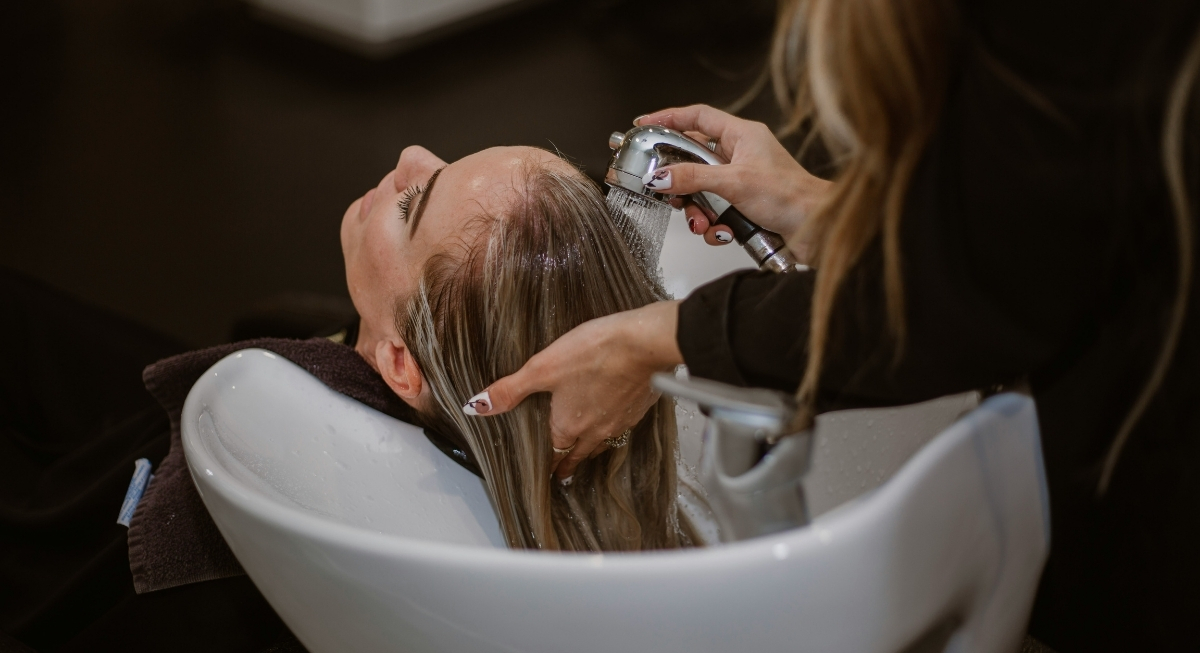
Understanding Hair Washing: A Guide for Different Hair Types
Hair washing used to be a simple routine. A bottle of shampoo, a quick lather, a rinse, and maybe a conditioner if the ends were getting wild. But over time, with the rise of dry shampoos, salon advice, and online debates, the process has become more complex. Now, washing your hair every day seems outdated, while going a week without shampoo can lead to its own set of issues. The truth is, there’s no one-size-fits-all approach. However, dermatologists, hairstylists, and scalp researchers have some key insights that can help simplify the decision.
Hair Type Actually Matters
The reason there's so much confusion about how often to wash hair is because not all hair behaves the same way. Oil travels easily down straight hair, meaning finer, straighter strands show grease quickly and may need washing more often—every day or two depending on how oily the scalp is. Curly or coiled textures don’t distribute oil as fast. The tighter the curl, the longer it takes for natural oil to reach the ends. That’s why curlier types tend to be drier and can go longer between washes.
Some dermatologists suggest that highly coiled or Afro-textured hair often benefits from less frequent washing, like once every week or two. People with chemically treated hair or heat-styled strands also fall into this category. Each shampoo session can strip moisture and speed up breakage. In those cases, spacing out washes gives the hair room to recover.
What Sweat and Weather Do to Your Schedule
If your workouts leave your scalp soaked, you might feel like you need to shampoo daily. But rinsing with water after a sweat session can be enough unless there's buildup or odor. Shampoo strips oil and debris, but too much of that can throw off the scalp’s normal function. Some dermatologists say frequent washing in humid climates or after intense workouts is fine—just focus on shampooing at the scalp and leave the ends alone. In dry areas, overwashing shows faster through brittle ends and dullness.
Seasonal changes also play a part. Winter usually means drier hair, and summer heat makes scalp oil ramp up. Adjusting frequency with the weather is responsive. The goal is to wash based on need, not habit.
Age Shifts the Oil Game
Scalp oil production changes with age. Thanks to hormone levels, teenagers and young adults have more active sebaceous glands, which means greasier roots and a quicker urge to shampoo. After middle age, oil slows down. Older adults might notice their hair gets dryer and thinner, especially after menopause. In that case, frequent washing is rarely necessary.
For kids, it depends on their activity levels. Hair that collects playground sweat and grass should probably be shampooed sooner rather than later. But for older adults, less can be better. Overwashing a drying scalp may do more harm than good.
Technique > Frequency
Washing too often is one issue, but so is washing the wrong way. Shampoo belongs on the scalp, not the ends. The ends get clean as the lather rinses through. Scrubbing the whole length with shampoo strips moisture and leaves hair frizzy. Conditioner should go on the hair itself, from mid-shaft to ends, unless the scalp is extremely dry or textured. Applying conditioner to the roots often leads to limp, greasy hair sooner than expected.
Temperature matters too. Hot water feels great, but it opens the cuticle and makes it more prone to damage. Lukewarm water keeps things balanced and doesn’t dry out your scalp. After showering, blot hair gently instead of rubbing it with a towel. Rubbing roughs up the cuticle and creates unnecessary frizz.
Colored Hair Needs a Break
Dyed hair fades faster when washed often. Color-treated strands are already fragile, and daily shampooing only speeds up fading and dryness. In between, color-safe products and nourishing conditioners make a difference. For those who also battle oiliness, dry shampoo can extend the time between washes, but again—moderation helps more than excess.
Some stylists recommend using shampoos with built-in pigments to keep color vibrant for longer. Look for formulas labeled for colored or damaged hair and avoid anything with sulfates. Weekly deep conditioning also helps balance out the extra stress colored hair goes through.
Washing Too Little Has Its Own Set of Problems
Stretching your wash schedule is fine, but skipping too long can cause scalp trouble. Oil buildup, flakes, odor, and clogged follicles might follow. Some people who go long between washes notice breakouts around their hairline, back, or chest. That’s because excess oil and product residue eventually spread past the scalp.
If you’re easing into a less frequent routine, don’t switch overnight. Scale back slowly—add an extra day between washes each week and pay attention to how your scalp reacts. It might take a few weeks for oil production to adjust.
A Few Quick Fixes Between Washes
There are ways to keep your hair manageable between wash days. Blotting papers for oily foreheads can also work around the hairline. Scalp massagers loosen dead skin and stimulate circulation. Leave-in conditioners and natural oils like jojoba or argan can add moisture back to dry ends. And if buildup becomes an issue, apple cider vinegar rinses—diluted properly—can gently clarify without harsh stripping.
Just be cautious with DIY treatments. Baking soda and beer may sound trendy, but they’re not designed for the scalp’s pH and often do more harm than good. Stick with proven products unless you’re testing with guidance from someone who knows your hair well.
So How Often Is “Too Much”?
There’s no gold standard, but most experts agree that washing daily isn’t necessary for most people. If your scalp gets oily and uncomfortable after one day, every other day might work. Weekly washing might be ideal for thicker, curlier, or drier hair. The point is to find the schedule that keeps your scalp clean and your hair feeling balanced.
Start with your texture and scalp behavior. Then factor in lifestyle, styling, and product use. Adjust from there. There’s no prize for the most shampoo sessions. Clean hair is great. Healthy hair is better. Keep it practical.

Post a Comment for "Washing Hair Too Much? Experts Warn About the Risks"
Post a Comment