
What's Infesting Your Home (And How to Eliminate Them)
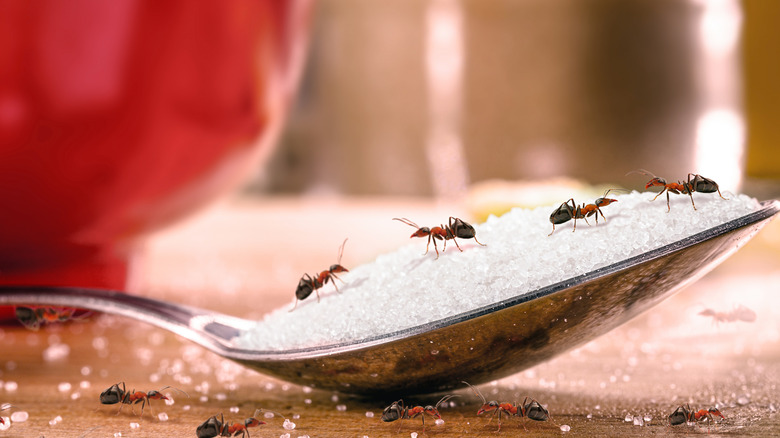
Understanding Common Household Ant Species and Effective Control Methods
Ants are among the most common household pests, and while a few stray ants in your kitchen might seem harmless, they can often signal a much larger infestation nearby. With over 12,000 recognized species worldwide, ants vary greatly in appearance, behavior, and food preferences. Some are attracted to sweets, others to protein or moisture, and their responses to insecticides also differ. This variation means that treatments effective for one type of ant may not work for another. Knowing which species has invaded your home is crucial for choosing the right strategies to keep them out.
This article will explore some of the most common household ants, how to identify them, and the best methods for eliminating them permanently.
Fire Ants
Fire ants are one of the most recognizable and feared species due to their painful stings and aggressive behavior. Unlike other ants that quietly forage, fire ants actively defend their nests. Their colonies form visible soil mounds, often in open sunny areas like lawns, fields, or along sidewalks. While they prefer outdoor environments, they may enter homes during extreme weather conditions in search of food or water.
Controlling fire ants requires more than just spraying the mound. The most effective approach recommended by experts is a two-step method: first, broadcast a slow-acting bait across the infested area so worker ants can carry it back to the colony. Then, follow up with targeted mound treatments using approved insecticides for any remaining active colonies. Consistency is key, as reapplications may be needed since fire ants are persistent and can rebuild quickly. Keeping outdoor spaces clean, mowing lawns regularly, and inspecting for new mounds can also help prevent re-infestations.
When fire ants move indoors, different measures are needed. Seal cracks, gaps, and entry points around doors and windows to block access. Wiping surfaces clean and storing food in airtight containers can reduce their numbers, as certain foods are likely to attract them to your home.
Odorous House Ants
Odorous house ants, or sugar ants, are one of the most common household pests. They get their name from the distinctive odor they release when crushed, often compared to rotten coconuts. Small in size, typically measuring 0.01 to 0.14 inches long, these ants are brown to black. They are notorious for invading kitchens and pantries in search of sweets and other food sources.
Managing odorous house ants requires the right approach. Traditional repellent insect sprays may worsen infestations by causing colony splitting, making the problem spread instead of disappear. The most effective method indoors is slow-acting ant bait. Worker ants carry the bait back to the colony, sharing it with the queen and nestmates. However, patience is necessary, as it can take up to two weeks to achieve noticeable results.
Outdoors, prevention is key. Keep your yard clean by removing organic debris, trimming vegetation back from the house, and regularly inspecting for ant trails that lead toward your home. Eliminating moisture sources, such as fixing leaks, unclogging gutters, and improving drainage, also makes your home less attractive to them.
Carpenter Ants
Carpenter ants are among the largest and most easily identifiable ants homeowners encounter, ranging from 0.25 to 0.5 inches in length. They are usually black, though some species may appear reddish or a combination of both. Unlike termites, carpenter ants do not eat wood for nutrition. Instead, they bore into damp, decaying, or untreated wood to create smooth tunnels and chambers where they establish nests and lay eggs.
Getting rid of carpenter ants starts with locating and eliminating their nest. Unlike some smaller ant species, spraying foragers is ineffective if the colony remains hidden in the wood. In this case, the problem will continue. Professional-grade baits and insecticides applied directly to the nest are the most effective treatments. To reduce the likelihood of infestation, address the underlying conditions that attract them. Eliminate sources of moisture by fixing leaks, improving ventilation, and replacing water-damaged wood.
Pavement Ants
Pavement ants are one of the most common ant species found around homes and commercial areas. They typically nest in soil beneath sidewalks, driveways, patios, and building foundations, pushing up small mounds of soil near cracks in pavement or concrete. Indoors, they forage for protein-rich or sugary foods, while outdoors they will trail toward pet food dishes, garbage areas, and dead insects.
Controlling pavement ants requires targeting both their food sources and their colonies by killing their queen. The most effective long-term strategy is to locate and eliminate nests, which may be hidden under concrete slabs, stones, or floorboards. Indoors, maintaining a clean environment is critical. Wipe up food spills immediately, take out trash regularly, and store food in sealed containers. Baits are often more effective than sprays for pavement ants, as the workers carry the bait back to the nest to share with the colony.
Pyramid Ants
Pyramid ants are a lesser-known species that typically do more good than harm. They get their name from the distinct pyramid-like projection on the top of their thorax, giving them a triangular head shape. Outdoors, they build volcano-shaped soil mounds with a small opening at the top, often scattered across sunny, dry lawns or fields. Unlike many nuisance ants, pyramid ants are considered beneficial because they prey on other insects, including fire ants and various pests that damage lawns and gardens.
Because pyramid ants play a positive role in controlling harmful insect populations, if they begin invading indoors, the first line of defense is sealing off entry points around windows, doors, and foundation cracks. Outside, bait methods can sometimes help manage them. However, a growing pyramid ant population in your yard may also be a sign of concerning underlying issues, such as the presence of more ants nearby that the pyramid ants are relying on for food.
Argentine Ants
Argentine ants are among the most frustrating ant species homeowners encounter. Unlike fire ants, they don’t sting, but their nuisance level comes from the sheer size of their colonies and their relentless invasion of homes in search of food and water. Identifying them is relatively easy, as they tend to travel in well-organized trails that connect their nests to food sources. Unlike many ant species that form individual colonies, Argentine ants establish supercolonies, with multiple queens producing vast populations that can quickly overrun an area.
Controlling Argentine ants requires more than just spraying over visible trails. Contact insecticides can make the problem worse by scattering the colony and encouraging budding, where new queens break away and form additional nests. The most effective approach is baiting. Protein or sugar-based ant baits are carried back to the nest and shared among colony members, eventually reaching the queens and reducing the population.
Pharaoh Ants
Pharaoh ants are one of the most challenging ant species to control indoors. Originally from the Afrotropical region, these ants thrive in warm, humid environments and have adapted especially well to indoor living. They are small and range in color from yellow to light brown with darker abdomens. Their size makes them difficult to detect at first, but infestations can escalate quickly since pharaoh ants form large colonies with multiple queens.
Controlling pharaoh ants requires a strategic approach. Standard contact insecticides, sprays, or repellents like RAID often backfire, causing colonies to bud. Budding occurs when stressed colonies split into multiple smaller colonies, each led by its own queen, making the infestation even worse. For this reason, slow-acting, non-repellent insecticides and baiting are the most effective control methods. Baits are especially important, because worker ants carry the toxic food back to the nest, feeding the queens and larvae, which ensures the entire colony is affected.
Ghost Ants
Ghost ants are small, elusive insects that can be even harder to control. Originally from tropical regions, they thrive in warm and humid environments, making them common in greenhouses, conservatories, and heated buildings in cooler climates. They are extremely tiny and are easily distinguished by their unique coloration, which is a dark head and thorax paired with a pale, almost translucent abdomen and legs. This pale appearance is what earned them the name ghost ants, since their abdomens often seem to disappear against light surfaces.
Getting rid of ghost ants begins with eliminating harborage sites, clutter, excess moisture, and decaying organic matter where they can hide and nest. Since they are especially attracted to sweets, targeted baiting with sugar-based baits is the most successful treatment method. Worker ants carry the bait back to the colony, distributing it to the queens and larvae, which ensures the entire nest is impacted.
Tawny Crazy Ants
Tawny crazy ants are an invasive species notorious for their erratic, frantic movement patterns. They nest under leaf litter, rocks, mulch, logs, and within moist soil. Their colonies are extremely dense and can grow to massive numbers, often displacing native ants and even outcompeting fire ants. Their behavior is what gives them their name, as workers move quickly and seemingly without direction, creating the impression of a crazy swarm.
Controlling tawny crazy ants requires persistence and strategy. Repellent sprays are ineffective and may worsen the problem, as they drive the ants to scatter and form new colonies. Instead, slow-acting, non-repellent insecticides should be applied so that foragers unknowingly carry the poison back to their colonies. Early baiting is essential, as mature colonies are harder to eliminate.
Thief Ants
Thief ants, also known as grease ants, are among the smallest household ants, often measuring 1/16 of an inch long. Their tiny size allows them to move through cracks, electrical outlets, and wall voids with ease, making infestations difficult to detect and control. True to their name, thief ants are notorious for raiding the nests of other ants, stealing food, eggs, and larvae to feed their colonies.
Controlling thief ants requires patience, as their trails can be extremely difficult to spot. However, because thief ants often build multiple hidden nests, complete elimination usually requires targeted baiting. Slow-acting baits are the most effective option, as fast-acting sprays or repellents will only kill a few workers without reaching the colony. Protein- or grease-based baits are beneficial, since they align with the ants' natural food preferences.
)
Post a Comment for "What's Infesting Your Home (And How to Eliminate Them)"
Post a Comment