
Why Aren't People Recycling Common Toothpaste Tubes?
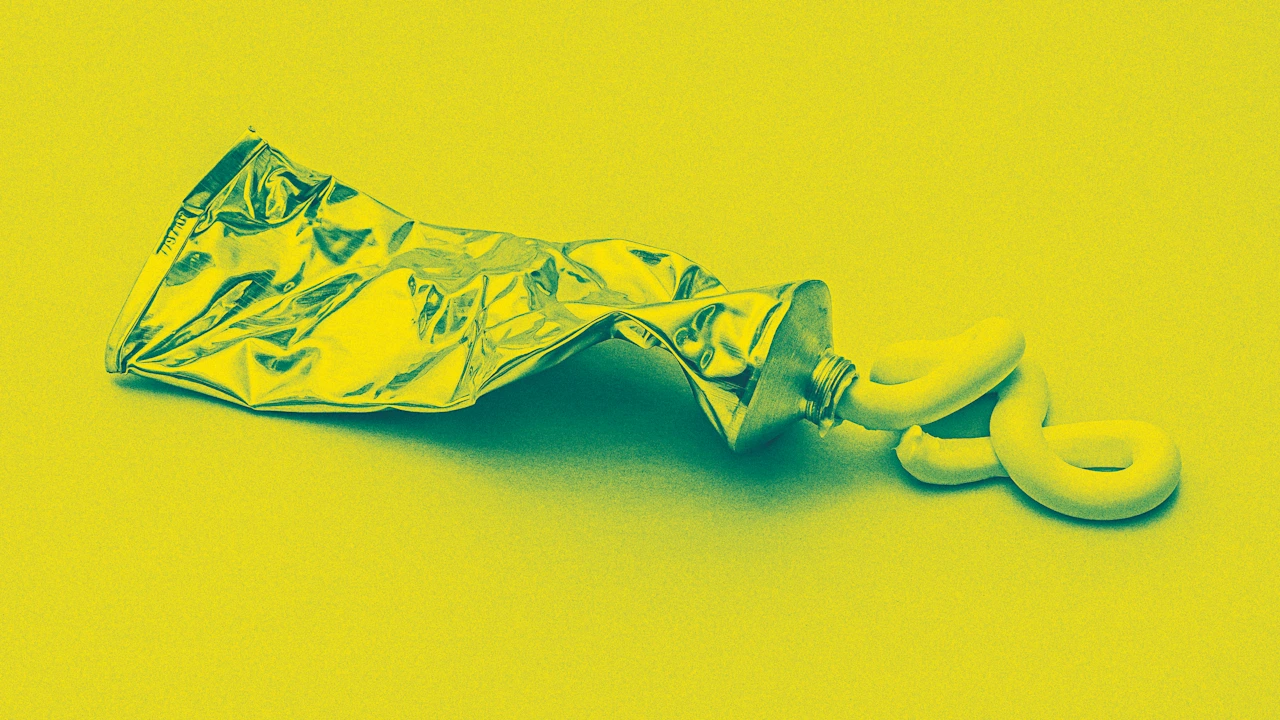
The Evolution of Recyclable Toothpaste Tubes
When you finish using a tube of toothpaste, you might just toss it in the trash. However, many people aren't aware that most toothpaste tubes are now recyclable, at least in theory. Colgate has been at the forefront of this change, spending five years redesigning its packaging to be easily recyclable and rolling out the new design across its products in 2022. They even open-sourced their project so other companies could adopt the same approach. Now, at least 95% of all toothpaste tubes sold in the U.S. use this design.
Ann Tracy, chief sustainability officer at Colgate-Palmolive, said, “We’re proud of the role we’ve played in transforming plastic tubes into a recyclable format.” Despite these advancements, recycling companies are still catching up, and many cities haven’t updated residents on whether these tubes can be recycled. A current lawsuit argues that the tubes shouldn’t be labeled as "recyclable" because so many cities don’t officially accept them yet.
This is a common challenge for companies working on sustainable packaging: the hardest part isn’t always the design but getting both recyclers and consumers on board.
The Innovation Behind the Design
Until recently, toothpaste packaging was made with multiple materials, including a layer of aluminum in between plastic. This mix of materials made recycling difficult, similar to challenges faced by other products like sneakers. Colgate started looking for a solution over a decade ago.
The old design preserved flavor and ingredients like fluoride, and the new tubes needed to perform the same way. They also needed to use a material that was widely accepted for recycling and compatible with existing manufacturing equipment. Colgate’s engineering team turned to high-density polyethylene (HDPE), the same material used to make milk jugs.
However, basic HDPE wasn’t squeezable enough or compatible with the current manufacturing process, so they spent years developing a new design with multiple layers of the material. Colgate then shared the design with competitors, realizing that for the tubes to be accepted for recycling, they needed to become universal. Other major consumer packaged goods companies, like Procter & Gamble, made the switch. Even completely different products that use the same type of tubes, like some kinds of shampoo, started using the design.
“There really has been a wholesale movement into recyclable [tubes] in the last couple of years,” says Tonya Randell from the sustainability consultancy Stina, which has been working with Colgate on the project.
How the Tubes Can Be Recycled
The tubes are designed to be compatible with commonly used recycling infrastructure. After a garbage truck hauls off your neighborhood’s recycling, it ends up at a materials recovery facility (MRF). These facilities use machines called optical sorters to identify materials. As trash moves down a conveyor belt, near-infrared light shines on it and can tell if it’s made from paper, PET, HDPE, or something else. Then a puff of air blows each item down a different conveyor belt, depending on the material.
Multiple MRFs told me that optical sorters could easily identify the new HDPE tubes. In some cases, consumers are already putting them into recycling bins even when their cities don’t officially allow it. The tubes that make it through MRFs are sent to the next step in the recycling process.
Some facilities also use AI to help with sorting. Glacier, a fast-growing startup, uses cameras and AI to identify different recyclables by sight. The company also sells a robot that can help sort materials. This tech can either be used on its own or in combination with optical sorting equipment to help recycle even more materials. In a pilot with Colgate, one MRF in California is using Glacier’s tech to track how many tubes are being recycled.
“We want to have better and better data that’s helping us to understand what’s really happening in our system, and how well we’re doing at identifying and then ultimately recovering the materials that are going through our stream,” says Kish Rajan, CEO of Mt. Diablo Resource Recovery.
The Messaging Gap
Though many MRFs are already sorting and recycling tubes that come into their system, the cities they work with may not be telling residents. Some cities, like New York, still specifically say that tubes should go in the trash. Others post lists of recyclable items that show various types of plastic, but leave out tubes.
One recycling company told me that it has little control over what cities say; though the MRF can tell the city what it’s capable of doing, the city ultimately decides whether to communicate that. The company, which works in multiple cities, said that governments tend to err on the side of simplicity and not making frequent changes so that people don’t get confused. But that means some recyclable items get left out.
Other cities don’t have the resources to communicate more. “If you know anything about recycling budgets, a lot of midsize and smaller communities just don’t have a lot of money for outreach,” Randell says. “They maybe only print something every couple of years. They maybe only update the website as the webmaster for their county or city has time, not in real time. So even though their MRF may be able to take tubes, for example, and be willing to accept them, that information may not go out to the public for months or years because of the ability to actually leverage education.”
What’s Recyclable?
Right now, consumers who want to recycle toothpaste tubes are in a tricky spot: If your community doesn’t explicitly say the packaging is recyclable, you may have to wait. And critics argue that packaging can’t be called “recyclable” if consumers don’t have easy access to recycling.
The U.S. Federal Trade Commission’s Green Guides say that recycling claims can’t be based on theoretical recyclability, but whether the majority of people can recycle a product in the place where it’s being sold. (Colgate’s tubes include recycling instructions, but also say, “Your community may not yet accept tubes for recycling,” and tell people to check locally.)
Other redesigned packaging faces similar challenges. Kraft redesigned ketchup bottles to make the caps recyclable, but caps are still often rejected in recycling programs. Unilever switched to a single material for some deodorant sticks to make the packaging recyclable, but they also may not make it through the system. Seventh Generation switched to a paperboard bottle for laundry detergent, but the complicated design—with a pouch inside—means that it often isn’t recycled correctly.
Then there’s the bigger challenge of low recycling rates: Even when something can easily be recycled anywhere, like a plastic water bottle, it often isn’t. (PET water bottles had a dismal 33% recycling rate in the U.S. in the most recent data.) Some consumers are skeptical about recycling—and make the problem worse by not participating. There’s an unhelpful narrative that recycling doesn’t work at all, even when MRFs are investing in sophisticated equipment and getting valuable materials out. For something like a toothpaste tube, even if a city tells residents it’s recyclable, many may still assume that it isn’t.
When communication is a problem, a simple recycling message on the package seems like an obvious part of the solution. But when a company is sued over that labeling, and accused of greenwashing, it’s not clear how that’s really helping advance sustainability at all.

Post a Comment for "Why Aren't People Recycling Common Toothpaste Tubes?"
Post a Comment