
William's Crown Strategy: Save Money and Outsmart Charles
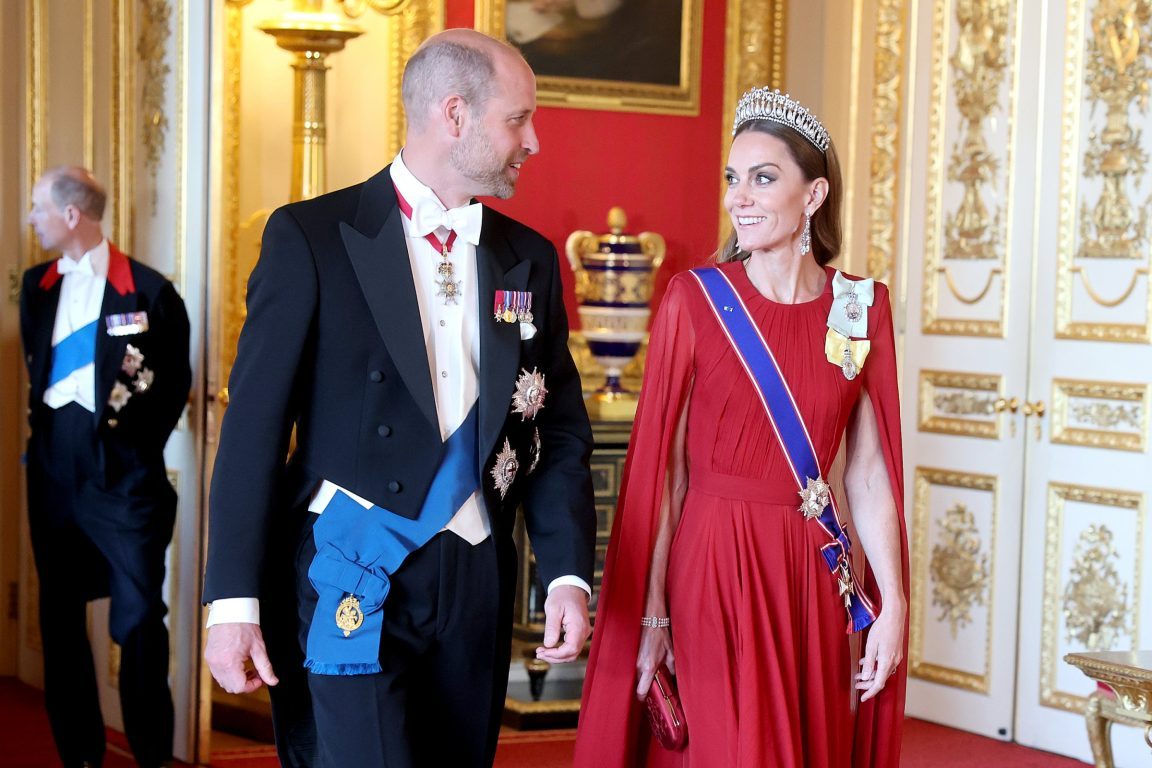
A New Era for the Royal Family
The new eight-bedroom home of the Prince and Princess of Wales, Forest Lodge, offers stunning views of Windsor Castle and provides a glimpse into the future of the British monarchy under King William V. This Grade II listed, three-storey red-brick mansion, built in 1780, is located in a quiet corner of Windsor Great Park. From its top floor, William and Kate will have a panoramic view of the oldest and largest occupied castle in the world, which has been home to 40 monarchs since its construction began in 1070 under William the Conqueror.
However, this new residence marks a significant departure from tradition. Unlike previous generations, William and Kate will not live at the castle or any other royal palace once William becomes king. Their decision reflects a desire to create a more normal family home, offering a refuge from the constant scrutiny that has characterized the lives of monarchs for centuries.
A Slimmed-Down Monarchy
Under King William’s reign, the number of working members of the royal family is expected to decrease significantly. It is anticipated that only five or six royals will remain active, compared to the current number and a third of the total during Queen Elizabeth II's reign. This shift signals a more streamlined approach, with less reliance on extended family members to assist in official duties.
One royal source noted, “William won’t have cousins helping him like the Queen did. So he’ll have to work smarter.” This means a greater focus on short-term campaigns and events that bring various charities together, rather than each member of the royal family representing hundreds of voluntary organizations.
Evolving Roles Within the Royal Family
Princess Anne, who recently celebrated her 75th birthday, has indicated she is prepared to continue her role. Similarly, Edward and Sophie are expected to play an increasingly prominent part in this new era. However, their children will not be included on the taxpayer-funded payroll.
Prince George, the 12-year-old future king, may eventually take on royal duties, possibly after serving in the Armed Forces. However, it remains unclear whether his siblings, Princess Charlotte and Prince Louis, will pursue careers outside the royal family or become working royals supporting the family. One former senior aide said, “William and Catherine are modern parents. They may have their thoughts, but I think they’ll wait to see what the children want to do.”
No Place for Archie and Lilibet
If Prince Harry and Meghan had remained in the UK, their children would have had a prominent role in the monarchy. However, the chances of Prince Archie and Princess Lilibet representing the British monarchy in the future are considered negligible. Even if their parents had stayed, their role would likely have been minimal.
King William’s reign is expected to embrace the traditional pomp and ceremony associated with the monarchy, but it will also reflect a more informal and modest style, similar to European monarchies. These "bicycling monarchies" have gained popularity among Britons, even though they were once seen as less grand.
A More Informal Approach
William, like his brother Prince Harry, has always preferred a less formal approach to official engagements. He is not a fan of line-ups of dignitaries at every event and has distanced himself from Lord Lieutenants, whose expenses cost taxpayers around £1.5 million annually.
In 2016, William suggested he would be less political than his father and more like his grandmother, Queen Elizabeth. Since then, he and Kate have focused on a smaller number of campaigns, such as ending homelessness, combating climate change, and giving children a better start in life. This approach is expected to continue under William’s reign.
Financial Implications
A smaller number of working royals and fewer engagements could lead to a reduction in staff. The couple currently employs 68 people, which is about half the number who worked for Charles at his peak as Prince of Wales. This could result in real-terms savings for the taxpayer, although the exact amount remains to be seen.
The Palace, already sensitive to criticism about the cost of the monarchy, is aware of the need to save money. The current cost of the monarchy is £132 million directly from the taxpayer in the Sovereign Grant, rising to an estimated £500 million when security and other funding sources are included.
Impact on Tourism
Some worry that tourism to the UK could suffer without the monarch living at Buckingham Palace, Windsor Castle, or other residences. However, Bernard Donoghue, director of the Association of Leading Visitor Attractions, believes that major events such as investitures, state visits, and garden parties will still take place at these locations, ensuring continued interest from visitors.
Charles, who is reluctant to move into Buckingham Palace when its £369 million refurbishment is completed in 2027, already uses Birkhall instead of Balmoral Castle in Scotland. Although he stays at Windsor Castle, he prefers his Highgrove home in Gloucestershire.
As the transition to William’s reign approaches, the mood from the King’s office remains upbeat, signaling a new chapter for the British monarchy.

Post a Comment for "William's Crown Strategy: Save Money and Outsmart Charles"
Post a Comment