
$1 Billion Lost to "Check Washing" – How to Spot the Threat and Stay Safe
Understanding the Resurgence of Check Washing Fraud
Despite the rise of digital transactions, check fraud is making a surprising comeback. Criminals are targeting paper checks as a vulnerable point in the financial system, leading to significant losses for individuals and businesses alike. According to the U.S. Postal Inspection Service (USPIS), "check washing" is causing substantial financial damage to Americans, with over $1 billion in fraudulent checks and money orders intercepted annually.
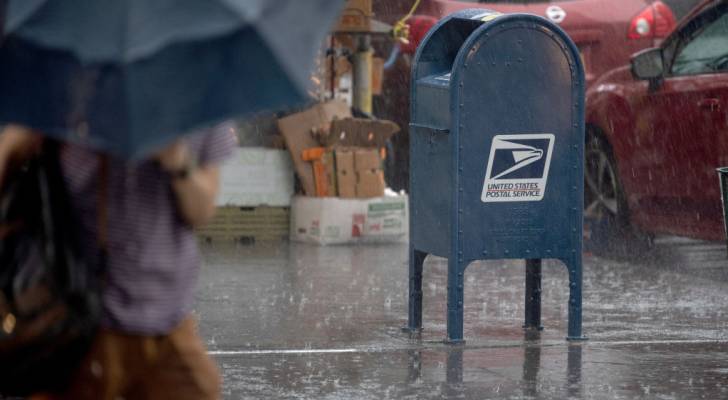
This method involves stealing checks from mailboxes and using household chemicals to erase the original information. Thieves then alter the payee name and amount before cashing the check under assumed identities. This scheme, which has been around for decades, has seen a dramatic increase since 2021, with check fraud cases nearly doubling according to the FBI's Internet Crime Complaint Center.
How Check Washing Works
Check washing is a sophisticated form of fraud that exploits the physical nature of paper checks. Criminals use common items like nail polish remover or rubbing alcohol to remove ink, allowing them to rewrite details on the check. Once altered, the check can be deposited into a bank account, often under a false identity. This process is surprisingly simple and effective, making it an attractive option for fraudsters.
Criminal organizations have been identified selling stolen checks on digital platforms and recruiting individuals known as "money mules" to deposit falsified checks into fraudulent accounts. In recent years, these stolen checks have also started being traded on dark web marketplaces in exchange for cryptocurrency, further complicating efforts to track and prevent such crimes.
Real-World Examples of Check Washing
Several real-life cases highlight the devastating impact of check washing. For example, Carol Perlman mailed a $656 check, only for criminals to alter it to $9,000. Although her bank eventually refunded the money, they did so only after local media covered her story. Similarly, Matt Schick became a victim when someone intercepted and cashed a $7,500 check he had deposited in a street mailbox.
Another case involved an entrepreneur who discovered that his $310,000 IRS payment never arrived. Thieves had chemically "washed" the check, replacing "IRS" with another name before depositing it. He was forced to pay his taxes again, including penalties and interest, while still fighting with his bank to recover the stolen funds.
These examples demonstrate the challenges victims face in recovering their money, with many enduring months of waiting and uncertainty.
How to Protect Yourself from Check Washing
Although digital payments are becoming more popular, checks remain necessary in certain situations. If you still use checks, consider these protective measures:
- Avoid outdoor mailboxes: When sending important documents, use a post office for mailing rather than a standard mailbox.
- Check your mail regularly: Utilize the USPS hold-mail service when you'll be away from home for extended periods to avoid mail accumulation.
- Write smarter: Use gel or rollerball pens with permanent blue or black ink, as this makes alteration more difficult. Ensure you complete each field thoroughly, leaving no blank spaces.
- Cover it up: Use security envelopes when sending checks. These specially designed envelopes feature patterns that prevent contents from being visible through the paper.
- Go digital: Utilize digital payment options like bank bill-pay systems or mobile apps instead of sending paper checks through mail.
- Keep an eye on accounts: Regularly check your accounts and set up transaction alerts to catch fraud early.
- Act fast: Contact your bank, local police, and the USPIS immediately if you're a victim.
The Ongoing Threat of Check Washing
Check washing might seem like an outdated scam, but this fraud scheme continues to drain billions of dollars from unsuspecting victims, even in our digital era. This sophisticated con can catch even the most careful consumers by surprise. By remaining alert and opting for more secure payment alternatives when available, you can protect yourself from significant financial losses and avoid becoming another statistic.
Additional Tips for Financial Security
In addition to protecting against check washing, there are other steps you can take to safeguard your finances:
- Stay informed: Keep up-to-date with the latest trends and threats in financial fraud.
- Use secure payment methods: Opt for digital transactions whenever possible to reduce the risk of theft.
- Monitor your credit: Regularly check your credit reports for any unauthorized activity.
- Secure your personal information: Be cautious about sharing sensitive data and use strong passwords for online accounts.
By taking these precautions, you can significantly reduce your risk of falling victim to check washing and other forms of financial fraud. Stay vigilant and proactive in protecting your financial well-being.

Post a Comment for "$1 Billion Lost to "Check Washing" – How to Spot the Threat and Stay Safe"
Post a Comment