
16 Cleaning Myths Harming Your Efficiency
Common Cleaning Myths That Are Holding You Back
Keeping your home clean is essential for maintaining a healthy living environment, but many people rely on outdated or unverified cleaning methods that might not be effective. Whether it's a trick passed down through generations or something you saw online, some of these methods could be doing more harm than good. Some cleaning hacks may work to an extent, but there are often better and more affordable alternatives available. There are numerous myths surrounding the effectiveness of combining different substances or using unconventional items to tackle dirt. In fact, some online hacks can be dangerous, like mixing toilet cleaners, which can produce harmful gases.
Common household cleaners, including natural ones like vinegar, are still chemicals. This means it’s important to use them safely and ensure they don’t damage surfaces or pose a risk to your health. Always read labels and follow instructions to get the best results from your cleaning products. By avoiding old cleaning myths, you can keep your home sparkling and reduce the spread of germs.
Baking Soda and Vinegar: Not as Powerful as They Seem
One of the most popular cleaning combinations is baking soda and vinegar. Many people believe this mixture creates a powerful cleaner that can handle any task. However, this isn't entirely true. Baking soda is a weak base with a pH around 8 or 9, while vinegar is an acid with a pH of 2.4. When combined, they create a chemical reaction that produces carbon dioxide gas, salt (sodium acetate), and water. While the bubbling effect can sometimes remove dirt, the resulting product isn’t a strong cleaner. The acidic vinegar and basic baking soda essentially cancel each other out, leaving behind sodium acetate, which isn't very effective for cleaning.
Instead of mixing baking soda and vinegar, try using them individually for the best results. For example, baking soda can be used as a gentle abrasive, while vinegar is great for dissolving grime and disinfecting surfaces.
Hairspray Isn’t the Best Solution for Ink Stains
Hairspray is sometimes recommended for removing ink stains from clothing because it contains alcohol. However, modern hairsprays may have less alcohol or none at all, making them less effective. Additionally, hairspray contains other ingredients that could potentially stain fabric or make the existing stain worse. Instead of using hairspray, consider using rubbing alcohol or denatured alcohol, which are more effective and less expensive options.
To treat an ink stain, blot the area with alcohol from the back of the garment, moving inward over the stain. Replace the cloth as needed to avoid smearing the ink.
Disinfectants Need Time to Work
Many people assume that wiping a surface with a disinfectant wipe will immediately kill germs. However, disinfectants need a certain amount of contact time to be effective. Always check the label for the recommended contact time and follow the instructions carefully. Clean the surface first to remove any dirt or debris, then apply the disinfectant and wait for the specified time before wiping it off. If the disinfectant starts to dry before the contact time has passed, reapply it to ensure it works properly.
Cleaning Doesn’t Equal Disinfecting
Cleaning your home removes visible dirt and dust, but it doesn’t necessarily kill germs. To fully protect your family from illness, it’s important to sanitize or disinfect surfaces after cleaning. Use disinfecting wipes, a bleach solution, or alcohol to eliminate bacteria and viruses. Be sure to read the instructions for any disinfecting product and rinse surfaces that come into contact with food after disinfecting.
Newspaper Isn’t the Best Option for Glass
The idea that newspaper leaves glass streak-free is a long-standing myth. While newspaper was once thought to be effective due to its slight abrasiveness, it can actually leave ink smudges and cause more work. Microfiber cloths are a much better option for cleaning glass, as they are absorbent and won’t leave lint or ink behind.
Feather Dusters Spread Dust
Feather dusters are often used for dusting, but they tend to spread dust rather than trap it. This can worsen indoor air quality, especially for those with allergies or asthma. Instead, use a damp cloth or microfiber cloth to trap dust effectively. Vacuuming can also help remove dust, but make sure your vacuum doesn’t redistribute particles into the air.
Air Fresheners Don’t Truly Deodorize
Air fresheners mask bad odors instead of eliminating them. They can also release harmful chemicals that contribute to indoor air pollution. Baking soda is a better alternative for absorbing smells. A 2015 study found that baking soda could eliminate 70% of food waste odors, making it a safe and effective option for freshening up your home.
Mixing Cleaners Can Be Dangerous
Combining different cleaning products can produce harmful fumes. For example, mixing bleach with ammonia or vinegar can create toxic gases. Always read the labels of your cleaning products and avoid mixing them unless specifically instructed. Use strong cleaners in well-ventilated areas and wear protective gear like gloves and goggles.
Dishwashers Are More Sanitary Than Handwashing
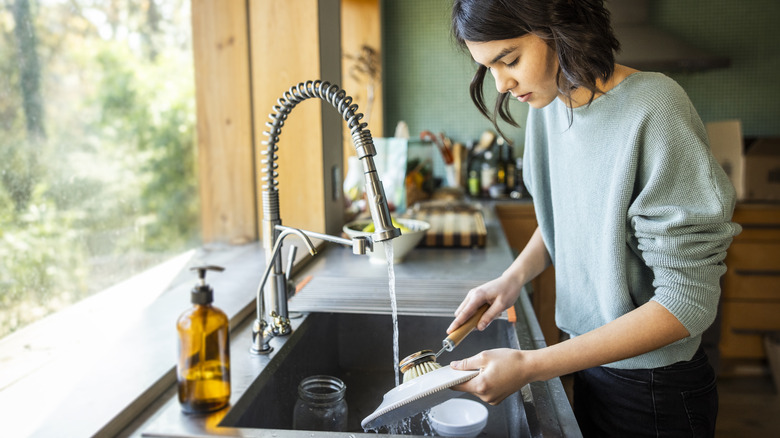
While some people prefer handwashing dishes, dishwashers are actually more effective at killing germs. They reach high temperatures that can sanitize dishes, and they’re less likely to contaminate them if you maintain your sponges and dish rags properly. Unless you use a chemical sanitizer after handwashing, a dishwasher is usually the better choice for hygiene.
Dishwashers Need Regular Maintenance
Dishwashers don’t clean themselves, and neglecting maintenance can lead to bacterial growth. Regularly clean the filter and use dishwasher tablets, vinegar, or bleach to keep your appliance running smoothly. Avoid using bleach on stainless steel interiors, as it can corrode metal.
Fabuloso in the Toilet Tank Is Harmful
Putting a Fabuloso bottle in your toilet tank is a common hack, but it can damage your toilet over time. The chemicals in Fabuloso can wear down the flapper and fill valve, leading to costly repairs. Instead, use a proper toilet bowl cleaner or bleach to keep your toilet clean and functional.
Coca-Cola Isn’t the Best Choice for Toilets
Coca-Cola contains phosphoric acid, which can remove hard water stains, but it’s not an effective cleaner for the entire toilet. The sugar in the drink can even feed bacteria. For a better and more cost-effective solution, use vinegar or a specialized cleaner to tackle stains.
Extra Laundry Detergent Isn’t Better
Using more laundry detergent than recommended can leave residue on your clothes and cause odors. Follow the instructions on your detergent bottle, and remember that high-efficiency washers use less water, so you may need less detergent. If your clothes feel stiff or scratchy, soak them in a vinegar and water solution before washing again.
Vinegar Isn’t Safe for All Surfaces
While vinegar is a great natural cleaner, it’s not suitable for all surfaces. Its acidity can damage wood, natural stone, and unsealed grout. Use soap and water or rubbing alcohol for natural stone, and opt for gentle soap and water for wood furniture.
Hardwood Floors Need Proper Drying
Mopping hardwood floors with too much water can cause damage over time. After mopping, use a dry cloth to wipe away any remaining moisture and prevent warping or swelling. Frequent dry mopping can also reduce the need for water-based cleaning.
Bleach Isn’t Always the Best Choice
Bleach is a powerful disinfectant, but it’s not always the best option for every cleaning job. It can damage certain surfaces like stainless steel and natural stone. For everyday cleaning, soap and water are often sufficient. If you do use bleach, dilute it properly and work in a well-ventilated area.

Post a Comment for "16 Cleaning Myths Harming Your Efficiency"
Post a Comment