
5 Garden Upgrades You'll Regret, Says a Designer
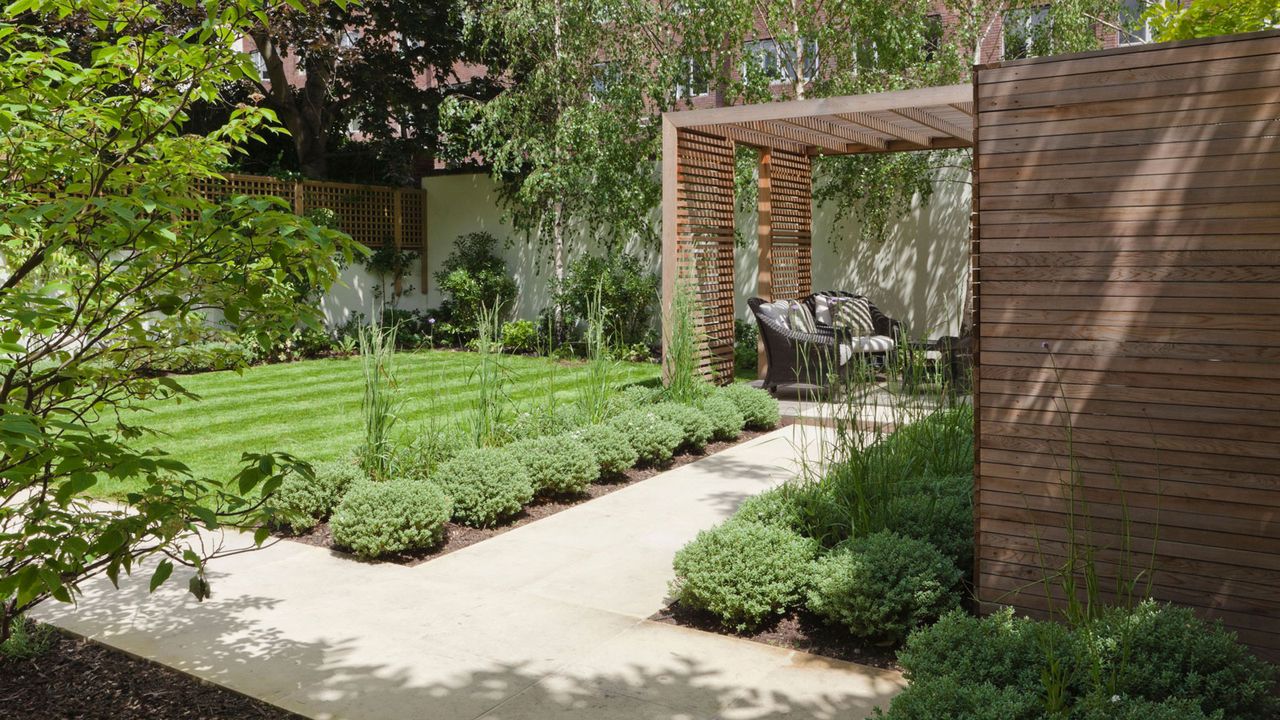
The Art of Thoughtful Garden Design
Creating a garden is meant to be an enjoyable and fulfilling experience. It should not be rushed or approached as a quick fix, but rather as a gradual process that requires time, care, and attention. While it may be tempting to invest heavily in a garden to achieve instant results, this approach often leads to costly mistakes and long-term dissatisfaction.
There are several expensive backyard upgrades that can end up being regrettable decisions. Here are five such choices that homeowners might come to wish they had avoided.
1. Overdoing the Decking
Decking has become a popular feature in many gardens, but when overused, it can feel like an unnecessary expense. I find it frustrating when a garden is dominated by large areas of decking, which can make the space feel artificial and uninviting. While there are some stylish small deck ideas that work well, the maintenance required for larger decks—such as cleaning, stripping, and repainting—can be both time-consuming and costly. Composite alternatives are available, but they often fall short in terms of aesthetics and durability.
Decking tends to create a sanitized, controlled environment that contrasts with the natural beauty of a wild garden. Many homeowners later express regret over their decision to cover too much of their outdoor space with decking.
2. Planting Trees That Are Too Big
One of my biggest garden design pet peeves is planting trees that grow too large for their space. A recent example involved a neighbor who planted a young tree near a fence, only for it to grow into a massive tree that now threatens to damage the fence and nearby electrical wires. This kind of oversight can lead to serious problems down the line.
When choosing trees, it's important to consider their mature size, root spread, and how they will interact with surrounding structures. Fences, walls, and power lines can all be at risk if the wrong tree is planted in the wrong place.
3. Artificial Grass
Artificial grass may seem like a low-maintenance option, but it comes with its own set of issues. Not only is it expensive, but it also has environmental drawbacks. In fact, the Royal Horticultural Society (RHS) has banned the use of artificial grass in its shows due to ecological concerns. Real grass, while requiring more upkeep, offers a more natural and aesthetically pleasing appearance.
If you're considering artificial grass, it's worth trying real grass first. You may find that the effort of maintaining a living lawn is well worth the reward of a vibrant, healthy garden.
4. Investing in a Planting Scheme Without Checking the Land
Before investing in a planting scheme, it's essential to understand your garden's conditions. Factors such as soil type, pH, drainage, and light exposure play a crucial role in determining which plants will thrive.
I once visited a friend’s garden where Russian sage was planted in deep shade and poorly draining soil, leading to poor growth. Another friend spent a lot on peonies that only flowered for a few days each year. These examples highlight the importance of selecting plants that are suited to your specific garden conditions.
5. An Inbuilt Fire Pit Area
Fire pits can add a wonderful element to an outdoor space, but an inbuilt design can be a costly mistake if not used regularly. While a beautifully designed fire pit can enhance your garden, it's important to consider whether it will be used enough to justify the investment.
A standalone fire pit may offer more flexibility and be a better choice for those who want to test the waters before committing to a permanent installation. Always ask yourself whether the feature is something you’ll truly enjoy or simply a status symbol.
Essential Garden Tools
To help maintain your garden, consider these must-have tools:
- Thorn-proof leather gardening gloves: These provide excellent protection and comfort while working in the garden.
- Okatsune Pruning Shears: High-quality pruning shears are essential for any gardener, offering precision and durability.
- Tree & Shrub Fertilizer Spikes: These ensure proper fertilization without the risk of overuse.
Ultimately, the most beautiful gardens are those that reflect the owner’s personality and passion. While expensive upgrades may seem appealing, they are not always the best choice. A truly successful garden is built on love, patience, and thoughtful planning.

Post a Comment for "5 Garden Upgrades You'll Regret, Says a Designer"
Post a Comment