
5 Reasons Your Car Cranks but Won't Start
Understanding Common Car Starting Issues
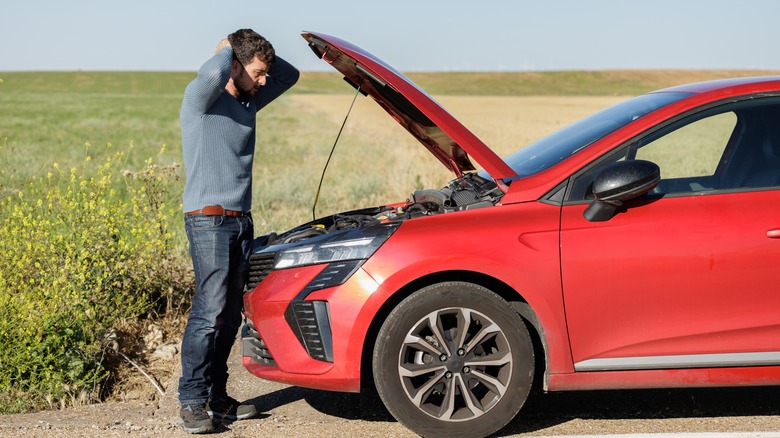
The frustrating sound of a car that just won't start is something many drivers have experienced. While it can be alarming, there are several common reasons why an engine might not fire up. Recognizing these issues and knowing how to address them can save time, money, and stress. In fact, with the right tools and knowledge, many of these problems can be resolved without the need for professional help.
The Most Common Causes of Engine Failure
One of the most obvious issues is a dead battery. Automotive batteries typically last between three to five years, but factors like frequent short trips or harsh weather conditions can shorten their lifespan. If your battery is dead, you may need to jump-start your vehicle using a jump starter or another car’s battery. However, if the problem persists after jumping, it could be related to the alternator or starter motor, both of which play critical roles in keeping your vehicle running.
Another simple fix is checking the fuel level. If your gas tank is empty, your engine won’t have the necessary fuel to ignite. This is a straightforward issue to diagnose and resolve, making it a good starting point when troubleshooting.
Spark Plug Problems
If your car turns over but doesn’t start, faulty spark plugs could be the culprit. These components are responsible for igniting the fuel mixture in your engine. Over time, they can become worn or dirty, leading to poor performance. Replacing spark plugs is a relatively simple task that can be done at home with basic tools. The cost of spark plugs varies, but they are generally inexpensive, making this a cost-effective solution.
Fuel System Issues
Problems with the fuel system can also prevent your car from starting. A clogged fuel filter or a failing fuel pump can restrict the flow of gasoline to the engine. The fuel filter is designed to keep debris out of the engine, but if it becomes too dirty, it can block fuel flow entirely. Similarly, a malfunctioning fuel pump may not deliver enough pressure to the engine, causing it to stall or fail to start.
To check for these issues, you can use a fuel pressure gauge to test the fuel pump. If the pressure is low, the pump may need replacement. Additionally, listening for unusual noises from the fuel tank or noticing inconsistent power when accelerating can indicate a potential problem.
Timing Belt Failures
A broken or degraded timing belt can cause significant damage to your engine. This component ensures that the engine’s internal parts move in sync. If the timing belt fails while the engine is running, it can lead to misfiring and other serious issues. You might hear a ticking noise under the hood, or your engine may misfire due to the lack of synchronization.
If you notice any of these symptoms, it's important to address the issue promptly. A failed timing belt can result in expensive repairs if left unchecked.
Air Filter Obstruction
While less likely, a clogged air filter can also contribute to starting problems. The air filter ensures that clean air reaches the engine, which is essential for proper combustion. If the filter is excessively dirty, it can restrict airflow, preventing the engine from receiving enough oxygen to ignite the fuel properly.
Checking and replacing the air filter is a simple task that can improve your vehicle's performance. Even if it isn’t the root cause of the problem, a dirty air filter can exacerbate existing issues, making it worth investigating.
Taking Control of Your Vehicle’s Maintenance
Understanding these common issues and knowing how to address them can empower you to take control of your vehicle’s maintenance. By learning basic repair skills and familiarizing yourself with key terminology, you can avoid being taken advantage of by unscrupulous mechanics. Plus, tackling these fixes on your own can save you money and give you a greater sense of confidence behind the wheel.
Whether it’s a dead battery, faulty spark plugs, or a clogged fuel filter, many of the problems that prevent your car from starting are manageable with a bit of know-how and the right tools. With regular maintenance and attention to detail, you can keep your vehicle running smoothly and avoid costly breakdowns.

Post a Comment for "5 Reasons Your Car Cranks but Won't Start"
Post a Comment