
7 Kitchen Design Blunders That Hurt Home Value, Says Experts
Common Kitchen Design Mistakes That Can Lower Home Value
Homeowners often take pride in personalizing their living spaces, especially the kitchen. However, making the wrong design choices can have long-term consequences, including reducing the home's value and making it less appealing to potential buyers. According to real estate and interior design experts, certain kitchen design decisions should be avoided to ensure that your home remains marketable and valuable.
Customized Countertops: A Potential Downfall
One of the most common mistakes is using overly customized or impractical countertop materials. Real estate professional Alexei Morgado explains that countertops with bright colors or porous stones like unsealed marble can deter buyers. These materials may look unique, but they come with maintenance issues and can appear costly to replace.
“Buyers might think they’ll have to replace them soon, which can turn them away,” Morgado says. In competitive markets, even small details like the type of countertop can influence a buyer’s decision. For example, concrete countertops might not be as appealing as granite or quartz options, which are more commonly associated with modern, stylish kitchens.
Mismatched Tile or Laminate Flooring: A Sign of Poor Quality
Mismatched tile or laminate flooring can also negatively impact a home’s value. Jacob Naig, an investor and real estate owner, warns that flooring that peels up when wet or looks cheap can signal that shortcuts were taken during construction. Buyers may question the quality of the entire kitchen if the flooring appears fragile.
Naig shares an example where replacing worn sheet vinyl with mid-range tile led to a $15,000 increase in the home’s asking price. He recommends opting for high-quality materials such as porcelain tile or hardwood to avoid future problems and enhance the overall appeal of the space.
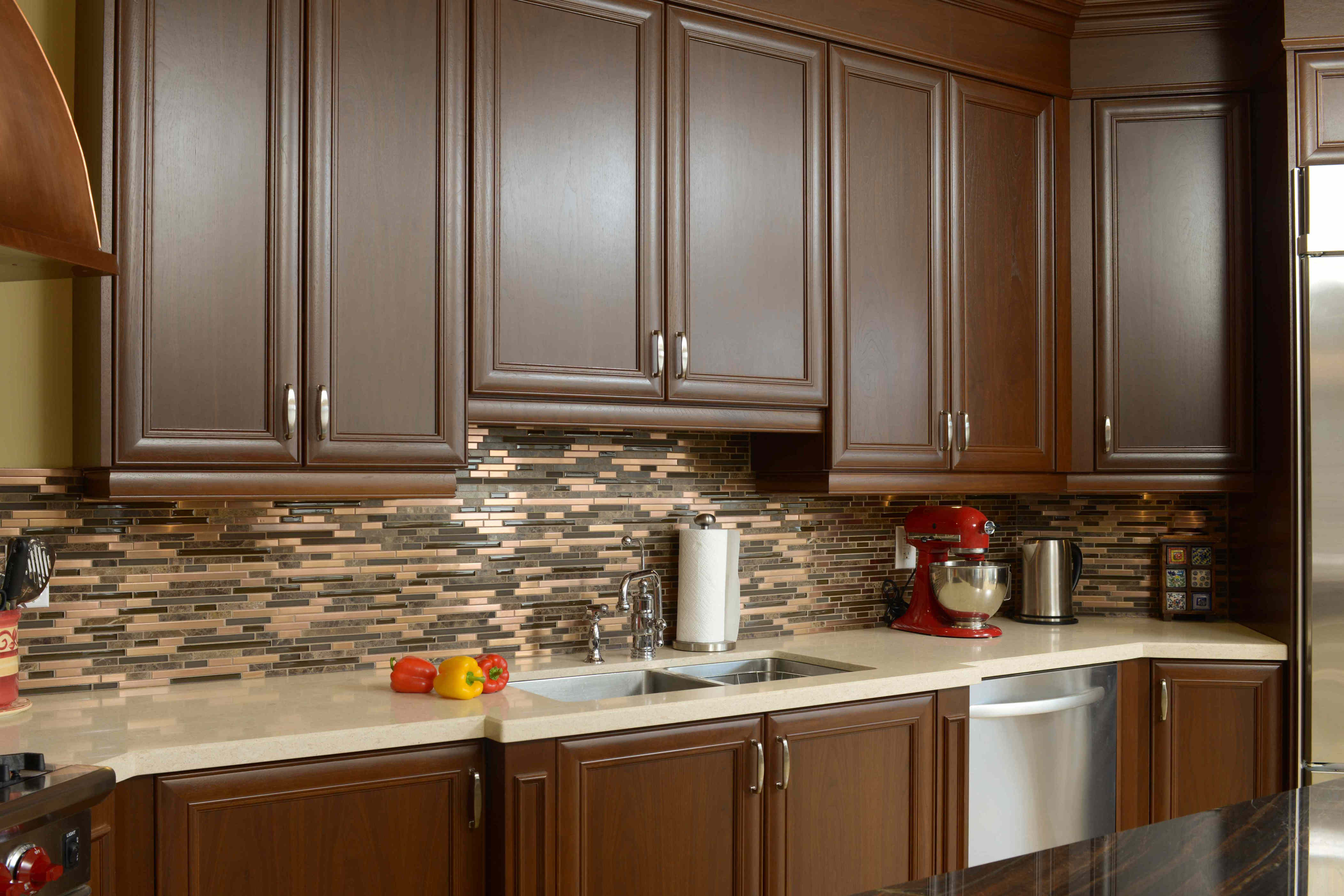
Heavy Dark Cabinets: Creating a Claustrophobic Feel
Dark cabinets, while trendy in the past, can make a kitchen feel smaller and more gloomy. Morgado notes that buyers often prefer open, sunlit spaces, and dark brown or black cabinets can create a negative first impression. They also tend to show dust and scratches more easily, giving the illusion that the kitchen requires constant maintenance.
“This makes buyers think about the cost of replacing the cabinets before even considering the rest of the house,” Morgado explains. He advises homeowners to go for lighter, contemporary designs that offer a clean and functional look.
Trendy, Personalized, or Bold Designs: A Risky Move
Trendy or highly personalized designs can quickly become outdated, leading to a kitchen that feels dated before the next remodel. Missy Derr, a real estate advisor, warns that bold color choices, such as neon cabinets or bright red backsplashes, may appeal to some but not to others. Buyers often prefer neutral tones that allow them to imagine their own style in the space.
Derr suggests sticking to classic, timeless choices that appeal to a broader audience. “Chasing trends can lead to needing a remodel sooner than expected,” she says. This can result in wasted money and lower resale value.
Mismatching Kitchen Appliances: A Visual Disruption
Appliances that don’t match in style or finish can create a cluttered and unorganized look. Morgado points out that mismatched appliances can make the kitchen feel incomplete, leading buyers to believe they will need to invest in new appliances right away.
He emphasizes that even if the appliances work perfectly, the visual inconsistency can reduce the perceived value of the kitchen. Matching finishes and styles can help create a cohesive and modern appearance, which is more appealing to buyers.
Swapping Pantries for Open Shelving: Sacrificing Functionality
While open shelving is popular among minimalists, it can reduce storage space and functionality. Derr highlights that pantries and cabinets provide essential storage, and removing them can make the kitchen less practical. Open shelves also require frequent cleaning and can collect dust, which may deter buyers.
She advises homeowners to prioritize function over aesthetics when designing their kitchens, ensuring that there is enough storage space to meet everyday needs.
Awkward Layouts: Impacting Overall Appeal
An awkward kitchen layout can make the space less attractive to buyers. Hannah Griffiths, an interior designer, explains that a well-designed kitchen should have a functional layout with the refrigerator, stove, and sink placed within easy reach. This is known as the "work triangle," and it ensures that the kitchen is efficient and user-friendly.
Griffiths warns that poor layouts can make the kitchen feel uncomfortable or impractical, which can lower the overall value of the home. She recommends sticking to proven design principles that enhance both aesthetics and usability.

Post a Comment for "7 Kitchen Design Blunders That Hurt Home Value, Says Experts"
Post a Comment