
7 Steps to Master Craftsman Style at Home
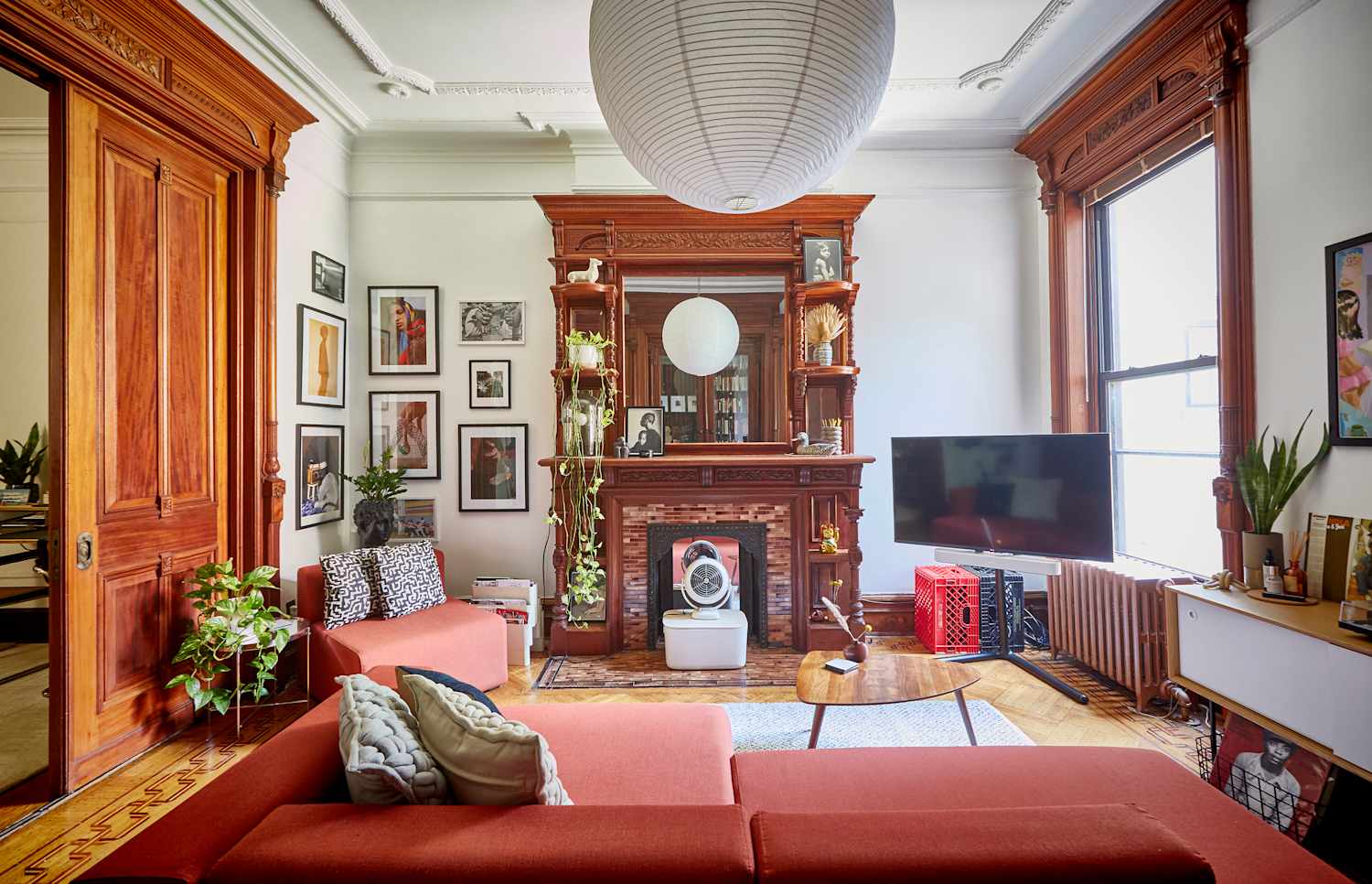
The Origins and Philosophy of Craftsman Interior Design
Design movements are often a reflection of what came before, and the Craftsman interior design style is one of the clearest examples of this cyclical nature. While the Victorian design of the late 19th century emphasized excessive ornamentation and formality, Craftsman interiors took a different approach by focusing on simplicity, nature, and craftsmanship.
Craftsman style is essentially a rejection of the Rococo, neoclassical, and over-the-top opulence of the 1920s. In the 1930s and 1940s, Craftsman-style houses used wood and showcased its natural grain. This design philosophy highlights the richness of materials, particularly the natural color and grain of wood, allowing clean lines and skilled woodworking to speak for themselves. There’s no need to paint a beautiful piece of wood when the material itself is warm and welcoming.
Craftsman interiors celebrate the process of creation by displaying structural elements and joinery as works of art. All of this occurs within a natural, earthy palette that connects the interior style to nature.
When Did Craftsman Interiors Become Popular?
In 1901, furniture designer Gustav Stickley released the first issue of The Craftsman, which marked the birth of a new design and architecture movement. He moved away from the heavy ornamentation and formal styling of the Victorian era, instead promoting a simpler, back-to-nature philosophy.
The Arts and Crafts era in American design brought both Craftsman-style architecture and interiors to the forefront, especially in areas like California, Chicago, the Pacific Northwest, and small towns throughout the South. Drawing inspiration from Japanese architecture and the English Arts and Crafts movement, which began roughly 40 years earlier, this approach emphasized simple, straight lines, a focus on handcrafted elements, and a preference for natural materials like wood and stone.
Throughout the early 20th century, from roughly 1900 to 1930, Craftsman design and architecture remained a dominant style in the United States. Even as it gave way to mid-century and modern design, the core principles of Craftsman design have continued to influence how many designers and architects think about "good" design.
Key Characteristics of Craftsman Interior Design
Craftsman interior design is as much about the philosophy behind the design as it is about the look itself. Originally a rejection of overly ornate design, today it's about a return to simple, quality materials and a connection to nature.
Detailed Woodworking and Custom Elements
Beautifully rich wood built-ins are a hallmark of Craftsman-style rooms. These elements showcase both craftsmanship and an emphasis on the natural grain of the wood.
Manual Techniques
Craftsman interior design places a focus on the craft behind the architecture. It's not fast design—it's design meant to last. This includes techniques like dowels instead of nails and glue.
Connection to Nature and Natural Materials
Craftsman interiors emphasize a connection to nature through the use of natural materials. Instead of covering up materials, they are celebrated.
Clean Lines
Craftsman details illustrate amazing woodwork but don’t overwhelm interiors with ornate detail or intricate carvings. Instead, the natural grain of the wood speaks for itself.
Earthy Color Palettes
Craftsman interiors typically avoid high-contrast looks, instead using nature-inspired palettes. Deep olive green and burgundy complement natural wood tones.
Visible Structural Elements
Structural elements like beams are showcased rather than hidden. This highlights the artistry behind the construction.
Humble Scales
Craftsman homes avoid anything that would make a person feel small inside. Lower ceilings and smaller rooms create a sense of comfort and coziness.
Fireplaces Galore
Fireplaces are central to Craftsman interiors, often serving as the focal point of the living room.
Focus on Simplicity
Craftsman design is simplistic in details and finishes but intentional and of higher quality, often handmade for a custom feel.
Nature-Inspired Patterns
While the woodwork may be simple, Craftsman homes feature vintage-inspired patterns that reflect the Arts and Crafts movement.
How to Incorporate Craftsman Interior Design Into Your Home
Craftsman’s warm, cozy ambience comes from its emphasis on wood, natural materials, and human-level scale. While often seen in homes built during its heyday in the early 20th century, it can also be replicated in modern homes.
Build Integrated Wood Built-Ins
Integrated wood built-ins add a touch of craftsmanship without being overly ornate.
Choose Natural Wood Tones
Natural wood tones are celebrated in Craftsman spaces, highlighting the true color and grain of the wood.
Focus on Simple Woodworking
Simple lines paired with quality materials create a timeless look.
Put Structural Elements on Display
Exposed woodworking adds warmth and detail to a space.
Put Your Fireplace in the Spotlight
Fireplaces are central to Craftsman interiors, often flanked by built-in elements.
Use Nature-Inspired Colors
Earthy colors connect indoor spaces with the outdoors.
Opt for a Natural Wood Stain
A natural stain allows the wood grain to shine through, adding to the overall warmth of the space.

Post a Comment for "7 Steps to Master Craftsman Style at Home"
Post a Comment