
9 Amazing Examples of Animal Cooperation
Understanding Mutualism in the Animal Kingdom
Mutualism is a fascinating type of relationship where two different species benefit from one another through cooperation. While some animals live solitary lives, many rely on partnerships that improve their survival. These interactions often develop into strong ecological bonds, even when the pairing seems unlikely. Below are 9 examples of animal relationships that demonstrate how mutualism works in nature.
1. Cattle Egrets and Water Buffalo
In Sub-Saharan Africa, you often see birds with white plumage and yellow beaks known as cattle egrets (Bubulcus ibis) on top of the common water buffalo. They sit and travel on their backs while they feast on fleas, ticks, and other insects. This partnership benefits both species. The cattle egrets get a free meal and a ride, while the buffaloes are protected from harmful insects they wouldn’t be able to reach themselves. When not on the buffalo’s backs, cattle egrets spend time by their feet, taking advantage of the water buffalo’s movements. When they kick up grass, they reveal insects, which is what cattle egrets love most. These birds can also be found in shallow water and agricultural areas but it’s common to see these two hanging out in little groups.
2. Zebras and Ostriches
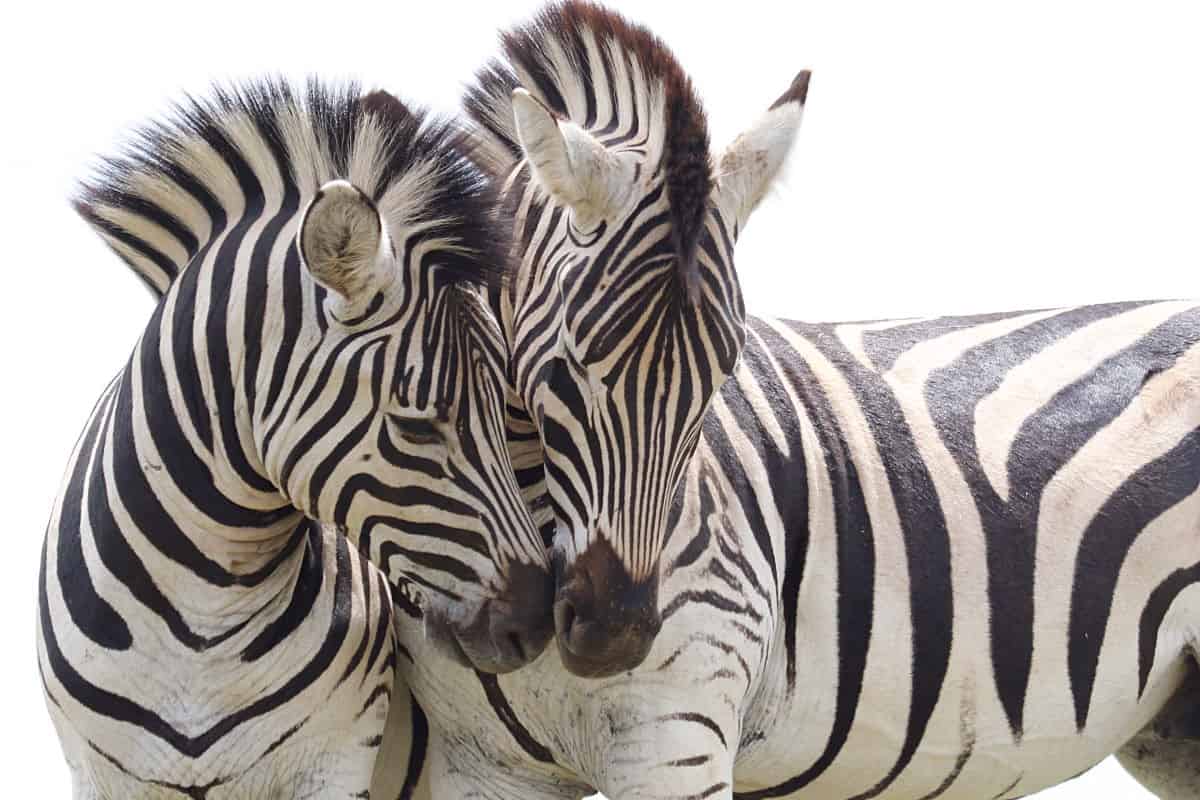
Zebras and ostriches can coexist in the wild and tend to form herds for protection from predators. Zebras are quick to kick or bite, which helps them defend against threats. Ostriches, on the other hand, care so much for their nesting sites that they run off any other animal that attempts to enter their area. Together, they offer mutual vigilance. Ostriches are taller and spot predators early, while zebras’ senses also detect threats. Where one fails, the other picks up the slack, so they stick together.
3. Honeyguides and Humans
Honeyguides are birds that have mastered a beautiful plan. Since honey is their favorite, and it is difficult for them to get it out of a beehive, they have made an unspoken pact. Honeyguides (Indicator indicator) have been known to guide humans to hives in Africa to get the precious liquid out of the beehive, so they can both enjoy it. They live well in harmony serving each other.
4. Sea Anemones and Clownfish
Sea anemones protect clownfish by allowing them to hide within their tentacles. Clownfish create a slimy substance that protects them from the stinging of sea anemones, which demonstrates how perfectly they’ve evolved to engage in mutual behavior. Clownfish return the favor by attracting food for their friends the anemones, while they provide nutrients and aeration. Clownfish excretion also provides food back to the anemones and the recycling of life begins again.
5. Badgers and Coyotes
These two animals, though unlikely friends, work well together. Coyotes rely on their speed and agility while badgers are known for their digging and burrowing abilities. They are both carnivorous and mostly go for rodents, rabbits, and squirrels. They have a common goal to cooperate with each other when the coyotes can no longer chase prey due to a narrow space. That’s when it comes in handy to be a badger, as they take over and end up sharing a feast. Although they work well together, they don’t stick with each other full-time. Each species goes off on its own to hunt as well.
6. Drongos and Meerkats
Drongos are songbirds that are both helpful and clever. When a meerkat is hunting, it has to keep an eye out for predators. However, the most advantageous perspective is from above. An aerial view allows for a greater range of vision and since songbirds have this advantage, they use it to help meerkats out. When a drongo sees a predator, it calls out, letting the meerkat know it’s in danger. The meerkat quickly retreats, often dropping its prey as it runs away to ensure survival. As helpful as drongos are, they have also realized that when a meerkat runs, it drops a meal. So, sometimes, drongos get deceptive, calling out even when there’s no predator in sight. The meerkats respond by retreating and the songbirds get to enjoy extra snacks for the day!
7. Humming Frogs and Colombian Lesser Black Tarantulas
Colombian lesser black tarantulas and humming frogs are animals that work together and help each other. They are so close that they move in together sometimes, becoming roommates in a burrow. The tarantula protects the humming frogs from predators and when it’s done eating, it saves a bit for the frogs, which happily snatch up the leftovers. While the frog benefits greatly, the tarantula receives repayment in the form of protection as well. The frogs eat up insects to keep the tarantula’s eggs safe — it makes sense that with such an intimate pairing, these two creatures would choose to live together.
8. Gobies and Pistol Shrimp
In the animal kingdom, there are support animals the way guide dogs help those who are blind. Gobies serve as the “guide dog” for pistol shrimp, which have awful eyesight. Although they have strong claws, their poor eyesight renders them extremely vulnerable to predators. This is where gobies come in. The shrimp keeps an antenna on the goby; if a predator is close, the goby signals danger by flicking its tail. Together, they retreat into the shrimp’s burrow so they can conceal themselves and let the predator pass. They’ve developed a buddy system that works perfectly!
9. Mites and Carrion Beetles
Dead, rotting flesh, as unappealing as it sounds, is a treat for some animals and insects, including carrion beetles. Not only is it something to snack on for carrion beetles, but it also serves as the perfect environment for their larvae to develop, as they get to enjoy the same sustenance. However, this isn’t an original idea, which means other insects are often in the environment as well. Since this creates competitive conditions, young carrion beetles are in danger. To clear out other insects and give their babies an opportunity to thrive, carrion beetles carry on mites, letting them settle onto their backs as they make their way over to the rotting flesh feast. The mites get to enjoy a full-on limo ride over to the buffet as if they were special guests. And they are. Once they arrive, they eat up all the other eggs and larvae in the environment, leaving only the host beetle’s babies alone. It’s very much a win-win scenario, except for the other insects.

Post a Comment for "9 Amazing Examples of Animal Cooperation"
Post a Comment