
Advocates Demand Stricter Nursing Home Staffing Enforcement
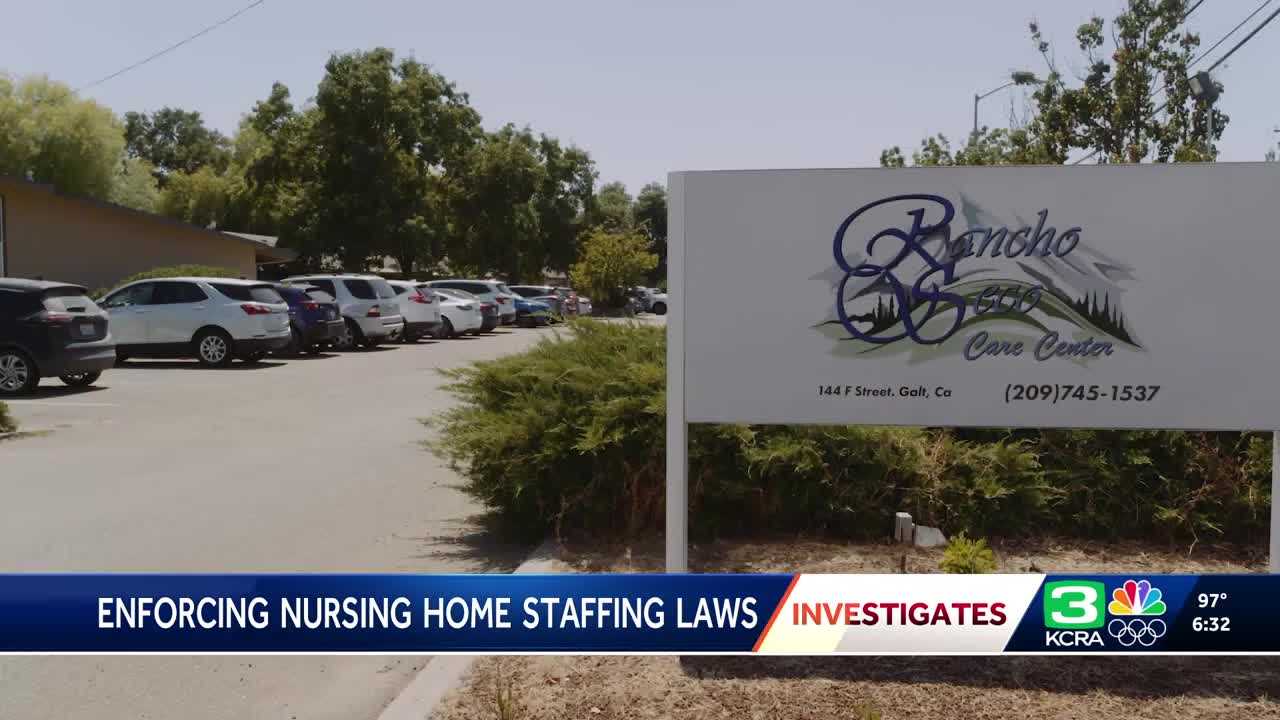
Sweetwater Care Faces Lawsuit Over Alleged Nursing Home Staffing Violations
Sweetwater Care, a company that owns more than a dozen nursing homes across California, is currently involved in a civil lawsuit brought by the state attorney general. The allegations against the company suggest that it has engaged in unlawful, unfair, and fraudulent business practices for years, putting residents at risk by failing to meet minimum staffing levels required by law.
The lawsuit highlights concerns about the company’s approach to staffing, which has allegedly led to dangerous conditions in its facilities. According to Tony Chicotel, senior staff attorney with California Advocates for Nursing Home Reform (CANHR), the lack of sufficient staff can lead to serious consequences, including accidents, mistakes, and even deaths. “Staffing is everything in nursing home care,” he said, emphasizing how understaffing compromises the quality of care provided to vulnerable residents.
Sweetwater Care has grown significantly over the past few years, expanding from two facilities in 2020 to 19 by 2024. During this time, the company reportedly collected over $299 million in public funds through programs like Medi-Cal and Medicare. Critics argue that this financial success came at the expense of resident safety, as the company allegedly prioritized profit over people.
One specific case cited in the lawsuit involves a resident at Rancho Seco Care Center in Galt who reported leg pain and swelling but went four days without treatment. It was later discovered that the resident had two broken bones. This incident is just one example of what Chicotel describes as a pattern of neglect across multiple facilities.
The lawsuit also raises questions about the role of the California Department of Public Health (CDPH) in enforcing staffing standards. CDPH is responsible for licensing and regulating nursing homes, including ensuring they meet staffing requirements. However, data obtained by KCRA 3 Investigates shows that some facilities under Sweetwater Care have been noncompliant for hundreds of days, yet faced only minimal enforcement actions.
For instance, Valley Care Center reportedly had noncompliance issues for at least 1,270 days, but CDPH only cited them for 90 days. Similarly, Yucca Valley Nursing had noncompliance for 1,252 days, but was fined for only 72 days. The fines, which are capped at $50,000 per year, are seen as insufficient to deter facilities that may be making millions in profits by under-staffing.
When asked about these findings, CDPH spokesperson Mark Smith explained that enforcement actions are based on specific legal thresholds and evidentiary standards. He noted that citations are issued when deficiencies are substantiated and result in harm or potential harm to residents. However, the response did not clarify whether additional resources or changes in policy would help improve compliance.
Chicotel expressed disappointment that CDPH did not act sooner to address these violations. “The message to the facilities all throughout California is the staffing standards don't really mean much,” he said. Despite this, he is encouraged by the attorney general's involvement, which he sees as a step toward holding nursing homes accountable.
The lawsuit was filed in June in San Diego County Superior Court, where Sweetwater Care is headquartered. The next court hearing is scheduled for November. Meanwhile, the attorney general has filed a motion for a preliminary injunction, calling for the appointment of a Compliance Monitor to oversee the company’s operations.
Sweetwater Care’s attorney, Scott Kiepen, stated that the company will address the allegations in court. He noted that the defendants have already filed demurrers and motions to strike with the court. Additionally, Rancho Seco Care Center is facing more than $478,000 in federal fines, though it has appealed the charges.
As the legal battle continues, advocates and watchdogs are urging regulators to take stronger action to ensure that nursing home residents receive the care they deserve. The case highlights broader concerns about oversight and accountability in the long-term care industry, particularly when it comes to staffing and resident safety.

Post a Comment for "Advocates Demand Stricter Nursing Home Staffing Enforcement"
Post a Comment