
Asia Cup: India Triumphs, Pakistan Falls Short, Cricket Struggles
A Dramatic Conclusion to the Asia Cup 2025
The Asia Cup 2025 turned out to be more than just a cricket tournament. It was a spectacle filled with intense rivalries, unexpected twists, and moments that will be remembered for years to come. The 17th edition of the continental event was marked by several firsts, including the historic final between India and Pakistan, which had not occurred in over four decades.
This final was unlike any other. For the first time, captains from both teams refused to shake hands at the toss, signaling a deep-seated tension that had been building up throughout the tournament. And perhaps most notably, the winning team celebrated without the trophy on the night of the final, leaving many wondering what exactly happened behind the scenes.
No Trophy, Just Celebration
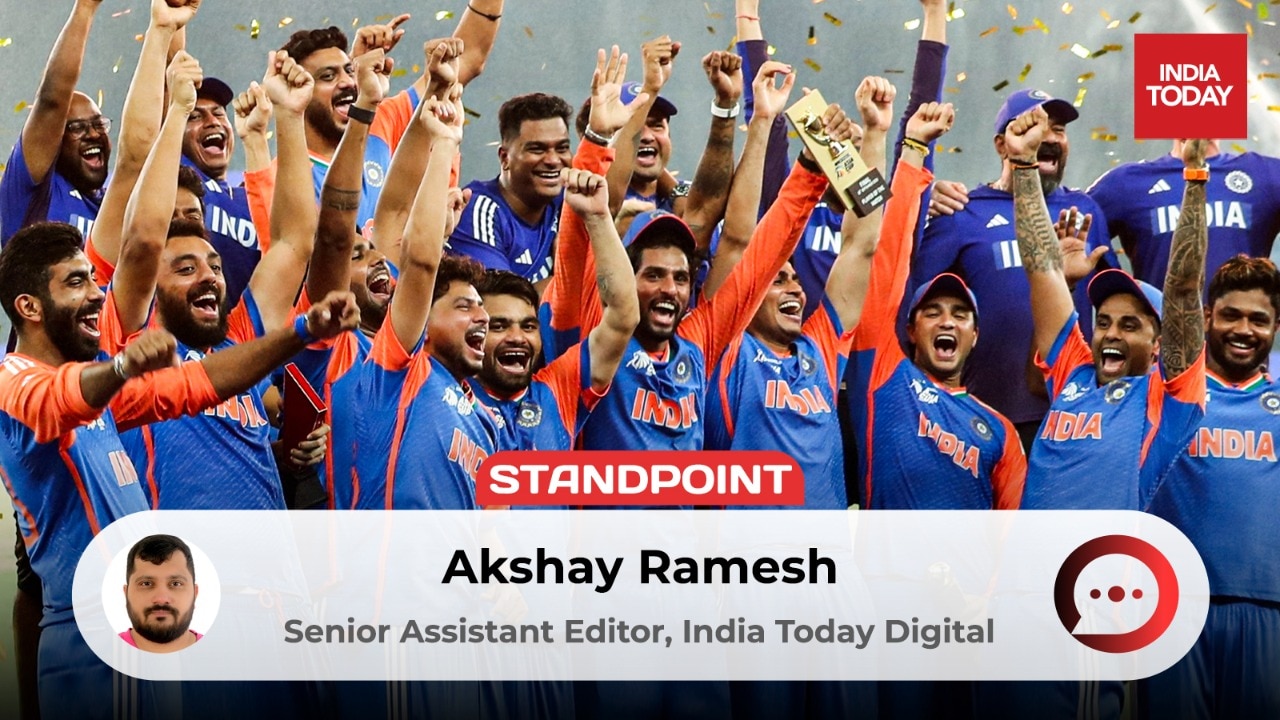
After a tightly contested match, India emerged victorious against Pakistan. However, the celebration was not as expected. The Indian team did not receive the trophy or the winners' medals, leading to an unusual scene where players used artificial intelligence to create images of themselves holding the trophy. This decision came after India's captain, Suryakumar Yadav, stated that the team made the choice independently, though later reports suggested that the Board of Control for Cricket in India (BCCI) might have influenced the decision.
The reason behind the refusal to accept the trophy was rooted in the behavior of the Asian Cricket Council chief, Mohsin Naqvi. The Indian team felt that he had not conducted himself with the appropriate level of respect and courtesy during the event. As a result, the trophy and medals were reportedly taken to the hotel room of the Pakistan Cricket Board (PCB) chief, who decided that if he could not present them, then India would not celebrate with them either.
A Controversial Final
Pakistan’s captain, Salman Ali Agha, criticized India’s stance, calling it disrespectful to the spirit of the game. This incident highlighted the growing tensions between the two nations, both on and off the field. The post-match presentation became a focal point of the entire tournament, overshadowing the actual performance of the players.
Tilak Varma, who played a crucial role in India's victory, may not be remembered for his contributions in the final. His efforts, along with the strong performances of the Indian spinners, were overshadowed by the drama that followed. Despite the close contest, the focus shifted away from the cricket itself and onto the political and emotional aspects of the match.
A Rivalry That Fades
Suryakumar Yadav had previously claimed that the India-Pakistan rivalry existed only in the headlines, not on the field. This statement proved true as India dominated the final, showcasing their strength as a world-beating T20I side. However, the match was not without its challenges. Pakistan put up a strong fight, managing to stretch the game and bring back memories of past nail-biting finals between the two teams.
Despite this, the final will likely be remembered more for the controversies than for the cricket itself. The events surrounding the trophy, the handshake snub, and the provocative gestures made by players during the tournament all contributed to a narrative that extended beyond the sport.
Politics and Cricket
The Asia Cup 2025 was heavily influenced by the political climate between India and Pakistan. The tournament took place in the aftermath of the Pahalgam terror attack and the subsequent cross-border hostilities. These tensions seeped into the cricket arena, with players making gestures that referenced their governments' claims, leading to disciplinary actions from the International Cricket Council.
Statements from political leaders further complicated the situation, blurring the lines between sport and politics. Even players like Jasprit Bumrah, known for his calm demeanor, found themselves caught in the controversy.
A New Era of Cricket
As the Asia Cup comes to an end, it leaves behind a legacy that is more about the drama than the sport itself. The events of the tournament highlight the challenges that cricket faces in maintaining its integrity amidst political tensions. While the rivalry between India and Pakistan remains one of the most anticipated in the world of sports, it is clear that the game needs to find a way to separate itself from the politics that often accompany it.
The future of cricket in this region depends on the ability of both nations to focus on the game itself, rather than using it as a platform for political statements. Only then can the true essence of cricket be preserved, allowing fans to enjoy the sport without the added weight of external conflicts.

Post a Comment for "Asia Cup: India Triumphs, Pakistan Falls Short, Cricket Struggles"
Post a Comment