
Back to School: 1 in 5 Ohio Kids Face Hunger
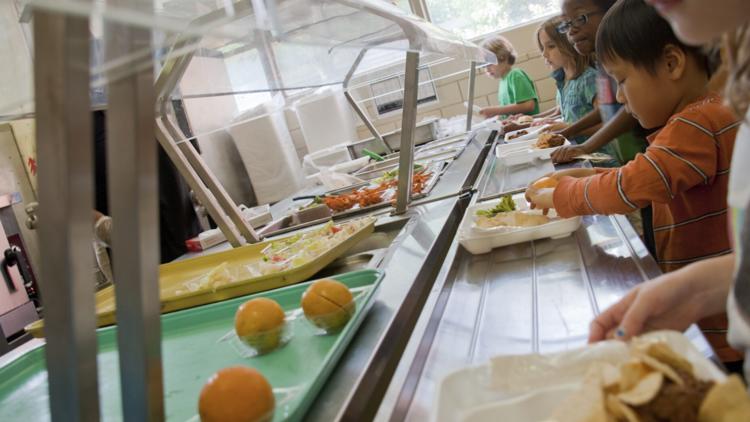
Child Hunger Remains a Critical Issue in Ohio as the School Year Begins
As the new school year starts in Ohio, one of the state's most persistent challenges—child hunger—remains unresolved. Despite efforts by various organizations and local communities to address the issue, the demand for food assistance continues to outpace available resources. This growing crisis is compounded by reduced support from both state and federal sources, leaving many families struggling to provide basic necessities for their children.
According to Feeding America, 1 in 5 children in Ohio face food insecurity, which translates to over 517,000 kids. Deacon Nick Bates, director of the Hunger Network in Ohio, emphasizes that while many individuals and groups are working tirelessly to ensure children have access to meals, the scale of the problem requires more coordinated and sustained support.
Bates has witnessed firsthand the impact of budget cuts on food pantries and other hunger-relief programs. With limited funding, fresh food supplies are often scarce, and resources are stretched thin. “Instead of being able to give out five days worth of food, it means giving two to three days worth of food,” he explains. The long-term consequences of child hunger extend beyond immediate nutrition, affecting health outcomes and educational success.
Impact on Schools and Educational Funding
School districts across Ohio are also grappling with the challenge of providing adequate meals to students. For instance, the Pickerington Local School District relies on federal funding to offer free breakfast and lunch to its 12,000 students. However, uncertainty surrounding future funding raises concerns about what might happen if these resources are reduced or eliminated.
Joie Moore, an education support professional at the district, recalls past times when students received only a cheese sandwich due to financial constraints. She notes that even families working multiple jobs often struggle to meet basic needs. Moore shares how she kept snacks like granola bars and protein bars in her drawer to help hungry students throughout the day.
The district is facing significant financial challenges, particularly with changes to the Fair School Funding Plan. Moore warns that without additional funding, staff reductions may be necessary. “We have to have funding to give our kids textbooks, to give them food, all the things they need,” she says. The lack of stable funding threatens not only academic resources but also essential support services for students.
Further Cuts and Their Consequences
Recent state budget decisions have further strained food assistance programs. The Children’s Hunger Alliance, which provides meals through child care centers, after-school programs, and summer meal initiatives, received $5.5 million over the next two years—down from the governor’s proposed $7.5 million. This reduction will result in 1.2 million fewer meals for children returning to school this month.
Despite the cuts, the alliance has committed to maintaining its programs. However, it will have to reduce the amount of food provided over fewer weeks. Similarly, the Ohio Association of Foodbanks, which receives up to $24.5 million annually, faces increased demands due to rising food costs and higher pantry visits.
Broader Impacts of Budget Cuts
The impact of budget cuts extends beyond food assistance. The federal budget bill included significant reductions to SNAP (Supplemental Nutrition Assistance Program), which affects nearly 40% of households in Ohio with children. These cuts come at a time when food prices, housing costs, and other household expenses are already placing a heavy burden on families.
Joree Novotny, executive director of the Ohio Association of Foodbanks, highlights the growing challenges faced by food banks. “Tradeoffs in the quality of food and the quantity of food are often made first as family budgets are squeezed,” she explains. The association reported a 23% reduction in state funding for food sourcing, making it increasingly difficult to meet the needs of hungry Ohioans.
Shifts in School Meal Programs
School districts are also adapting to changing policies. The Community Eligibility Provision (CEP), which allows high-need schools to provide free meals to all students, has seen declining participation. In the 2024-2025 school year, only 61.3% of eligible Ohio school districts participated, down from 77.6% in the previous year.
Edison Local Schools recently announced it would no longer participate in the program, reverting to a paid model for students not eligible for free or reduced-cost meals. Superintendent Bill Beattie cited financial sustainability as the primary reason for the decision, noting that the current model is no longer viable without compromising other essential services.
A Call for Action
Ohio Education Association President Jeff Wensing criticizes the state’s legislative leaders for failing to prioritize student needs. He argues that the current funding landscape creates winners and losers among school meal programs. “These are problems that we have, and every real problem that we currently have, you have to pin at the door of the Republican Party,” he says, reflecting the political tensions surrounding the issue.
As Ohio grapples with the ongoing challenge of child hunger, the need for comprehensive solutions remains urgent. From school districts to community organizations, the fight against food insecurity continues, driven by the belief that every child deserves the opportunity to thrive.

Post a Comment for "Back to School: 1 in 5 Ohio Kids Face Hunger"
Post a Comment