
Decades of Mystery Solved: Scientists Crack Genetic Anomaly
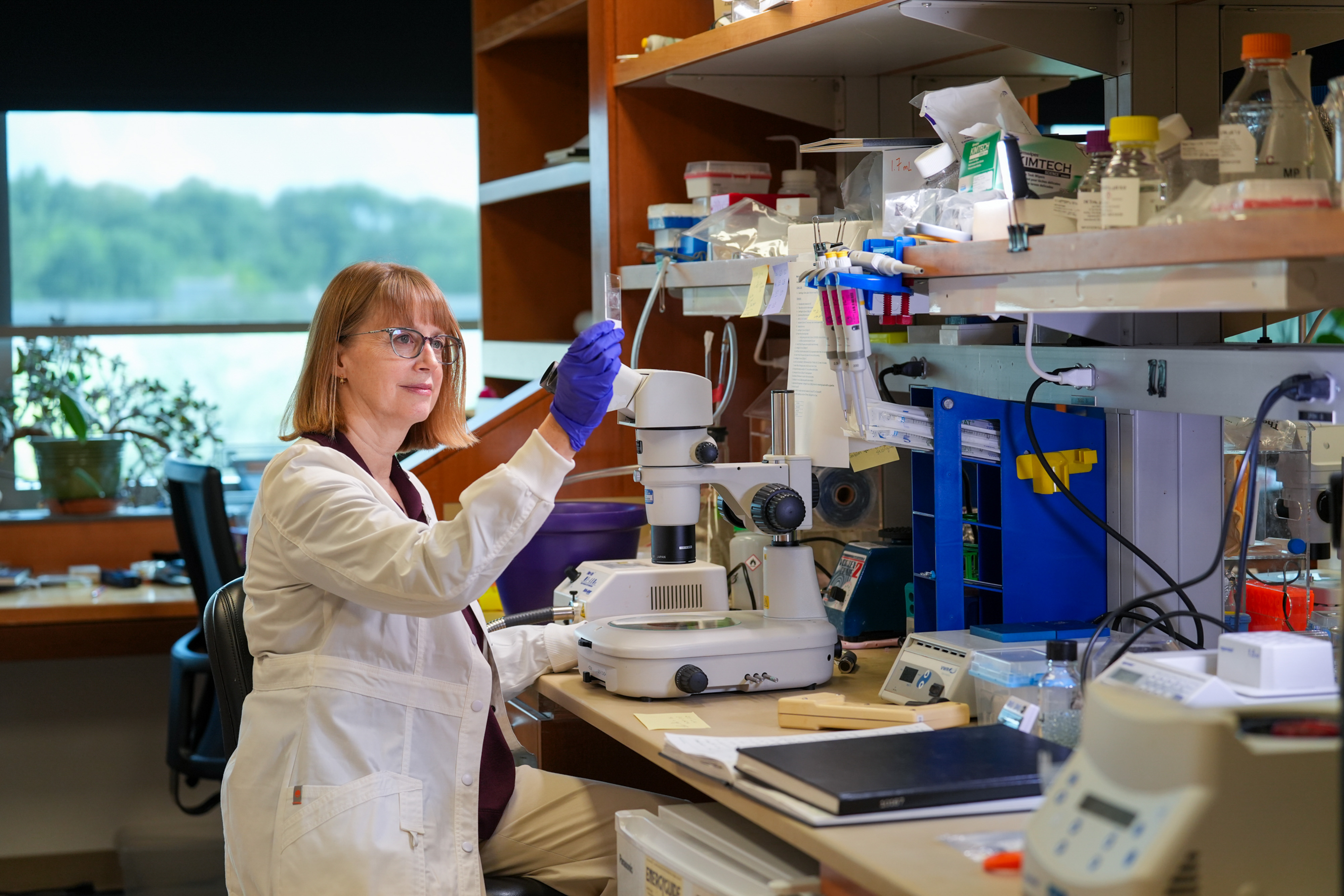
Understanding Chromosomal Abnormalities and the Mystery of Robertsonian Translocations
When couples face challenges in conceiving or experience pregnancy loss, they often undergo a series of medical tests. These tests can reveal unexpected findings, such as a chromosomal abnormality. One of the most common types of these abnormalities is known as a Robertsonian translocation. This condition occurs when two chromosomes fuse together, resulting in an individual having 45 chromosomes instead of the usual 46. While people with this condition may appear healthy, the issue usually comes to light during reproductive struggles.
Robertsonian translocations, often abbreviated as ROBs, have been a topic of study in genetics for decades. First identified in grasshoppers in 1916 by W.R.B. Robertson, these translocations have since been observed across various species, including mice, catfish, cattle, plants, butterflies, bats, and humans. Despite their prevalence, many individuals remain unaware of carrying this genetic anomaly until they encounter reproductive difficulties.
A recent breakthrough in understanding ROBs was published in the journal Nature. Researchers from the Stowers Institute for Medical Research in Missouri used advanced genome sequencing technologies to analyze the precise mechanisms behind these translocations in three individuals. Their findings revealed that previously overlooked regions of DNA—often referred to as "junk DNA" or the "dark matter" of the genome—play a critical role in how chromosomes become fused.
This research, while primarily focused on basic science, has significant implications for future studies. Scientists are already using the insights gained to explore existing genetic databases, searching for individuals who might unknowingly carry ROB chromosomes. By identifying these carriers, researchers hope to determine if they are at higher risk for conditions such as cancer, infertility, or rare diseases. This could lead to a deeper understanding of genetic disorders and potentially new tools for assessing reproductive risks.
Glennis Logsdon, a genome scientist at the University of Pennsylvania Perelman School of Medicine, noted that while the concept of ROBs has long been taught in genetics classes, the exact mechanisms behind them remained unclear. “That’s where this paper picks up,” she said, highlighting the importance of the study in filling a critical gap in scientific knowledge.
The human genome was first sequenced in 2001, but it wasn't complete. Approximately 8% of the genome was missing, consisting of repetitive sequences that were difficult to decipher. However, advances in sequencing technology allowed scientists to fill these gaps in 2022, resulting in the most complete human genome to date. This progress has opened new avenues for understanding the complexities of the genome.
Jennifer Gerton, a chromosome biologist at Stowers, emphasized the significance of this discovery. “Even in my institute, people say, ‘I had no idea there were things we didn’t know about the human genome,’” she remarked. Her team, along with collaborators from the University of Tennessee Health Science Center and the National Institutes of Health, worked to unravel a long-standing genetic mystery.
Humans typically have 46 chromosomes, which are threadlike structures made of DNA and proteins. During cell division, these chromosomes condense into an X-shape. Certain chromosomes, known as acrocentric ones, sometimes break apart and reassemble in a way that fuses their long arms. Unlike other chromosomal abnormalities that can cause severe health issues, ROBs often go unnoticed unless they affect fertility.
David Ledbetter, a human geneticist at Florida State University College of Medicine, explained that previous sequencing technologies struggled to decode repetitive regions of the genome. “Until recent sequencing technologies and strategies, it was not possible to sequence through the highly repetitive regions of the acrocentric short arms,” he said. Newer techniques provide larger pieces of the puzzle, making it easier to assemble the full picture.
The study found that repetitive segments on the short arms of chromosomes serve as "recombination hotspots" where translocations occur. The research also uncovered why chromosome 14 is particularly prone to these events. It contains repetitive sequences that are spelled backward, increasing the likelihood of fusion when breaks occur.
Adam Phillippy, director of the Center for Genomics and Data Science at the National Human Genome Research Institute, is now using data banks to identify individuals with ROB chromosomes. He believes this research is crucial for understanding both genetic diseases and the evolutionary processes of chromosomes.
André Marques, a group leader at the Max Planck Institute for Plant Breeding Research, praised the study for its contributions to explaining how chromosomes can fuse together. “This study really shows how a human chromosome can fuse together, a long-standing mystery that helps a lot to explain both genetic disease and also the engine of chromosomal evolution,” he said.

Post a Comment for "Decades of Mystery Solved: Scientists Crack Genetic Anomaly"
Post a Comment