
DJs of the Wild: Nature's Biodiversity Beat
The Intersection of Nature and Electronic Music
As the sun begins to set on a cloudy summer day in an industrial neighborhood of Frankfurt, Germany, the atmosphere is filled with the sounds of nature and music. Dominik Eulberg, an ecologist by day and DJ by night, takes the stage at a festival, his presence commanding attention. Calm snare sounds mix with a decaying beat, creating an environment that feels almost sacred. The crowd, captivated by the rhythm, raises their arms in unison, as if participating in a ritual.
Eulberg, with his blond hair and confident demeanor, steps behind the music console, where he manipulates knobs and sliders with precision. His movements are deliberate, as if unlocking a hidden world of sound. As the tempo increases, the energy in the air becomes palpable, and the audience dances, nodding in rhythm without the need for words.
A Deep Connection Between Music and Nature
The relationship between music and nature has been long-standing, often serving as a source of inspiration for artists around the globe. While this connection may not be immediately apparent in electronic music, several artists have embraced it, using natural sounds as integral components of their compositions. Dominik Eulberg, Tayta Bird, and Robin Perkins are among those who have explored this intersection, creating melodies that reflect the sounds of the natural world.
The evolution of electronic music has been influenced by technological advancements since the 1950s. Pioneers such as Kraftwerk and Giorgio Moroder laid the groundwork for computer-controlled rhythms and the use of synthesizers. Moroder’s vision for the future of music was realized through his work, which paved the way for iconic bands like Daft Punk and Depeche Mode. These artists pushed the boundaries of sound, transforming electronic music into a genre that is dynamic and ever-evolving.
A Personal Journey Through Sound
For Eulberg, the journey began in a different way. Growing up without access to media or traditional music, he found solace in the sounds of nature. His parents encouraged him to listen to the natural world, which became his first form of music. As a child, he recorded bird songs, fascinated by how they created patterns and melodies. This early exposure to nature inspired him to explore the possibilities of sound through a synthesizer, leading to a unique blend of natural and electronic elements in his music.
Eulberg's work with nature has evolved over time, reflecting his desire to connect with the biodiversity around him. Albums like Avichrom, Flora & Fauna, and his upcoming Lepidoptera aim to highlight the beauty of nature while raising awareness about its fragility. By translating the behaviors of butterflies and moths into his music, Eulberg creates a bridge between the natural world and electronic soundscapes.
Diversity in the Crowd
At the techno festival in Frankfurt, the crowd reflects the diversity of the music itself. Unlike other genres, where fashion and style often define the audience, here, everyone is welcome. From casual attire to more expressive outfits, the attendees come together in a shared experience. The music transcends barriers, bringing people of all ages and backgrounds together on the dance floor.
Chris, a fan of Eulberg, describes electronic music as a storytelling medium, one that connects listeners to the essence of life. Ines, a German attendee, sees a harmony in the music that mirrors the balance found in nature. For her, the experience is a reminder that everything is interconnected.
Exploring the Amazon Rainforest
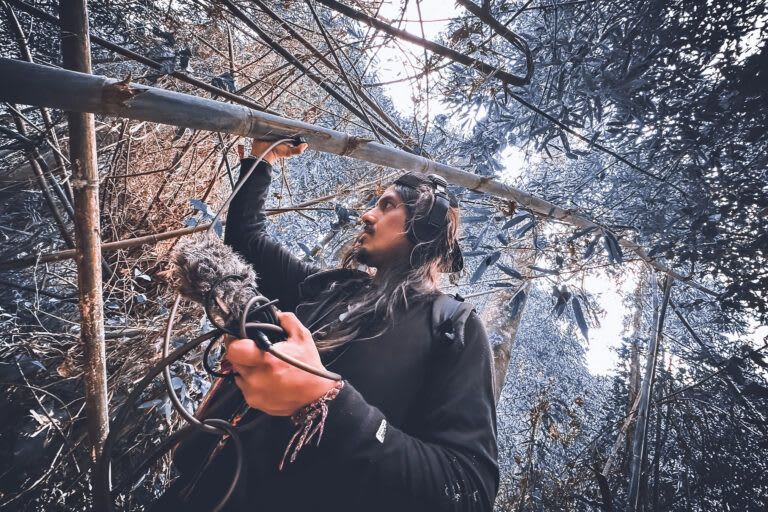
In the heart of the Amazon Rainforest, DJ Edwin Carrasco, known as Tayta Bird, is capturing the sounds of the wild. With the help of biologist Jhazel Quispe and producer Richard Bazán, he records the diverse sounds of the rainforest, from animal calls to the rustling of leaves. Their project, Nature Punk, seeks to reconnect people with nature through music, emphasizing the idea that humans are part of the ecosystem rather than separate from it.
The process of recording in the rainforest is both challenging and rewarding. Each microhabitat presents a unique soundscape, requiring careful planning and attention to detail. The team faced obstacles, including humidity and equipment issues, but their dedication led to a powerful collection of sounds that reflect the vibrancy of the Amazon.
The Power of Listening
Bird draws inspiration from the past, returning to the roots of music-making by simply listening to nature. He recalls the traditions of his grandparents, who would sit in the mountains and observe the world around them. This approach allows him to create music that is both futuristic and deeply rooted in tradition.
Through his work, Bird aims to inspire others to reconnect with nature. His music, which blends traditional folklore with electronic elements, offers a unique perspective on the relationship between humans and the environment. Species such as the giant otter, macaws, and the red howler monkey become symbols of this connection, inviting listeners to experience the richness of the Amazon Rainforest.
A Universal Experience
Whether in the concrete jungle of Frankfurt or the depths of the Amazon Rainforest, the fusion of nature and electronic music creates a space for connection and reflection. Eulberg and Bird both emphasize the power of music to transcend boundaries, bringing people together regardless of their differences. On the dance floor, everyone is equal, united by the rhythm and the shared experience of sound.
In this way, music becomes more than just entertainment; it becomes a means of exploration, a way to discover new perspectives and deepen our understanding of the world around us.

Post a Comment for "DJs of the Wild: Nature's Biodiversity Beat"
Post a Comment