
Don't Ignore Lawn Grubs—They Can Ruin Your Grass This Spring
Understanding Lawn Grubs and Their Impact
If you're noticing spongy brown patches on your lawn, it could be a sign of lawn grubs feasting on the roots of your grass. These pests are commonly found in the soil during late summer and can cause significant damage if left unchecked. Recognizing the signs of a grub infestation and knowing how to address it is essential for maintaining a healthy lawn.
What Are Lawn Grubs?
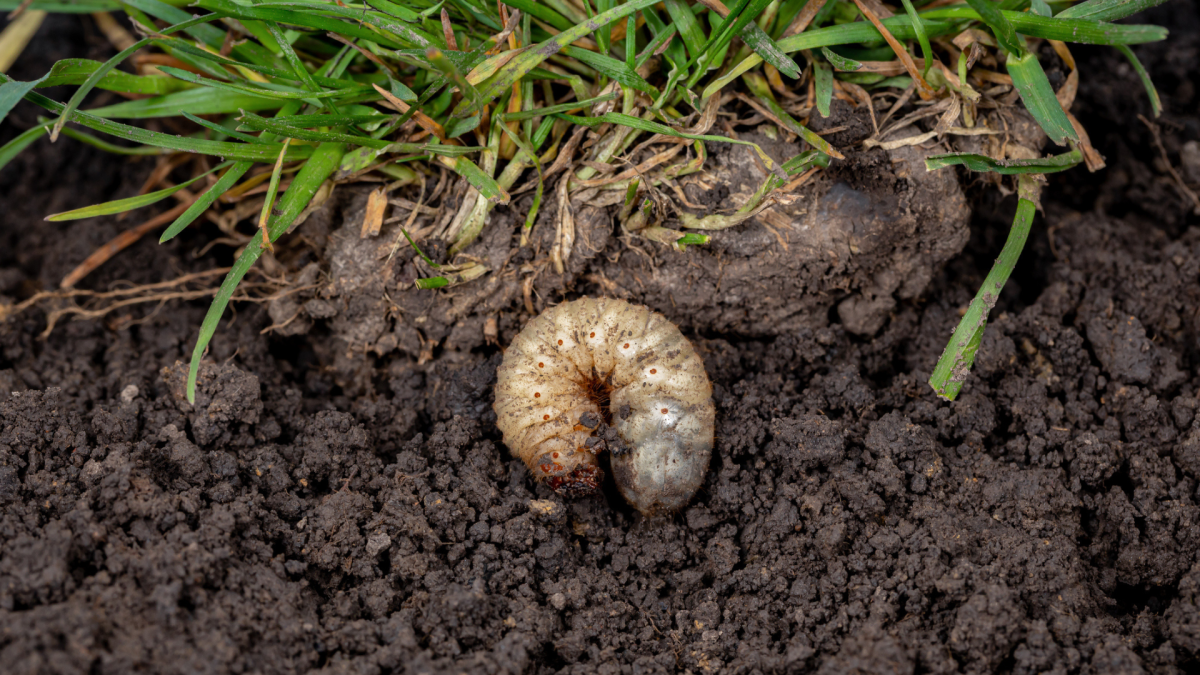
Lawn grubs are the larval stage of various beetle species, such as Japanese beetles, June bugs, or European chafers. These C-shaped larvae have a cream color with brown heads and small legs near their heads. They spend most of their time underground, feeding on grass roots and crowns, which can lead to visible damage on the surface.
Signs of Grub Infestations
There are several indicators that your lawn may be suffering from a grub problem. Look for patches of dead grass that feel spongy when you pull on them. These areas often lift easily from the soil due to the damaged root system. You might also notice increased animal activity, such as birds, moles, or raccoons, digging in these spots since they feed on grubs.
When Do Grubs Appear?
Grubs typically hatch from eggs laid by adult beetles in early summer. They emerge in late summer or early fall, beginning to feed on grass roots before moving deeper into the soil for the winter. In spring, they reemerge to continue feeding before entering the pupae stage and emerging as adult beetles in the early-to-mid summer.
How to Scout for Grubs
To confirm the presence of grubs, you'll need to dig into the soil. Take a one-foot square section of sod that's about four inches deep and inspect the soil for grubs. A few grubs are normal, but if you find more than five and your lawn is struggling, it's time to take action. If there are over 10 grubs per square foot, treatment is necessary.
Effective Methods for Removing Grubs
There are several options available to eliminate grubs from your lawn:
- Preventive Pesticides: Products like imidacloprid, thiamethoxam, or clothianidin can prevent new grubs from hatching but won’t kill existing ones.
- Curative Insecticides: These target existing grubs and should be applied in late spring before they enter the pupae stage.
- Beneficial Nematodes: Tiny parasites that attack grubs in the soil, killing them within a couple of days.
- Milky Spore: A bacterial disease that infects grubs and can provide long-term control, though it may take up to four years to see results.
Preventing Future Infestations
Taking proactive steps can help reduce the likelihood of future grub problems:
- Dethatch: Keep the thatch layer on your lawn under control to prevent grubs from using it as a food source.
- Aerate: Annual aeration improves soil health and makes your lawn less attractive to beetles.
- Mow Properly: Maintain a mowing height of three to four inches to encourage deep root growth.
- Choose Resistant Grasses: Tall fescue is more resilient to grub damage compared to other grass varieties.
When to Seek Professional Help
While many homeowners can handle minor infestations themselves, it’s best to call a professional if the problem is widespread. This includes cases where there are over 10 grubs per square foot or if a large portion of your lawn is affected.
The Role of Grubs in the Ecosystem
Although grubs can be harmful to lawns, they do serve an important role in the ecosystem by providing a food source for animals like birds. However, they don't benefit your lawn and only become problematic when their numbers are high enough to cause visible damage.
Natural Remedies for Grubs
Some people use Dawn dish soap as a natural remedy to kill grubs. The soap breaks down the outer layer of the grubs, allowing water to penetrate and drown them. Mix a tablespoon of Dawn with a quart of water and spray it on the affected area. Repeat as needed to ensure effectiveness.

Post a Comment for "Don't Ignore Lawn Grubs—They Can Ruin Your Grass This Spring"
Post a Comment