
Electric Boats Revolutionize Aquaculture Off Rural Maine's Shores
The Rise of Electric Boats in Maine’s Aquaculture Sector
At a dock along the Cousins River, Chad Strater prepared his small aluminum workboat for a day of maintenance at a nearby oyster farm. Unlike traditional vessels, this boat runs on electricity, eliminating the need for gas or diesel. Strater, who owns a marine construction business, is one of many in Maine exploring the benefits of electric propulsion. His decision to switch was driven by several factors, including environmental concerns and the desire for a quieter, cleaner operation.
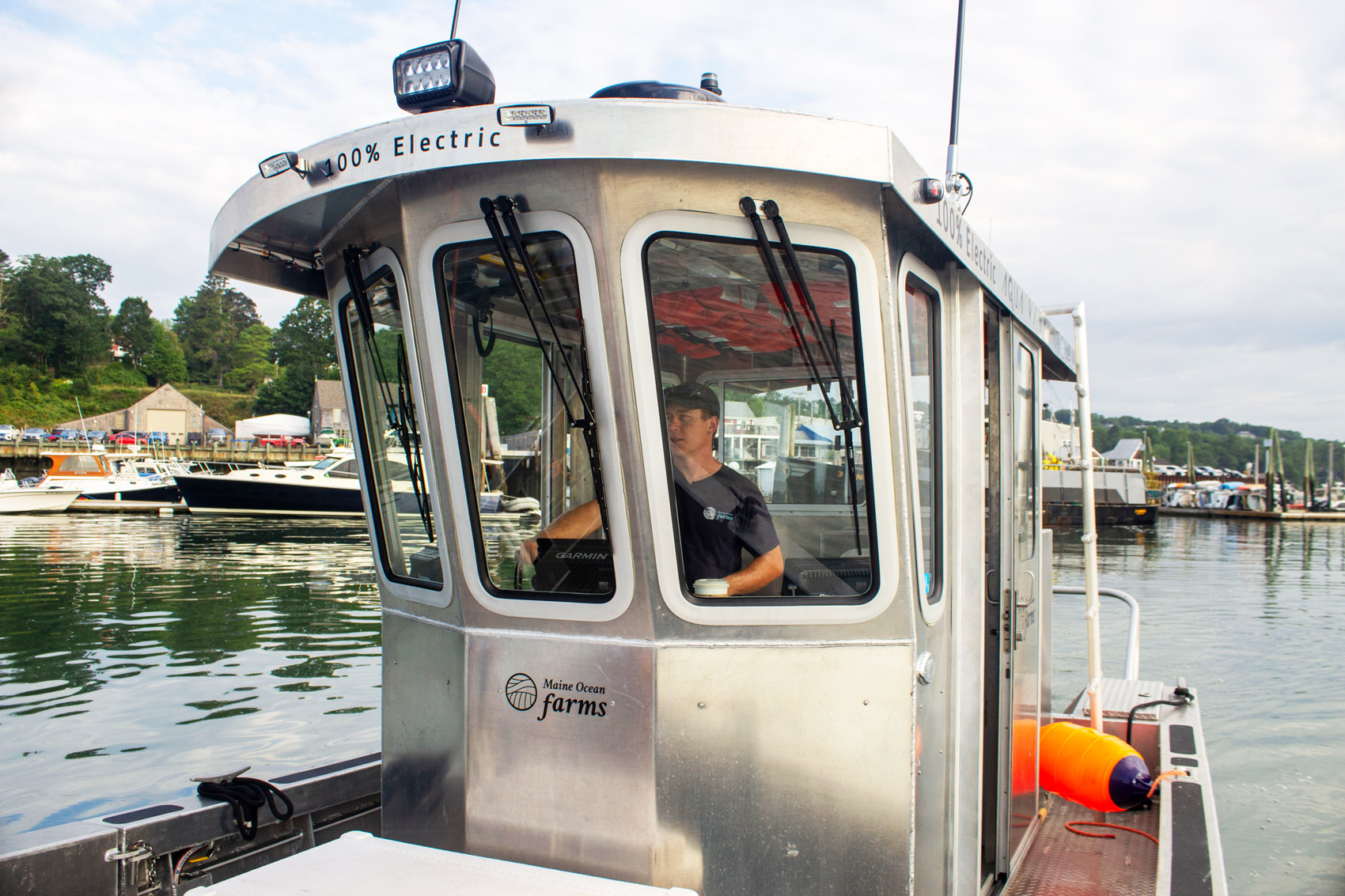
Just north of where the Cousins River meets Casco Bay, Willy Leathers was also making waves with his own electric watercraft. His 28-foot boat, used for cultivating oysters at Maine Ocean Farms, has been in operation since July. With over 3 million oysters growing in floating cages, Leathers’ venture highlights the potential for electric boats in aquaculture.
Both Strater and Leathers emphasized that their transition to electric propulsion was not just about reducing emissions but also about improving the experience of working on the water. Electric boats are significantly quieter than their petroleum-powered counterparts, which makes them ideal for operations near residential areas. For Leathers, being a good neighbor to the shoreline community was an added benefit.
The shift toward electric boats is gaining momentum globally, with countries like Norway and China leading the way. Falling battery costs, improved technology, and stricter environmental regulations have encouraged vessel owners to adopt cleaner alternatives. From small outboard motors on workboats to powerful inboard systems on ferries and supply vessels, the range of electric propulsion options is expanding rapidly.
In the United States, the aquaculture sector is beginning to embrace electrification. Maine, home to nearly 200 shellfish, fin fish, and seaweed farms, is at the forefront of this movement. Strater and Leathers are among the first to make the switch, hoping to inspire others in the industry. However, the transition is not without challenges.
Financial Barriers and Innovative Solutions
One of the main hurdles for electric boats is the higher upfront cost. Electric vessels can be 20% to 30% more expensive than comparable gas or diesel-powered boats. Despite this, long-term savings on fuel and maintenance can offset the initial investment. For example, Strater and his business partner Nick Planson reported that their electric boat would break even within four to five years and become more cost-effective over a 10-year period.
To address these financial barriers, both Strater and Leathers relied on grant funding. Strater used $50,000 from a U.S. Department of Agriculture small business grant to establish a use case for electric workboats in aquaculture. Leathers’ project received $289,000 from a U.S. Department of Energy grant, which covered boat building, propulsion systems, and charging infrastructure.
In addition to grants, other financial tools are emerging to support the transition. Coastal Enterprises Inc., a Maine-based organization focused on climate resilience, launched a “marine green” loan program to help small businesses afford the upfront costs of electric propulsion. These loans start at $25,000 and offer flexibility for businesses looking to make the switch.
Charging Infrastructure and Future Challenges
While the cost of electric boats is a concern, another major challenge is the lack of charging infrastructure. Rural waterfront communities often face limited access to grid power, making it difficult to install reliable charging stations. This issue is compounded by New England’s aging grid and the remote locations of many marinas.
Leathers noted that his boat, Heron, performs well in warm weather but faces limitations in colder conditions. Cold temperatures can reduce battery efficiency, affecting the boat’s range. As he continues to test the performance of his electric vessel, he aims to gather data that will help other aquaculture operators understand the practical implications of using electric boats year-round.
Strater and Planson also encountered similar challenges. Their boat, built in partnership with Flux Marine, needed to travel up to seven miles on a single charge. They learned that adjusting speed could extend the boat’s range, allowing them to complete tasks efficiently.
Looking ahead, Maine’s early adopters are working to expand charging infrastructure. A new Level 2 charger, capable of charging batteries in under two hours, will soon be installed at the Sea Meadow Marine Foundation. This development, supported by the startup Aqua superPower, represents a step forward in making electric boats more viable for commercial use.
A Growing Industry with Uncertain Funding
Despite these advancements, the future of electric boating in Maine remains uncertain. Federal funding for clean energy initiatives has faced cuts under the current administration, raising concerns about the availability of grants for future projects. The Department of Energy’s Office of Energy Efficiency and Renewable Energy, which funded Leathers’ project, is facing budget reductions that may limit its ability to support similar efforts.
However, local organizations and innovative financing models are helping to bridge the gap. The Island Institute, a nonprofit focused on marine-related energy transitions, is collecting data from electric boat operations to demonstrate their economic viability. Lia Morris, the institute’s senior community development officer, emphasized the importance of proving the business case for electric boats.
As the aquaculture industry grows, the need for reliable charging infrastructure will only increase. Expanding access to high-capacity chargers along Maine’s coastline will be essential for supporting the next wave of electric boat adoption.
A Model for the Future
For now, Strater and Leathers remain optimistic. Their experiences with electric boats serve as a model for others in the industry, showing that it is possible to operate sustainably while maintaining productivity. As they continue to refine their operations, they hope to inspire more aquaculture businesses to follow suit.
Leathers summed up the sentiment of many in the industry: “As a whole, I think it’s going to take proving that someone like us can do it. And then the next person kind of snowballing after that.”

Post a Comment for "Electric Boats Revolutionize Aquaculture Off Rural Maine's Shores"
Post a Comment