
Ethnic Studies Delayed by Funding and Political Battles in California Schools
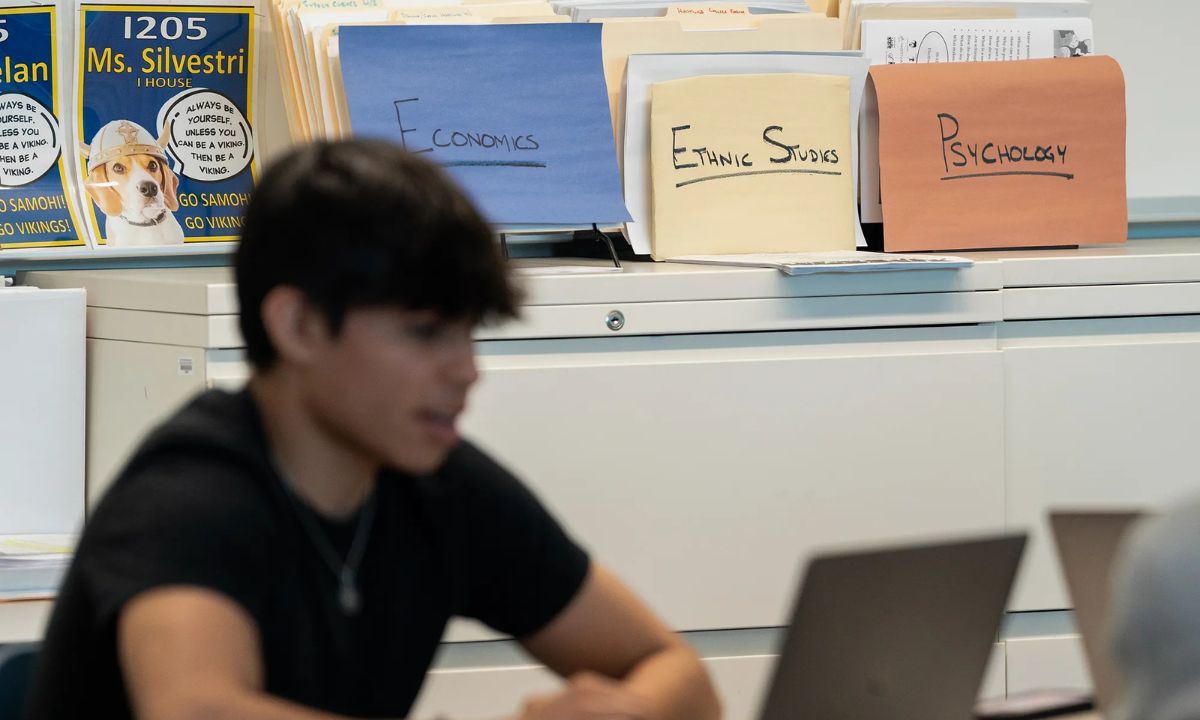
The Struggle for Ethnic Studies in California High Schools
In 2021, California passed a mandate requiring all high schools to offer ethnic studies—a one-semester class focused on the histories and experiences of marginalized communities. This initiative aimed to provide students with a more inclusive understanding of American history, covering the struggles and triumphs of African Americans, Asian Americans, Native Americans, and Latinos. However, the implementation of this mandate has been delayed due to a lack of state funding and growing political tensions.
The class was intended to be a graduation requirement starting with the Class of 2030. Despite the law being passed, the state never allocated money for the program. The Senate Appropriations Committee estimated that it would cost $276 million to hire and train teachers and purchase materials. Some school districts have used their own funds to begin offering the course, but many others are waiting for state support.
Controversies and Accusations
One of the main challenges facing ethnic studies is the controversy surrounding its content. Some educators have incorporated lessons on the Gaza conflict and other sensitive topics, leading to accusations of antisemitism in several school districts. These concerns have sparked broader debates about what should be included in the curriculum and how it should be taught.
Antisemitism has been on the rise in California, with hate crimes against Jewish people increasing significantly in recent years. In Los Angeles County, hate crimes against Jews rose by 91% last year. In response, some legislators have proposed bills to address antisemitism in public schools, including Assembly Bill 715, which aims to strengthen the discrimination complaint process and create a statewide coordinator for antisemitism.
Another bill, which failed, sought to place restrictions on the curriculum to prevent antisemitic content. However, these efforts have not resolved the underlying tensions, and many believe the ethnic studies mandate is now “on life support.”
Differing Perspectives
Critics of ethnic studies argue that the curriculum can be divisive and may contribute to further polarization in schools. Tab Berg, a political consultant, suggests that instead of creating a separate class, cultural understanding should be integrated into existing subjects like English and history. He believes that this approach would allow students to learn about different cultures without the risk of creating division.
Carol Kocivar, a former head of the state PTA, also thinks the ethnic studies program may be stalled indefinitely. She believes that until there is agreement on the ideological boundaries of the curriculum, it will be difficult to move forward on a broad scale. However, she supports the idea of integrating ethnic studies into existing classes rather than making it a standalone requirement.
Schools Moving Ahead
Despite the challenges, some school districts have continued to implement ethnic studies. In Orange County, nearly all high schools offer the class as an elective or in combination with required courses. Teachers use district-developed curricula that reflect the local community's diversity, including lessons on Vietnamese, Hmong, and Cambodian culture.
Marika Manos, manager of history and social science for the Orange County Department of Education, reports that student feedback has been overwhelmingly positive. Students see themselves represented in the curriculum and feel a stronger connection to the broader story of America.
Some districts are waiting for state funding, but many have found ways to fund the program through local resources. There have been instances of pushback, such as when two Jewish civil rights groups sued Santa Ana Unified over alleged antisemitic content in its curriculum. The district settled and revised its course materials.
A Polarized Political Climate
The national political climate has also played a role in the delays and controversies surrounding ethnic studies. Stanford professor Albert Camarillo notes that extremist groups have contributed to distrust in schools, particularly around issues like book bans and “woke” curricula. However, he remains hopeful that the current challenges will eventually be resolved.
Camarillo points out that the fight for ethnic studies has been ongoing for decades, beginning with student activists at San Francisco State in the 1960s. He believes that the curriculum can help students understand and appreciate each other, fostering empathy and communication.
A Special Class with Real Impact
In Oakland, Summer Johnson teaches ethnic studies at Arise High School, a charter school in the Fruitvale district. Her class covers topics like identity, bias, and cultural assets, and students engage in research, art projects, and discussions. Johnson emphasizes the importance of encouraging students to ask questions and have meaningful conversations.
She has not received complaints from parents, and while some students initially question the value of the class, they often come away with a deeper understanding of themselves and their peers. Johnson believes that ethnic studies is a powerful tool for building empathy and knowledge, and she hopes to see it expanded to all schools.
Ethnic studies has the potential to enrich students’ understanding of history and culture, but its implementation remains a complex and contentious issue. As the debate continues, the future of the program remains uncertain, but many remain committed to its goals.

Post a Comment for "Ethnic Studies Delayed by Funding and Political Battles in California Schools"
Post a Comment