
Experts Rave About This Easy Eye Lift Trick Without Surgery
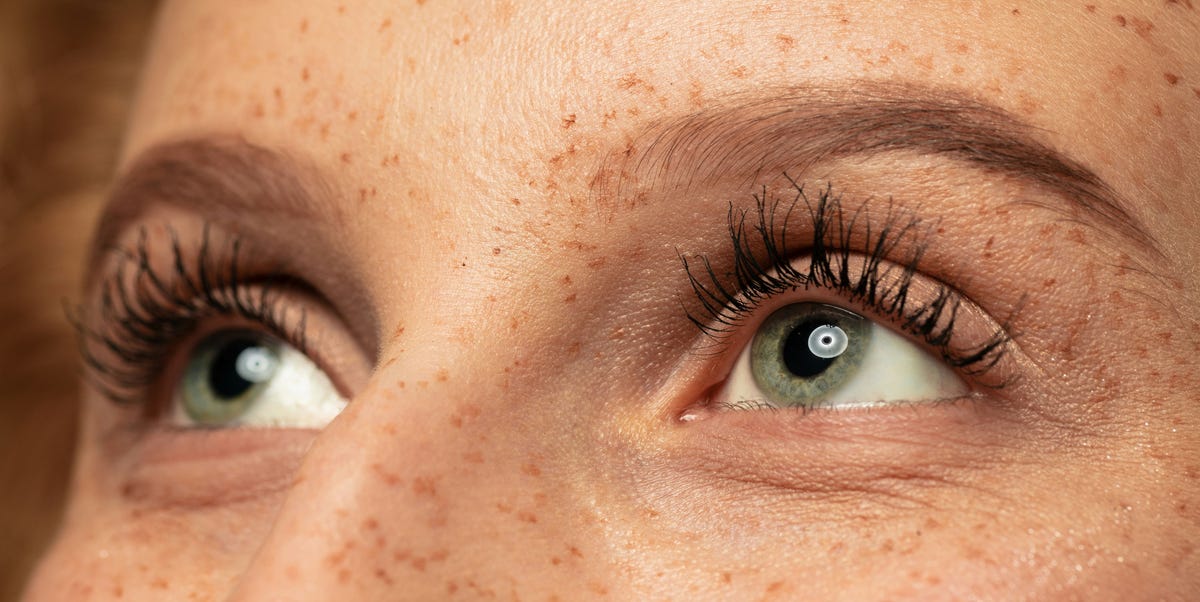
Understanding Lash Mapping and Its Benefits
Applying drugstore mascara is a quick and easy way to lengthen the appearance of your lashes and make them look thicker and bolder. However, sometimes mascara just doesn’t cut it. There have been countless times where I’ve clamped my lashes between a lash curler, applied layers and layers of mascara, and still thought that my lashes looked short and flat. I've even tried a lash lift to no avail. Needless to say, I was pretty frustrated and defeated. But then I discovered that there are other tools to help us accentuate the eyes and impart the thicker, fluffier lashes of my dreams—namely, lash extensions.
Lash mapping is an eyelash extension application technique that involves dividing the eye into sections and strategically placing extensions of varying lengths, thicknesses, curls, and colors in each section to achieve a specific look. It’s an art, as Clementina Richardson, a celebrity lash expert and founder of Envious Lashes in New York City, explains. The length of the extensions can vary a lot, but they most typically range anywhere from 5 millimeters to 15 millimeters. At Ogura’s salon, the most popular extensions are usually between 9 and 12 millimeters long, which are comparable to the length of a staple or the width of your pinky finger.
The diameter of extensions can vary too. They can be thinner or thicker than your natural lashes depending on your preference. Lash extensions that are intended to appear more natural, often called “classic lashes,” are usually between 0.12 to 0.20 millimeters thick. Meanwhile, volume fans, which are small bundles of lash extensions that are applied to a single lash to create more density along the lash line, are much thinner. Each lash in a fan tends to be between 0.03 and 0.07 millimeters thick.
Another aspect of lash extensions is their curl. Many lash artists use a standardized classification system using several letters to represent the shape and intensity of a lash curl. J curls tend to be considered the most natural-looking. The curl is subtle, soft, and flatter than other options. C curls create a noticeable lift in the lashes that mimic the look of using an eyelash curler—it’s the option that’s considered most standard and versatile. D or DD curls, meanwhile, are considered the most dramatic. They’re very curly and will go almost back up into your face.
Thanks to lash mapping, there are many ways that a lash artist can customize your extensions to achieve the style that’s perfectly suited for you. Gone are the days of simple, one-size-fits-all strip lashes!
How Lash Mapping Is Done
At a salon, a lash artist will create a lash map based on two factors: what’s most flattering for the client’s natural features and the client’s personal preferences. Once the artist and client come to an agreement, the artist will manually glue individual lashes made of synthetic fibers along the lash line. Many experienced lash artists can simply look at a client’s face and know how to accentuate their features, but some artists might literally write out a map on a piece of paper or on the gel pad that’s applied to the under-eye to keep the lower lashes out of the way.
When analyzing a client’s face for lash mapping, here are the main factors they’ll keep in mind:
- Eye Shape: This is the most important factor to keep in mind when deciding how to approach eyelash extensions. Once the eye shape is identified, the client and artist can work together to decide whether they want to enhance that natural shape or alter it in some way.
- Eye Orientation: Eye shape is just one piece of the puzzle when it comes to lash mapping. Another major factor is eye placement, or where your eyes are situated on your face in relation to your other features.
- Distance Between Lashes and Brow Bone: This one is pretty self-explanatory—for some people, there’s lots of space between the brow bone and lash line, which can make the eye appear more open. Those with less space between the two may have eyes that appear more compact.
- Your Natural Lashes: Just as you would keep in mind the state of your natural locks when deciding whether to get clip-in hair extensions or microlink hair extensions, lash artists will look at your natural lashes when creating your lash map.
Common Lash Extension Styles
Everyone’s eyes are unique, so there are quite literally infinite styles that lash mapping can help create. But to help break it down, imagine a spectrum: On the left side are super elongated, fierce, and tapered eyes, and on the right are very rounded, open, and bright eyes. Pretty much all lash mapping shapes fall somewhere along this spectrum.
Some common styles include:
- Cat Eyes: This lash map aims to mimic the snatched, elongated shape of the eye of a cat. It’s one of the most popular styles these days.
- Squirrel Eyes: This style sits in the elongated, cat eye family, but with a key twist. Like a cat eye, it starts with shorter extensions at the inner corner.
- Natural Eyes: This style of lash extensions aims to subtly enhance your lashes while closely following their natural growth pattern.
- Open Eyes: This is where you start reaching the opposite end of the extension spectrum, as this look is meant to make your eyes appear more rounded, wider, and open.
- Doll Eyes: Doll eyes are very similar to open eyes, and the style tends to be most flattering on the same eye shapes.
- Spiky or Wispy Eyes: This style is used to infuse texture into the lashes rather than a specific shape.
Can You Do Lash Mapping at Home?
Clearly, there are a lot of factors to consider when creating a lash map. So it’s totally fair if you want to leave it up to the professionals. But getting lash extensions done in a salon can be pricey, and it's a relatively large time commitment since they last for several weeks. The price of professional lash extensions will vary depending on your location, the experience of the artist you're working with, and the look you're trying to achieve.
Luckily, you can mimic the precision and customization of lash mapping in the comfort of your own home using do-it-yourself lash extensions. These are segments of extensions, or lash clusters, rather than full strips. And you can mix and match different lengths and thicknesses along your lash line in order to achieve a specific look. Some companies even sell lash extensions that are “pre-mapped” based on a certain style, like cat or doll eye.
No two eyes are exactly alike, which means DIY lash extensions won’t always deliver the same precision you’d get from a professional. What they do offer, though, is flexibility. You can use them to test out different styles before investing in a full set at the salon, or wear them as a budget-friendly way to extend the time between professional appointments. Or think of them as a test-run: They’re also a low-pressure way to play around and discover what lash styles flatter you the most.

Post a Comment for "Experts Rave About This Easy Eye Lift Trick Without Surgery"
Post a Comment