
Families of Chicago crime victims demand solutions, not military intervention
The Struggle Against Violence in Chicago
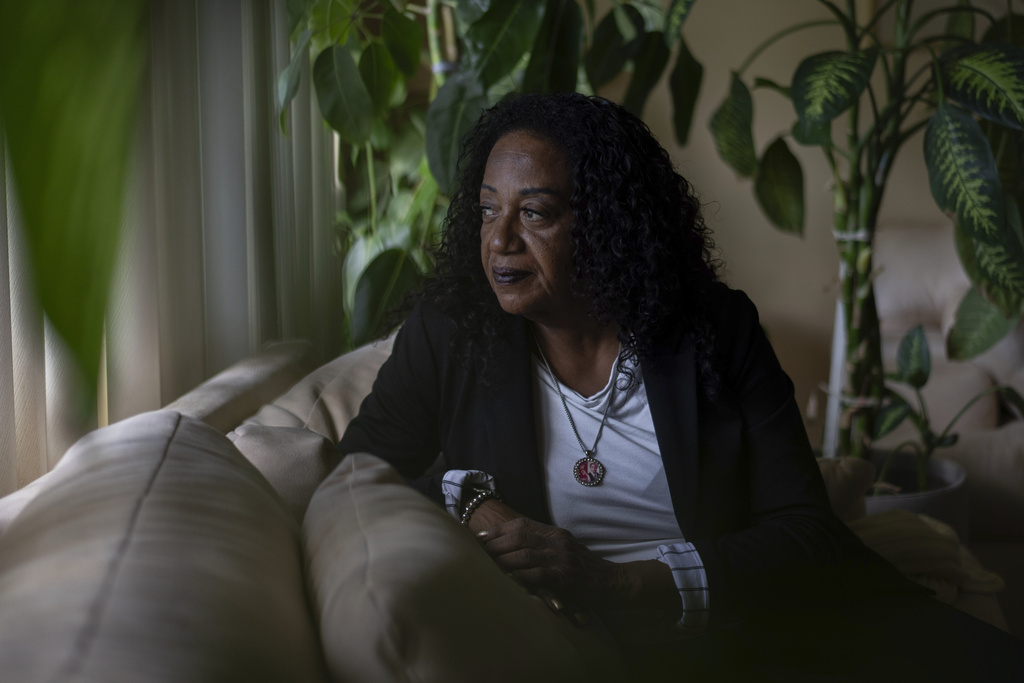
Delphine Cherry knows the pain of losing a loved one to violent crime better than most. In 1992, her teenage daughter was killed in a gang shootout in one of Chicago's wealthiest neighborhoods. Twenty years later, her son was also taken from her in a suburb just south of the city. “You don’t think it’s going to happen twice in your life,” she said.
Chicago has long been a city grappling with high rates of gun violence. The city is now bracing for President Donald Trump’s promise to deploy National Guard troops to tackle what he calls a “hellhole.” However, the details of the operation remain unclear. The administration has not disclosed when the deployment would start, how long it would last, or what role the troops would play in civilian law enforcement.
Trump has shown inconsistency in his stance on sending troops to Chicago. At times, he insisted he would act unilaterally, while at other points, he suggested sending them to New Orleans or another city where the governor “wants us to come in.” Recently, he indicated that Chicago might be next after National Guard troops are sent to Memphis.
Despite having one of the highest rates of gun violence among major U.S. cities, both city and state leaders strongly oppose the planned operation, calling it political theater. Even those directly affected by violent crime question whether sending in troops would have any lasting impact on reducing it.
National Guard Deployments Elsewhere Offer Clues
In Los Angeles and Washington, D.C., National Guard troops have been used in recent months, offering some insight into what could happen in Chicago. In June, thousands of Guard members were deployed to Los Angeles during protests over immigration policies. Initially assigned to protect federal property, they also assisted immigration agents during raids and participated in a show of force in a heavily immigrant neighborhood.
In August, Trump announced plans to place Washington’s police force under federal control and mobilize forces to reduce crime and homelessness. While troops patrolled Metro stations and tourist-heavy areas, they were also seen cleaning parks and picking up trash. The White House reported over 2,100 arrests in the first few weeks, and Mayor Muriel Bowser credited the deployment with a significant drop in crime. However, concerns arose about an unusually high rate of cases being dropped, raising questions about the thoroughness of investigations.
Washington is unique as a federal district, giving Trump the legal authority to take over local police for up to 30 days. Using troops in other Democratic-controlled cities would represent a major escalation.
Calls for More Funding Instead of Troop Deployment
Chicago leaders, including Mayor Brandon Johnson and Illinois Gov. JB Pritzker, have consistently pointed to a decline in crime and have urged more federal funding for prevention programs rather than troop deployments. Last year, the city had 573 homicides, or 21 per 100,000 residents, according to the Rochester Institute of Technology. That’s 25% fewer than in 2020 and lower than several other major U.S. cities.
Violent crime in Chicago isn’t evenly distributed, with most shootings occurring on the South and West sides. Yolanda Androzzo, executive director of One Aim Illinois, criticized the Trump administration for cutting $158 million in federal funding for violence prevention programs this year.
Victims Doubt Troop Deployment Will Help
Delphine Cherry, who lost two children to gun violence, doesn’t believe deploying troops will make a difference. “They’re not going to ask questions,” she said. “They are trained to kill on sight.”
Trevon Bosley, whose brother was shot and killed in 2006, also believes that better funding and community support are needed. “There are communities that need help. When those resources are provided, they become just as beautiful as downtown,” he said.
Both Cherry and Bosley argue that the National Guard and police only respond after crimes occur, not before. They believe real change comes from addressing root causes like poverty and lack of resources in high-crime areas.
A City in Need of Real Solutions
While the Trump administration continues to push for military-style interventions, many in Chicago see these efforts as misguided. For those who have experienced the loss of loved ones to violence, the solution lies not in the presence of troops, but in investing in communities and addressing the underlying issues that fuel crime.

Post a Comment for "Families of Chicago crime victims demand solutions, not military intervention"
Post a Comment