
Follow These Tips to Make Your D&D Kingdom Politics Realistic
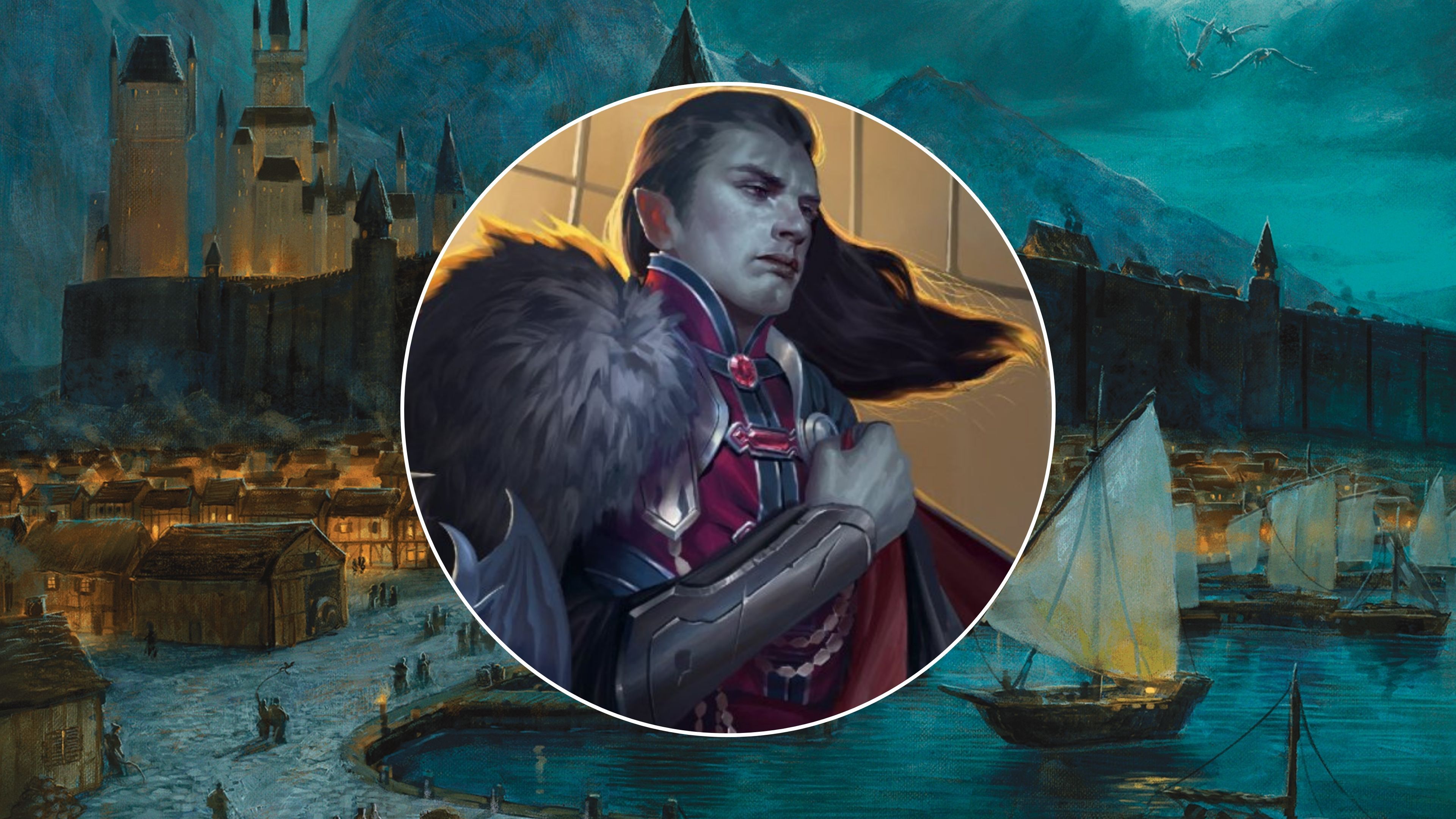
Understanding the Role of Politics in Dungeons & Dragons Campaigns
Politics plays a significant role in shaping narratives, often more than people realize. This is especially true in medieval fantasy settings, where kingdoms, empires, and various factions are central to the story. In a Dungeons & Dragons campaign, politics naturally comes into play, particularly at higher levels of gameplay. However, ensuring that these political elements feel authentic and engaging can be a challenge.
How can you make an evil emperor or a powerful antagonist seem like a real leader rather than just a cartoonish villain? How do you create a world where each nation behaves as if it were part of a living, breathing society? While much of this depends on your writing skills, there are several strategies you can use to bring depth and realism to your campaign’s political landscape.
Grounding Political Motivations
One of the most important aspects of creating believable political systems is grounding them in realistic motivations. Most nations, whether in a high fantasy setting or a more grounded world, revolve around basic needs such as survival, economic stability, and security. When building your world, consider what drives each region or city.
For example, a city located near a river might focus on fishing and trade, while a mining city could be centered around magical resources used for weapons or other purposes. These practical considerations can serve as the foundation for the political dynamics within the region. Even in a fantastical setting, these elements can add depth and authenticity.
Starting Small with World-Building
When designing a campaign, it's wise to start small. Begin with cities or villages rather than trying to build an entire empire from the ground up. This approach allows players to become familiar with the political structures and key figures in a manageable way. As the campaign progresses, you can gradually expand the scope, connecting smaller regions to larger powers.
Starting with a local government gives players a tangible point of reference. They can interact with local leaders, understand the rules of the area, and see how different factions influence daily life. This provides a solid foundation for more complex political interactions later on.
Focusing on People and Their Motivations
At the heart of any political system are the individuals who shape it. Understanding why characters act the way they do is crucial. Consider the motivations of key NPCs—whether they are rulers, religious leaders, merchants, or members of secret organizations.
Are they driven by power, ideology, or personal gain? Do they follow strict laws, or do they bend them for their own benefit? Each character should have a clear set of goals and methods, which helps create a more dynamic and believable world.
Making Characters Believe in Their Own Causes
Even the most villainous characters should have a reason for their actions. While their motives may be flawed or morally questionable, they should believe they are acting in the best interest of their people or ideals. This adds complexity and makes them more than just one-dimensional antagonists.
Each key figure in your campaign should think they are the hero of their own story. They may view their enemies as misguided or ignorant, even if their actions cause harm. This perspective can lead to rich storytelling opportunities and deeper character interactions.
Hiding Personal Agendas
Political figures often have hidden agendas that they keep secret from the public. It's important to establish not only their goals but also how they plan to achieve them. Some aspects of their plans may be public, while others are carefully concealed.
Consider how these characters present themselves to the public versus how they behave behind closed doors. This contrast can create tension and intrigue, adding layers to the narrative and giving players more to explore.
Using Culture to Shape Political Dynamics
Culture plays a major role in shaping political systems. Traditions, customs, and moral values can influence how leaders govern and how different groups interact. For example, a dwarven kingdom that has a long-standing conflict with elves may have policies that reflect this animosity.
These cultural influences can drive political decisions and create conflicts that players can engage with. By incorporating these elements, you can create a more immersive and cohesive world.
Creating Multiple Factions
Introducing multiple factions adds depth to your campaign. These can include religious groups, merchant guilds, noble families, and even criminal organizations. Each faction will have its own goals, alliances, and rivalries.
Factions don't need to be formal organizations; they can be loose networks of individuals working toward similar objectives. The interactions between these groups can create opportunities for intrigue, negotiation, and conflict, enriching the overall experience.
Acknowledging Flaws in All Sides
No side in a political struggle is perfect. Even well-intentioned factions may have flaws that affect their decisions. For example, a group that aims to protect the common people may have to make unpopular choices that negatively impact certain groups.
This balance of strengths and weaknesses makes the political landscape more realistic and relatable. It also allows for more nuanced storytelling, where no single faction is entirely right or wrong.
Giving Players Real Influence
The players are the center of the story, so it's essential to give them meaningful influence over the political landscape. Whether they are hired by different factions, uncover secrets, or form alliances, their choices should have real consequences.
As the campaign progresses, show how different factions react to the players' actions. Some may try to win them over, while others may seek to undermine them. This interaction creates a dynamic and evolving narrative.
Showing the Consequences of Player Actions
Finally, it's important to highlight the impact of the players' choices. When they take sides or make decisions, they can shift the balance of power in the world. This can lead to new opportunities, conflicts, and challenges.
By showing how different characters and factions respond to the players' actions, you reinforce the importance of their role in the story. This creates a sense of agency and investment, making the campaign more engaging and memorable.

Post a Comment for "Follow These Tips to Make Your D&D Kingdom Politics Realistic"
Post a Comment