
Fort Bragg's Dark Secrets Revealed After 9/11
The Hidden Crisis at Fort Bragg
In 2020 and 2021, a disturbing number of U.S. soldiers lost their lives at Fort Bragg, the largest military base in the country and home to key Special Operations Units. A total of 109 soldiers died during that period, with only four of them serving on overseas deployments. The remaining deaths occurred within the United States, often due to drug overdoses, violence, or suicide. This trend has not improved significantly, as recent data reveals that another 51 soldiers died at Fort Bragg in 2023. These numbers represent more military fatalities than those caused by enemy forces in any year since 2013.
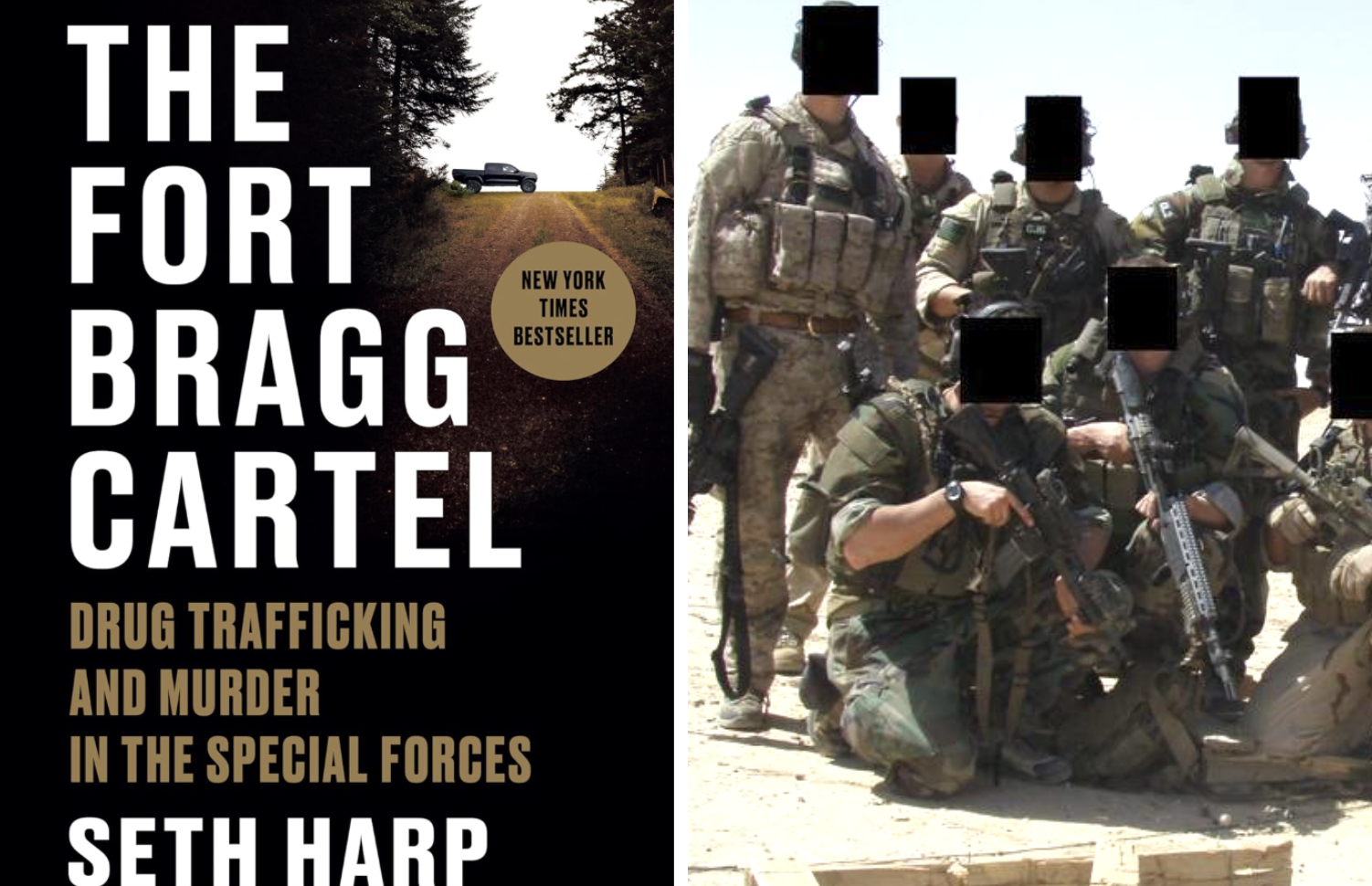
A new book titled “The Fort Bragg Cartel: Drug Trafficking and Murder in the Special Forces” by Seth Harp delves into the culture that led to these tragic outcomes. The book is structured around two main narratives. The first is an investigative account of several Special Operations soldiers who became entangled in criminal networks. One of the most compelling stories is that of William Lavigne, a Delta Force operator who joined an international drug cartel and was later murdered under mysterious circumstances. This part of the book reads like a gripping true crime thriller, contributing to its popularity and adaptation for an HBO miniseries.
However, the second narrative in the book is arguably more significant. Harp connects individual soldier stories to a broader examination of the War on Terror, which began after the 9/11 attacks. He explores how the U.S. military shifted from large-scale infantry deployments to the use of smaller, highly trained Special Forces units. This change made the conflict less visible to the public but had a profound impact on those involved.
The Evolution of Warfare
After the Iraq War ended around 2007-2008, the focus of the War on Terror faded from public attention. Yet, its influence persists, especially with the resurgence of similar tactics in the context of the fight against drug cartels. Harp highlights how the military adopted a new form of warfare, characterized by covert operations and targeted assassinations. This approach is described as an industrialized process of personalized killing, where targets are tracked, eliminated, and their belongings used to generate more names for future operations.
Harp details the F3EAD cycle, a strategy developed by General Stanley McChrystal, which involves tracking, fixing, finishing, exploiting, analyzing, and disseminating information. This method often resulted in the killing of entire male populations in communities resisting U.S. military presence. The author argues that this approach has created a moral and psychological burden on the soldiers involved, leading to physical and emotional tolls.
The Human Cost
The personal costs of these operations are vividly portrayed through interviews with women connected to the soldiers. Mothers, sisters, wives, and girlfriends describe the emotional changes in their loved ones. One particularly harrowing story involves a soldier’s dog, which was trained to attack and had become accustomed to feeding on human flesh. The sister of one soldier asked why the dog had no teeth, and the answer revealed the grim reality of the operations.
There is also a culture of impunity around Fort Bragg, where domestic abuse and sexual assault often go unchecked. Harp suggests that the routine use of prescription amphetamines and opioids among soldiers contributed to substance abuse issues, which in turn led some to become drug traffickers. He also links the increase in U.S. opioid use to the War on Terror, pointing to the resurgence of heroin production in Afghanistan under a corrupt government.
The Impact of New Warfare Strategies
Harp’s analysis extends to Operation Inherent Resolve, the U.S. campaign against ISIS beginning in 2014. He claims that the scale of this operation was larger than officially acknowledged, highlighting the effectiveness of the new Special Operations-based warfare. This shift allows the military to conduct high-intensity conflicts with minimal personnel, raising concerns about transparency and oversight.
While some of Harp’s claims may be controversial, the book remains a groundbreaking exploration of the transformation of the U.S. military and its impact on soldiers and their families. It sheds light on the hidden crisis at Fort Bragg and the broader implications of modern warfare strategies.

Post a Comment for "Fort Bragg's Dark Secrets Revealed After 9/11"
Post a Comment