
From 'Lawrence of Arabia' to 'Dune': Jordan's Filmic Odyssey
Jordan's Cinematic Legacy: A Land of Endless Scenery and Storytelling
Jordan has long been a favored destination for filmmakers seeking unique and breathtaking locations. From the dramatic sandstone cliffs of Wadi Rum to the ancient carvings of Petra and the vibrant streets of Amman, the country offers a rich tapestry of landscapes that have captivated audiences around the world. With support from the Royal Film Commission, generous rebates, and royal patronage, Jordan has become an essential partner in the production of some of cinema’s most iconic films.
Iconic Films Shot in Jordan
Lawrence of Arabia (1962)
Directed by David Lean, this Oscar-winning epic is considered one of the greatest films in cinematic history. The film’s vast desert landscapes, particularly those of Wadi Rum, provided a real-world backdrop that added authenticity to the story of T.E. Lawrence. This film not only put Jordan on the map for filmmakers but also established the country as a go-to location for epic desert settings.
Indiana Jones and the Last Crusade (1989)
This blockbuster featured one of its most memorable scenes at Petra’s Al Khazneh, where it was used as the entrance to the Holy Grail’s resting place. The exposure helped transform Petra into a global icon and significantly boosted tourism in the region.
Dune (2021/Part Two, 2024)
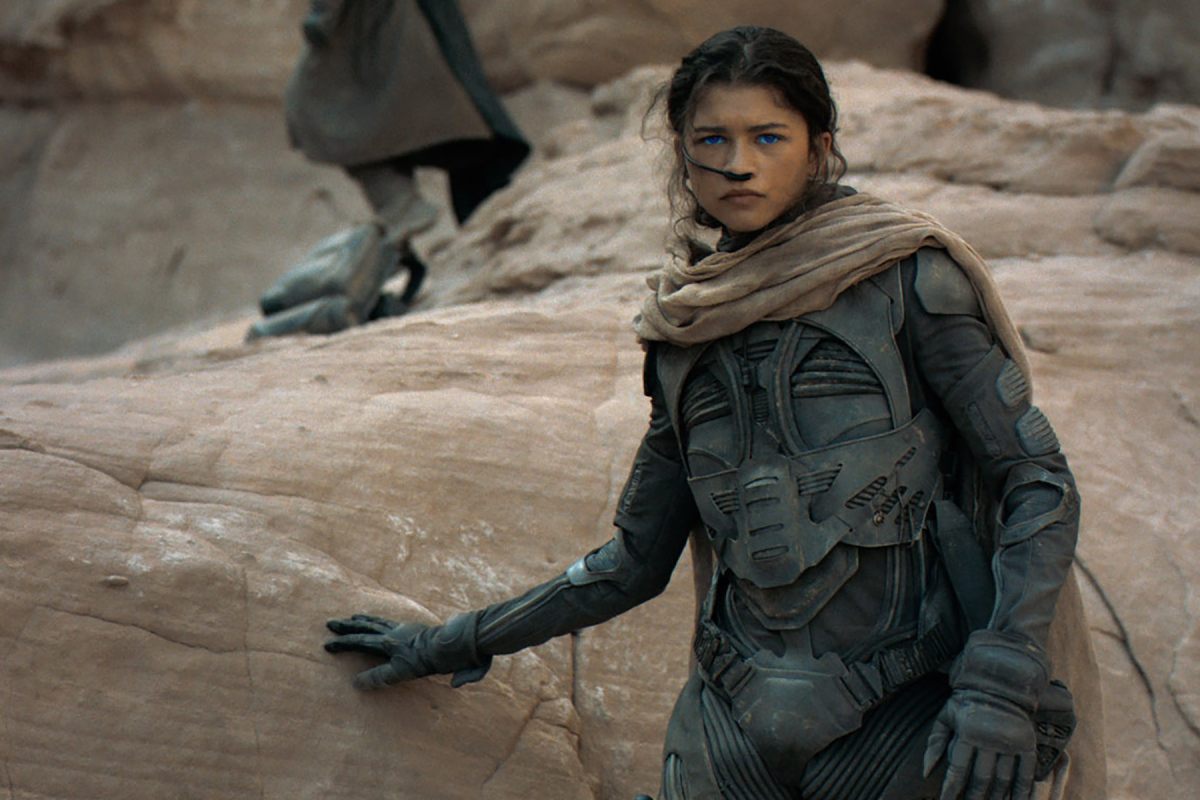
Denis Villeneuve’s “Dune” trilogy utilized Jordan’s Wadi Rum to portray the desert planet Arrakis. The natural beauty of the area required minimal CGI, reinforcing Jordan’s reputation as a prime location for big-budget productions.
Prometheus (2012)
Ridley Scott chose Wadi Rum as the setting for the alien world of LV-223. The rugged terrain provided a realistic and visually stunning backdrop for the film’s sci-fi elements.
Zero Dark Thirty (2012)
Kathryn Bigelow’s thriller filmed extensively in Jordan, including a replica of Osama bin Laden’s compound in Abbottabad. The country’s stability and cooperation allowed for the recreation of sensitive sequences that could not be shot elsewhere.
Theeb (2014)
This Jordanian film, directed by Naji Abu Nowar, showcases the country’s ability to tell compelling stories rooted in local tradition. It received international acclaim, including an Oscar nomination and a BAFTA award.
The Martian (2015)
Ridley Scott once again turned to Wadi Rum to represent the harsh terrain of Mars. The film’s success highlighted Jordan’s role in space-themed productions and left a lasting legacy with the rover displayed in the Royal Automobile Museum.
All the Money in the World (2017)
Scott returned to Wadi Rum for this true-crime drama, using the desert as a stand-in for Middle Eastern landscapes. The film showcased the reliability of Jordan’s crews and logistical support.
Aladdin (2019)
Guy Ritchie’s live-action remake of “Aladdin” used Wadi Rum to create the mythical realm of Agrabah. The location’s natural beauty complemented the film’s lavish visuals and helped bring the story to life.
Jinn (2019)
Netflix’s first Arabic-language series was entirely filmed in Jordan, with Petra’s ruins serving as a backdrop for its supernatural storyline. The show marked a milestone in showcasing Jordan’s creative talent and cultural heritage on a global platform.
Conclusion
Jordan’s diverse landscapes, supportive film industry, and rich cultural heritage continue to attract filmmakers from around the world. Whether it’s for epic adventures, sci-fi spectacles, or intimate dramas, the country offers a unique blend of authenticity and creativity that continues to shape the cinematic world. As more productions choose Jordan as their backdrop, the nation solidifies its place as a key player in the global film industry.

Post a Comment for "From 'Lawrence of Arabia' to 'Dune': Jordan's Filmic Odyssey"
Post a Comment