
Georgia's state reptile receives exciting update
Georgia Gopher Tortoise Initiative Reaches Major Conservation Milestone
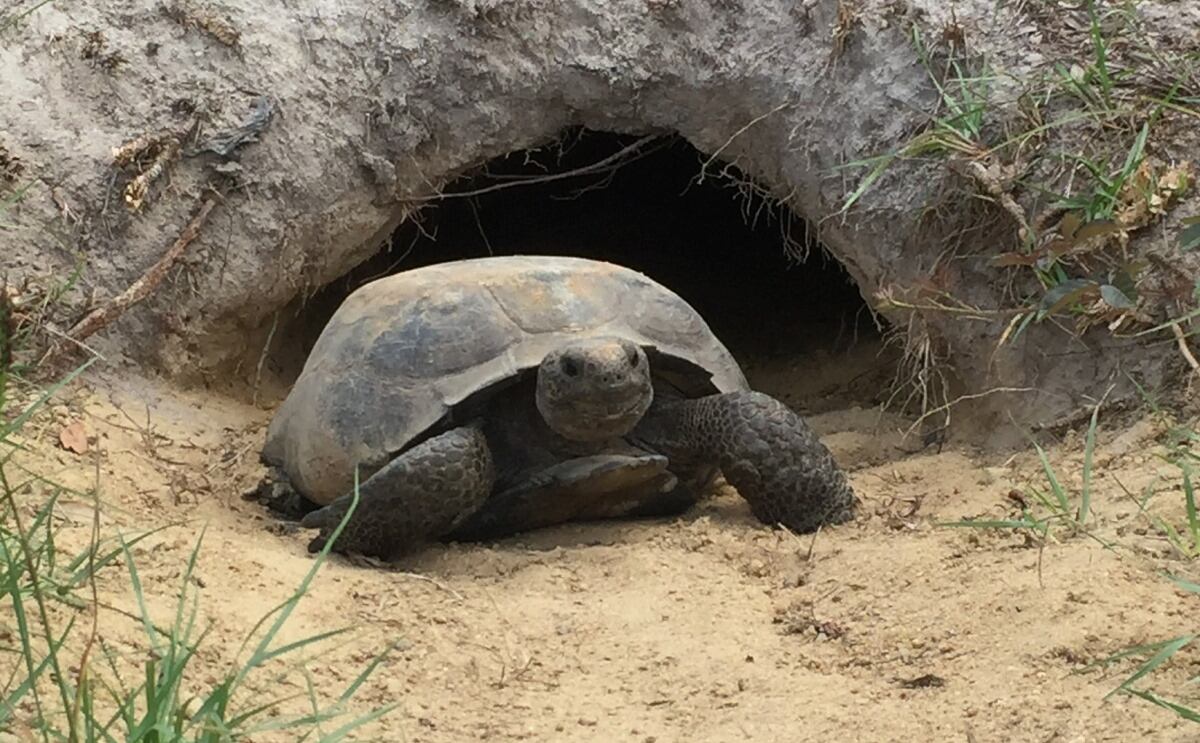
The Georgia Gopher Tortoise Initiative has successfully achieved its goal of permanently protecting 65 viable populations of the state’s official reptile, according to a recent announcement from the Georgia Department of Natural Resources (DNR) Wildlife Resources Division. This accomplishment marks a significant step in ensuring the survival of the gopher tortoise, a species known for its unique burrowing habits and ecological importance.
The initiative, which was launched in 2015, brings together a wide range of stakeholders including government agencies, conservation organizations, private landowners, and corporations. The effort aims to prevent the gopher tortoise from being listed under the federal Endangered Species Act, while also preserving critical habitats across southern Georgia.
One of the most recent achievements involves an easement that will conserve over 250 gopher tortoises and their pineland habitats on 1,210 acres near Cordele, Georgia. This is the 65th such protected area, meeting the initiative’s target. According to DNR Commissioner Walter Rabon, avoiding federal listing not only helps protect wildlife but also prevents potential economic impacts for the state. He emphasized the value of collaboration in achieving successful conservation outcomes.
A Collaborative Approach to Conservation
The initiative has grown significantly since its inception, now involving nearly 30 agencies, organizations, companies, and private landowners. The U.S. Fish and Wildlife Service, one of the founding members, noted in its 2022 decision that partnerships have played a crucial role in conserving the species. The agency highlighted documented populations that were previously unknown, showcasing the effectiveness of these collaborative efforts.
Austin McKinney of Newnan recently signed an easement with the USDA Natural Resources Conservation Service to benefit gopher tortoises on his family-owned land. The property, located on the Turner/Crisp County line, has been in the family for over a century. Its rich longleaf pine forests and unique Altamaha grit sandstone make it an ideal habitat for wildlife. McKinney expressed his commitment to preserving the land and improving habitats for native species.
Ecological Significance of the Gopher Tortoise
Gopher tortoises are found in the Coastal Plain region, stretching from South Carolina to Louisiana. These large, dome-shaped turtles are the only land tortoise in the eastern United States and play a vital role as a keystone species. Their burrows provide shelter for more than 300 other animal species, including the federally threatened eastern indigo snake.
Habitat loss has posed a significant threat to gopher tortoises, leading to concerns about their potential listing under the Endangered Species Act. In 1987, tortoises in Louisiana, Mississippi, and western Alabama were listed as threatened. Until 2022, those in Georgia and other parts of their range had been considered candidates for listing for over a decade.
When the initiative was formed a decade ago, only 36 of the 125 known viable populations in Georgia were protected. Research indicated that at least 65 populations would be needed to ensure the species’ long-term survival in the state. The minimum requirement for a self-sustaining population is 250 adult tortoises.
Expanding Conservation Efforts
To meet these goals, the initiative focused on conserving 100,000 acres of habitat in south Georgia and restoring longleaf pine ecosystems, which are essential for gopher tortoises. This has involved range-wide surveys, coordination with landowners and nonprofits, strategic planning, and securing support from various sources, including foundations, federal grants, and the U.S. Defense Department.
Notable results include acquisitions such as the Ceylon and Alapaha River wildlife management areas, as well as conservation easements on private lands like McKinney’s property. Biologists also work with developers to minimize the impact of their projects on tortoises and their burrows.
Looking Ahead: Ongoing Challenges and Opportunities
While the achievement of 65 protected populations is a major milestone, there is still more work to be done. Matt Elliott, Wildlife Conservation Section chief with the DNR Wildlife Resources Division, emphasized that conserving species and habitats is a long-term endeavor requiring continued management, such as prescribed burning and habitat restoration.
Elliott also highlighted the importance of the many individuals and organizations that contributed to the initiative, calling it a highlight of his career. He noted that the lessons learned can be applied to help other species and wildlife groups, potentially leading to the development of conservation corridors.
Key Partners in the Initiative
The Georgia Gopher Tortoise Initiative includes a diverse group of partners, such as:
- Athens Land Trust
- Bobolink Foundation
- Georgia-Alabama Land Trust
- Georgia Chamber of Commerce
- Georgia Conservancy
- Georgia Department of Transportation
- Georgia Forestry Commission
- Georgia Power
- Georgia Wildlife Federation
- Knobloch Family Foundation
- Open Space Institute
- Pattillo Industrial Real Estate
- R. Howard Dobbs Jr. Foundation
- Robert W. Woodruff Foundation
- Southern Power
- Tall Timbers
- The Conservation Fund
- The Jones Center at Ichauway
- The Nature Conservancy
- The Orianne Society
- Turner Foundation
- U.S. Endowment for Forestry and Communities
- U.S. Forest Service (Forest Legacy Program)
- WildArk
About the Gopher Tortoise
The gopher tortoise is federally listed as threatened in Louisiana, Mississippi, and western Alabama. In other regions, it is protected by state law. As a keystone species, the gopher tortoise plays a crucial role in maintaining biodiversity through its burrowing activities. The eastern indigo snake, another priority species in Georgia’s State Wildlife Action Plan, relies on these burrows for overwintering.
This ongoing effort underscores the importance of collaboration and long-term commitment in wildlife conservation. With continued support and management, the gopher tortoise and its ecosystem can thrive for future generations.

Post a Comment for "Georgia's state reptile receives exciting update"
Post a Comment