
How a Mass Shooting and Fire Unraveled at a Michigan Church
A Tragic Attack on a Place of Worship
Nestled beneath the towering spires of every Church of Jesus Christ of Latter-day Saints chapel lies a simple yet powerful message: “Visitors welcome.” This invitation reflects the church’s long-standing commitment to outreach and community engagement. However, this promise of openness was shattered on a Sunday morning in Grand Blanc Township, Michigan, when a former Marine and Iraq War veteran turned his anger into violence.
The attack unfolded with devastating consequences. The assailant, Thomas Jacob Sanford, drove his truck into an LDS church, opened fire on worshippers using an assault weapon, and set the chapel ablaze. At least four people were killed, eight others were injured, and up to seven individuals remain unaccounted for as search crews comb through the wreckage.
Sanford died during a confrontation with law enforcement, but the motives behind the attack remain unclear. Federal authorities are investigating the incident as an act of targeted violence, with the FBI conducting searches at the suspect’s residence and family homes. According to White House spokesperson Karoline Leavitt, the FBI believes the attacker had a deep-seated hatred for the Mormon faith. Investigators are working to determine how premeditated the attack was and whether any notes or clues were left behind.
This tragedy is part of a growing pattern of gun violence that has affected places of worship across the United States. From a Catholic church in Minneapolis to a synagogue in Pittsburgh and a Sikh temple in Wisconsin, houses of worship have become targets of senseless acts of violence. These attacks highlight a disturbing trend that continues to challenge the safety of communities nationwide.
A Day of Faith and Sorrow
The attack occurred on what the church refers to as a “fast Sunday,” a time when members are encouraged to forgo meals and donate food or money to those in need. It was also a day marked by grief, as the leader of the Church of Jesus Christ of Latter-day Saints, President Russell M. Nelson, had passed away just one day earlier.
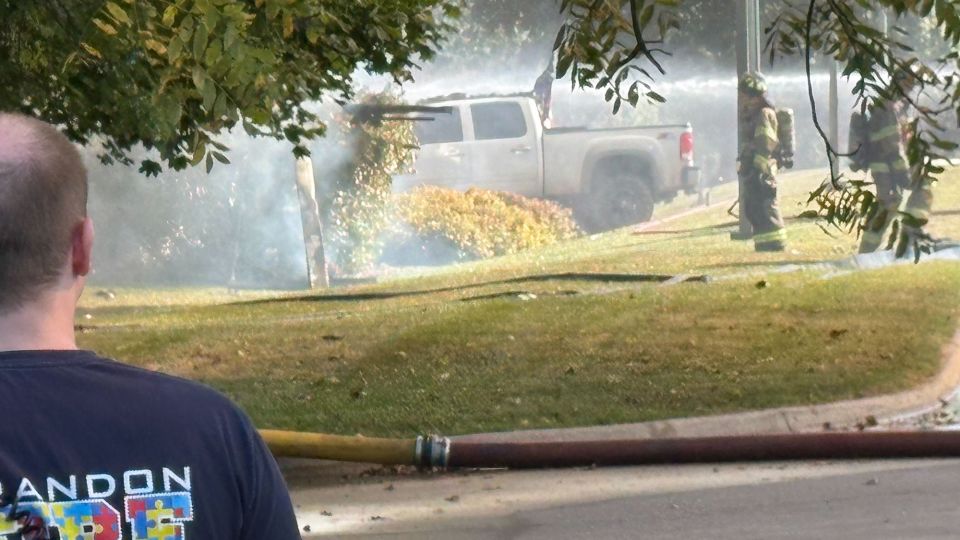
As congregants gathered for their 10 a.m. service, the peaceful atmosphere was abruptly shattered. Paula, a churchgoer, described hearing a loud bang followed by the doors flying open. A four-door pickup truck, adorned with American flags, crashed into the front of the chapel. Sanford then fired multiple rounds from an assault weapon, sending panic through the congregation.
Brian, another witness, recounted trying to help elderly women into his car when the shooting began. He said he saw the shooter emerge from the building and immediately started driving away. Others rushed to protect children, shielding them and moving them to safety.
A Community in Shock
The chaos was compounded by a fire that broke out in the chapel’s red brick meeting house. Cindy Walsh, who was at home nearby, described seeing smoke billowing from the building and witnessing people fleeing the scene. The fire spread rapidly, engulfing the chapel and creating thick plumes of black smoke.
Law enforcement arrived within minutes, and a tense standoff ensued. Police engaged the suspect in gunfire, and Sanford was killed in the parking lot. Despite the swift response, the fire continued to rage, making it difficult for victims to escape.
Search crews worked tirelessly throughout the night, sifting through debris in hopes of finding additional survivors or remains. Authorities believe up to seven people may still be missing, though the exact number remains unknown.
A Devastated Community
The chapel, once a symbol of hope and community, is now a total loss. The building has been reduced to rubble, with debris replacing the pews and the welcoming meeting house now closed. The tall white spire that once reached toward the sky has been destroyed, leaving a haunting reminder of the tragedy.
In the wake of the attack, the LDS community in Grand Blanc is grappling with profound grief. Many are struggling to comprehend how such violence could occur in a place meant for peace and reflection. As the investigation continues, the question of why this happened lingers, echoing through the town and beyond.
First responders and local residents alike are working to support the victims and their families. Nurses on strike at a nearby hospital even left their picket lines to assist in the aftermath, emphasizing the importance of human life over labor disputes.
This tragic event serves as a painful reminder of the ongoing challenges posed by gun violence and hate in America. As the community begins the long process of healing, the lessons learned from this attack will undoubtedly shape future efforts to prevent such tragedies from occurring again.

Post a Comment for "How a Mass Shooting and Fire Unraveled at a Michigan Church"
Post a Comment