
How Wine Affects Your Heart, Expert Insights Revealed
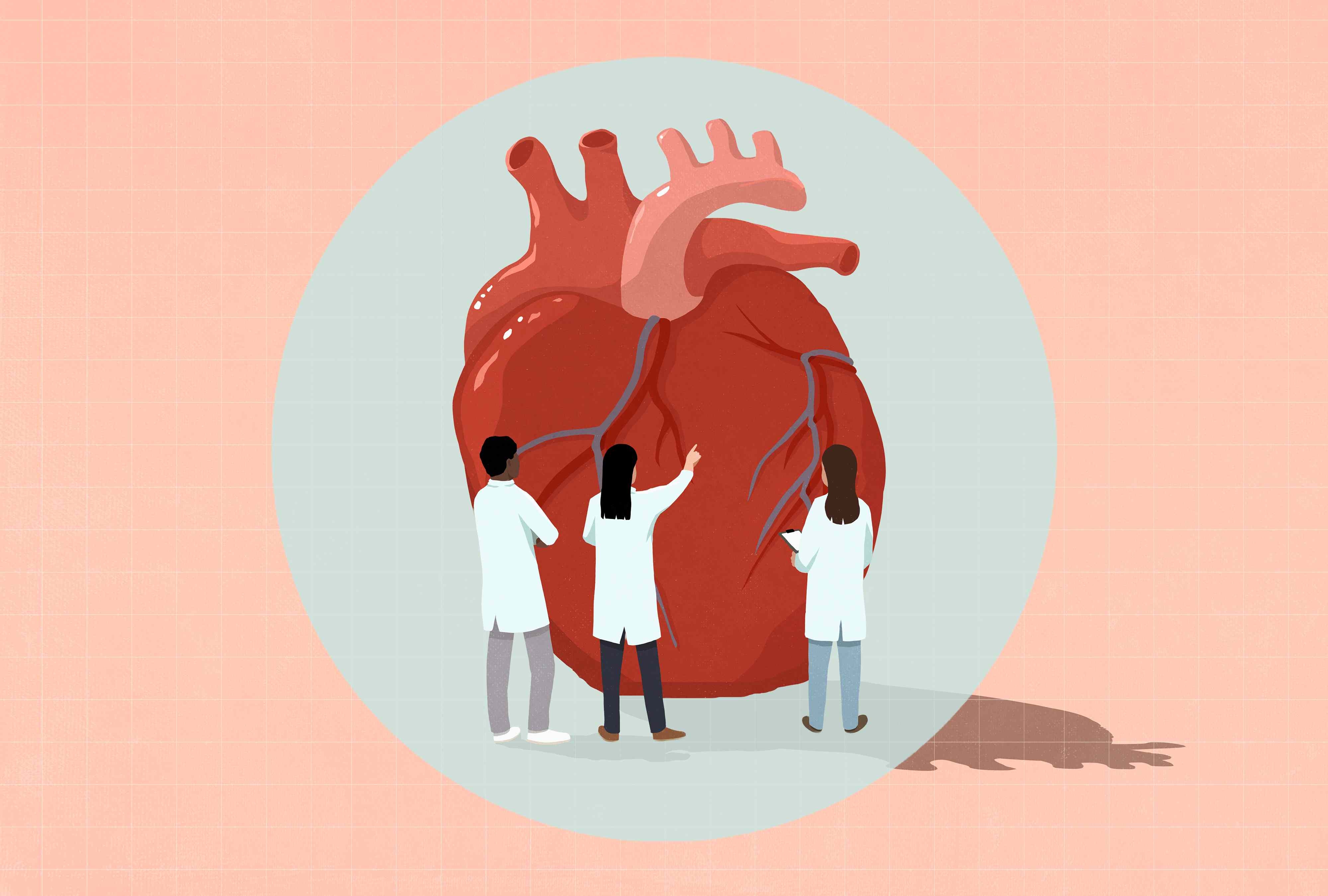
Understanding the Complex Effects of Wine on Heart Health
Wine has long been associated with various health benefits, particularly for heart health. However, recent research suggests that the relationship between wine and cardiovascular well-being is more complex than previously thought. While some studies highlight potential benefits, others emphasize the risks. This article explores both the short-term and long-term effects of drinking wine on heart health, offering insights from experts in the field.
Short-Term Effects of Wine on Heart Health
The immediate impact of wine on the heart can be mixed, with no level of alcohol being entirely risk-free. Some of the key short-term effects include:
-
Blood Pressure Fluctuations: One or two glasses of wine may not significantly affect blood pressure. However, consuming three or more glasses can lead to a temporary drop in blood pressure followed by an increase over the next 12 to 24 hours. These fluctuations, though subtle, can strain the heart.
-
Holiday Heart Syndrome: Overindulgence in alcohol, especially during holidays, can trigger irregular heartbeats known as "holiday heart syndrome." This condition can occur even in individuals who do not drink regularly.
-
Potential Reductions in LDL Cholesterol: Some research suggests that red wine may help reduce LDL cholesterol levels. However, this benefit is minimal and should not be used as a reason to start drinking.
-
Improvements in Antioxidant Status: Red wine contains resveratrol, a polyphenol that may offer health benefits such as reducing cell damage. When consumed, it increases antioxidant levels in the bloodstream.
Long-Term Effects of Wine on Heart Health
Over time, the evidence increasingly points to more harm than benefit when it comes to alcohol consumption, including wine. Here are some key long-term effects:
-
Increases Triglycerides: Alcohol raises triglyceride levels, which can contribute to plaque buildup in the arteries and increase the risk of heart disease and strokes.
-
Raises the Risk of Alcohol-Induced Cardiomyopathy: Chronic heavy drinking can weaken the heart muscle, making it less efficient at pumping blood. This condition, known as alcohol-induced cardiomyopathy (AIC), is linked to ethanol's toxic effects on heart cells.
-
Contributes to Nutritional Deficiencies: Alcohol provides calories but lacks essential nutrients. Prolonged use can lead to deficiencies, such as thiamine, which is crucial for heart function.
-
Atrial Fibrillation: Alcohol can interfere with the heart’s electrical signals, increasing the risk of atrial fibrillation, a condition that raises the chances of stroke and other serious complications.
-
Increases Blood Pressure: Even small amounts of alcohol can raise systolic blood pressure, contributing to hypertension.
-
Increases Inflammation: Recent research indicates that alcohol can be inflammatory, contributing to the development of atherosclerosis, which increases the risk of heart attacks and strokes.
Drinking Wine with High Blood Pressure
For individuals with high blood pressure, even moderate drinking can worsen the condition. Studies show that one glass of wine per day is linked to an 11% higher risk of developing hypertension. Medical guidelines recommend limiting or avoiding alcohol to manage blood pressure effectively.
Drinking Wine While on Blood Pressure Medication
Consuming wine while taking blood pressure medication can lead to adverse effects, such as dizziness, fainting, and irregular heartbeats. Alcohol can interfere with how these medications work, making them less effective.
How Much Wine Is Considered Safe?
Determining a safe amount of wine for heart health remains challenging. Current guidelines suggest that if you choose to drink, women should limit themselves to less than one 5-ounce glass per day, and men to two. However, if you don’t already drink, there’s no need to start for health benefits.
Expert Insights
Experts agree that lifestyle factors such as diet, exercise, and stress management play a more significant role in heart health than occasional wine consumption. If you regularly exceed recommended limits, consider reducing your intake. Heavy drinking increases the risk of cardiovascular disease, and those with existing conditions like high blood pressure or palpitations may benefit from avoiding alcohol altogether.
Frequently Asked Questions
Is red wine healthier than white wine?
While red wine contains more antioxidants and polyphenols, neither type of wine is truly "healthy." Both can have negative effects, and moderation is key.
Will drinking wine before bed help me sleep better?
Wine may help you fall asleep initially, but it disrupts sleep quality over time, affecting REM sleep and leaving you less refreshed.
Are there any skin benefits to drinking wine?
High alcohol intake can lead to premature aging and changes in skin pigmentation, making wine more of a foe than a friend for skin health.

Post a Comment for "How Wine Affects Your Heart, Expert Insights Revealed"
Post a Comment