
Iran Faces Choice Between Confrontation and Diplomacy After Nuclear Sanctions Reimposed
Iran's Response to Reimposed U.N. Sanctions
Iran is preparing for potential conflict with the West following the reimposition of United Nations sanctions on its nuclear program. These sanctions, which took effect early Sunday, freeze Iranian assets abroad, halt arms deals, and penalize any development of Iran’s ballistic missile program. The measures were triggered through a mechanism known as “snapback,” part of the 2015 nuclear deal between Iran and world powers.
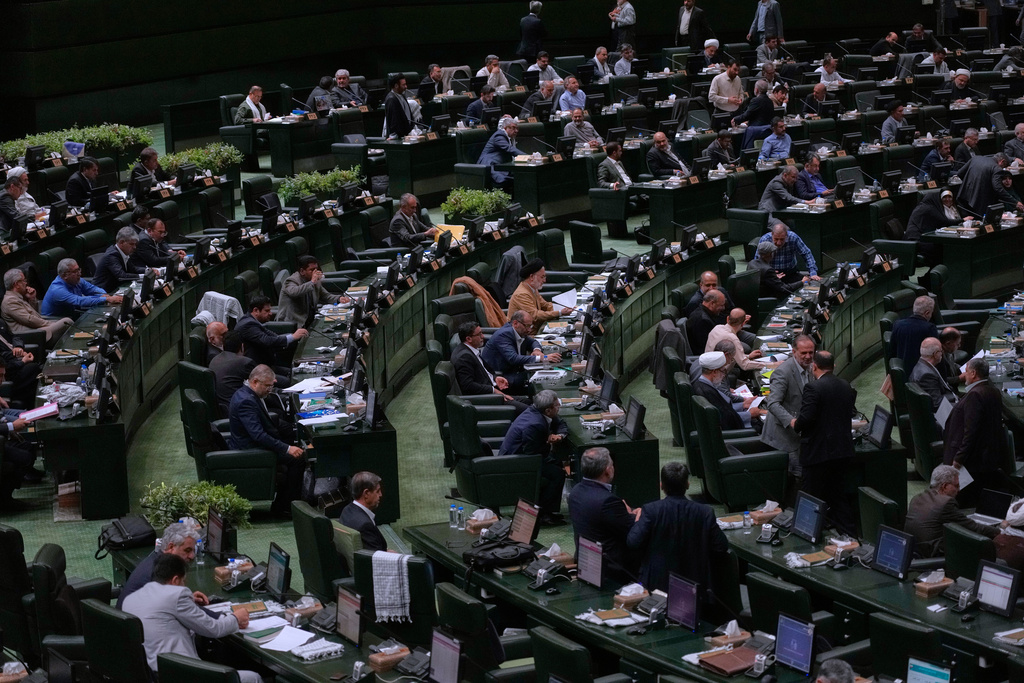
The Iranian Parliament initially condemned the sanctions before entering a closed-door session to discuss possible responses. Some officials have suggested that Iran might consider withdrawing from the Nuclear Nonproliferation Treaty, potentially accelerating its pursuit of nuclear weapons. This move could mirror North Korea’s path, which abandoned the treaty before acquiring nuclear capabilities.
Public concerns are rising over the possibility of renewed hostilities between Iran and Israel, as well as the United States. Missile sites damaged during the 12-day war in June now appear to be under reconstruction, fueling fears of further conflict.
Economic Impact and Public Sentiment
The economic consequences of the sanctions are already being felt by Iranians. The rial has plummeted to a record low of 1.1 million to $1, causing food prices to soar and making daily life increasingly difficult. Many citizens are calling for diplomatic solutions rather than confrontation.
Mohsen Rahaei, a 49-year-old resident of Tehran, emphasized the need for negotiation. "The government must negotiate. This is a world of business," he said. "One must get along with everyone, with all countries. Until when we want to fight? We won’t gain anything."
Despite the public pressure, some lawmakers are considering withdrawal from the nuclear treaty. Ismail Kowsari, a member of parliament, stated that the chamber would discuss this option. However, such a move would require approval from Supreme Leader Ayatollah Ali Khamenei, who has previously issued a fatwa against building an atomic bomb.
Military and Diplomatic Responses
Iran’s military and Revolutionary Guard have both issued warnings about their readiness for any potential attacks. Concerns among the public are growing, particularly after the sanctions, with fears that Israel might launch a new attack.
Israel’s Foreign Ministry welcomed the sanctions, stating that the goal is to prevent a nuclear-armed Iran. The ministry added that the world must use every tool to achieve this objective.
France, Germany, and the United Kingdom initiated the snapback process 30 days ago, citing Iran’s restrictions on nuclear monitoring and stalled negotiations with the U.S. Iran has since withdrawn from IAEA monitoring and continues to enrich uranium up to 60% purity, a short step away from weapons-grade levels.
International Perspectives and Ongoing Tensions
The three European nations have stated they made every effort to avoid triggering the snapback. However, Iran has not authorized IAEA inspectors to regain access to its nuclear sites or provided a report on its high-enriched uranium stockpile. They also noted that Iran’s uranium enrichment levels are far beyond what is typical for peaceful programs.
U.S. Secretary of State Marco Rubio praised the European nations for their actions, calling it an example of global leadership. He emphasized that diplomacy remains an option if Iran is willing to engage in direct talks.
Iran has argued that the snapback should not have occurred, pointing to the U.S. withdrawal from the 2015 agreement under President Donald Trump. Iranian Foreign Minister Abbas Araghchi attempted to downplay the impact of the sanctions, suggesting that the media exaggerated their effects.
However, the Iranian public is already feeling the economic strain. A Tehran resident, who only gave his first name, Najjari, warned against abandoning negotiations. "If we continue to get into a fight with the outside world and become isolated like North Korea, good things won’t happen at all," he said. "We’re already seeing the impact of this, the dollar rate is going up."

Post a Comment for "Iran Faces Choice Between Confrontation and Diplomacy After Nuclear Sanctions Reimposed"
Post a Comment