
Is Your Dog at Risk for IVDD? Breed Insights and Prevention Tips
Understanding Intervertebral Disc Disease (IVDD) in Dogs
Every dog owner wants their furry friend to live a happy, healthy life filled with energy, comfort, and joy. However, to ensure this, it's essential to be aware of the potential health issues that can affect different breeds. One such condition is Intervertebral Disc Disease (IVDD), which can significantly impact a dog’s quality of life if not managed properly. In this guide, we’ll explore what IVDD is, which breeds are most at risk, how to recognize the early signs, and what steps you can take to protect your dog from this common spinal condition.
What is Intervertebral Disc Disease?
The spine is a complex structure that plays a vital role in a dog’s movement and overall well-being. Between each vertebra are intervertebral discs, which act as shock absorbers and allow for flexibility. These discs have a tough outer layer and a soft, jelly-like center. When these discs degenerate or rupture, they can cause serious problems by pressing on the spinal cord.
IVDD occurs when these discs break down, leading to pain, mobility issues, and even paralysis. It is a progressive condition that can worsen over time if left untreated. There are two main types of IVDD: Type I, which involves a sudden rupture, and Type II, which develops more gradually.
High-Risk Breeds for IVDD
While any dog can develop IVDD, certain breeds are more susceptible due to their genetic makeup and body structure. Breeds with chondrodystrophy—characterized by short legs and long backs—are particularly at risk for Type I IVDD. This includes:
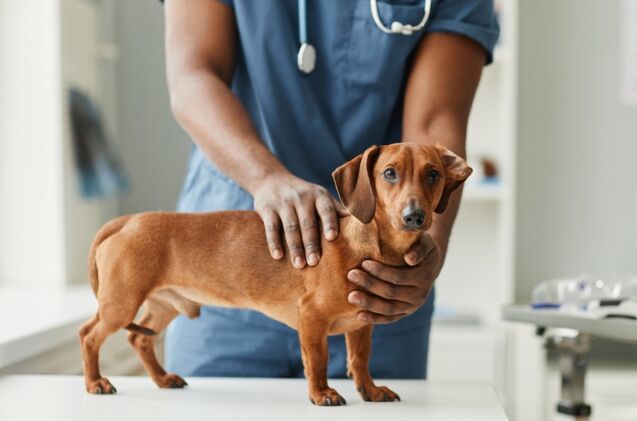
- Dachshunds: Known for their long bodies and short legs, dachshunds are the most commonly affected breed.
- Corgis (Pembroke and Cardigan): Their active nature and body shape increase their risk.
- French Bulldogs: Despite their compact size, they still face a higher risk, especially in the neck area.
- Basset Hounds: Their heavy frames and short legs place constant stress on their spines.
- Beagles and Miniature/Toy Poodles: These breeds may not look like high-risk candidates but still carry a genetic predisposition.
- Shih Tzus, Pekingese, and Lhasa Apsos: These small, fluffy breeds are also prone to IVDD, often in the neck region.
For Type II IVDD, older large-breed dogs such as German Shepherds, Labrador Retrievers, and Doberman Pinschers are more likely to develop the condition. Symptoms tend to progress slowly, making early detection crucial.
Recognizing the Signs of IVDD
Dogs are often good at hiding their pain, so it's important to watch for subtle changes in behavior. Early signs of IVDD may include:
- Reluctance to move, climb stairs, or jump
- Whining, yelping, or crying when touched
- An arched back or stiff neck
- Shivering or trembling
- Loss of appetite or difficulty eating from a bowl on the floor
- Decreased energy or disinterest in play
If the condition progresses, neurological symptoms may appear, such as wobbling, dragging feet, or losing the ability to walk. Any signs of loss of bladder or bowel control should be treated as a medical emergency.
Tips to Protect Your Dog from IVDD
Although genetics play a role, there are several steps you can take to reduce your dog’s risk:
Focus on Weight Management
Maintaining a healthy weight reduces the strain on your dog’s spine. Work with your veterinarian to determine your dog’s Body Condition Score (BCS) and follow a balanced diet and exercise plan.
Make Your Home Spine-Safe
Install ramps or stable steps for safe access to elevated surfaces. Avoid stairs for high-risk breeds, and use safety gates to prevent accidental falls.
Use Safe Lifting Techniques
When lifting your dog, support both the front and back ends to keep their spine straight. Avoid lifting by the armpits or abdomen.
Choose Smart Exercise
Opt for low-impact activities like walking on flat surfaces or swimming. Avoid high-impact exercises that involve jumping or sharp movements.
Use a Harness Instead of a Collar
A harness distributes pressure more evenly and protects the neck and spine. Pair it with a collar for identification purposes only.
Consider Joint Supplements
Talk to your vet about supplements like Glucosamine, Chondroitin, and Omega-3 Fatty Acids to support joint health.
Final Thoughts
As a responsible dog owner, your proactive care is key to preventing IVDD and ensuring your pup lives a long, healthy life. By managing your dog’s weight, creating a safe environment, and choosing appropriate exercise, you can significantly reduce their risk. If you notice any warning signs, seek veterinary care immediately. With vigilance and dedication, you can help your dog enjoy a happy, mobile life.

Post a Comment for "Is Your Dog at Risk for IVDD? Breed Insights and Prevention Tips"
Post a Comment