
Laptop Webcams Monitor Eye Movements for Productivity Tracking
The Rise of Eye-Tracking Technology
Eye-tracking technology has a long and evolving history, transitioning from bulky, specialized equipment to more compact and user-friendly devices. Initially used in research environments with headgear that required users to wear cumbersome gear, the technology has undergone significant improvements. Developers have managed to reduce the size of components and enhance software capabilities, making it possible to integrate eye-tracking into everyday devices like laptops and smartphones. This evolution has opened up a wide range of applications that were once impractical.
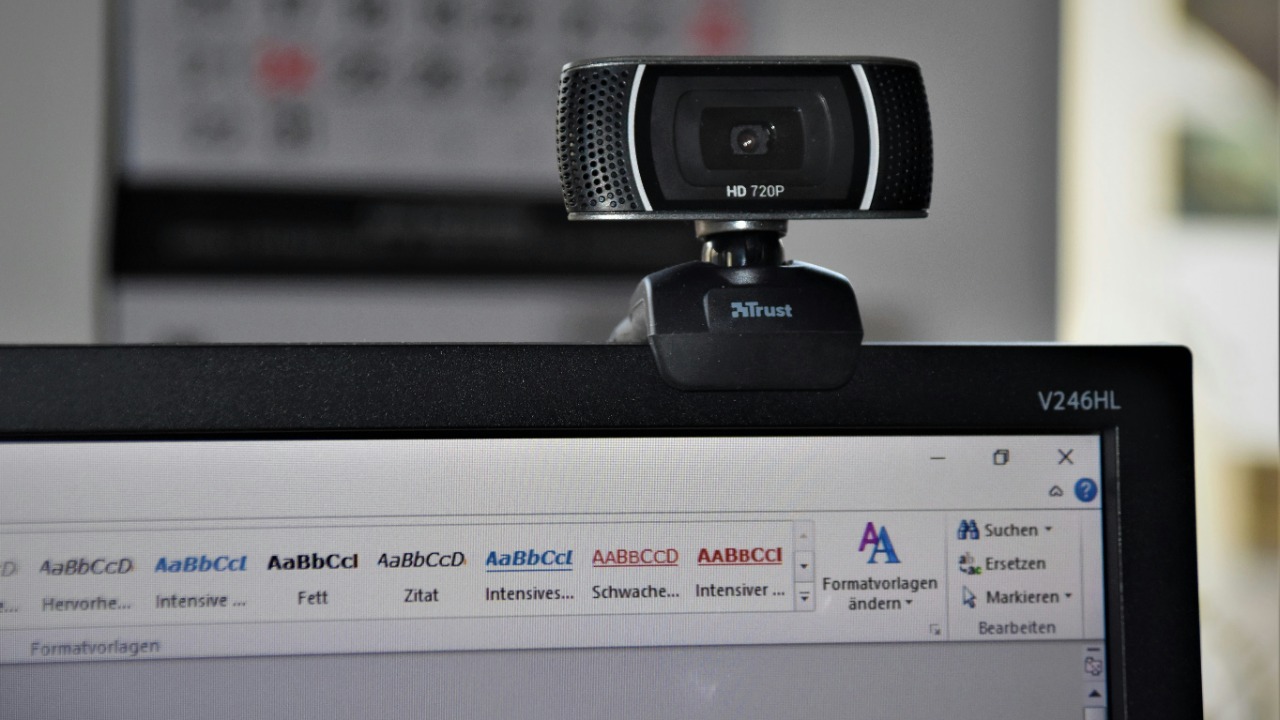
Advancements in webcam technology have made precise eye-tracking feasible. Modern webcams can capture high-resolution images at fast frame rates, allowing sophisticated algorithms to track eye movements with remarkable accuracy. This progress has enabled businesses to embed eye-tracking features into their laptops without the need for additional hardware. These systems are capable of not only detecting where a user is looking but also inferring cognitive states such as attention and fatigue.
Businesses are increasingly adopting these technologies to improve productivity and efficiency. By integrating eye-tracking into office equipment, companies aim to gain deeper insights into employee engagement and focus. This integration aligns with a broader trend towards digitization and data-driven decision-making in the workplace, where every action is monitored and analyzed for potential improvements.
Applications in Productivity Measurement
Companies use eye-tracking to monitor attention and productivity in various ways. For example, employee monitoring software often includes features that track how long workers spend on specific tasks or documents. This data helps managers identify patterns in workflow and productivity, enabling them to make informed decisions about workload distribution and task prioritization. However, it’s important to note that while these tools offer valuable insights, they must be used thoughtfully to avoid creating a culture of surveillance and mistrust.
In market research, businesses leverage eye-tracking data to gain consumer insights that drive product development and marketing strategies. Understanding where consumers look when viewing advertisements or navigating websites allows companies to optimize designs for better engagement. This data is essential for refining user interfaces and ensuring that marketing messages resonate effectively, ultimately leading to increased conversion rates and customer satisfaction.
Eye-tracking technology is also making an impact in educational and training settings. Educators can use this data to understand how students interact with learning materials, enabling the customization of content to suit individual learning styles. This personalized approach to education enhances learning experiences and outcomes, making education more effective and engaging for students at all levels.
Privacy Concerns and Ethical Implications
The collection and storage of eye-tracking data raise significant privacy concerns. The potential for misuse of this sensitive information is a major issue for many users who worry about how their data might be used or shared. Risks associated with data breaches and unauthorized access are real, especially when detailed personal information is involved. Organizations must implement robust security measures to protect this data and minimize potential risks.
Consent and transparency are key elements in addressing privacy concerns. Users need to be fully informed about what data is being collected, how it will be used, and who will have access to it. Obtaining informed consent is not just a legal requirement but an ethical responsibility that builds trust between employers and employees. Transparency in data collection practices can help alleviate user concerns and foster a more cooperative environment.
Balancing innovation with individual privacy rights is a delicate process that requires careful consideration. As technology continues to advance, it’s crucial to ensure that individual rights are not compromised in the pursuit of progress. Policymakers and businesses must work together to develop guidelines and regulations that protect privacy while allowing technological innovation to thrive.
The Future of Eye-Tracking in the Workplace
The future trajectory of eye-tracking technology is expected to significantly impact workplace dynamics. As the technology becomes more advanced, it is likely to become a standard feature in many professional settings. Experts predict that eye-tracking could become integral to a range of applications beyond productivity measurement, including accessibility and personalized user experiences. For instance, eye-tracking could enable more intuitive and natural interactions with digital devices, enhancing user experiences for individuals with disabilities.
Regulatory and policy considerations will play a critical role in shaping the future of eye-tracking technology. Currently, there is a patchwork of regulations governing privacy and data protection, but as the technology becomes more widespread, there will be a need for comprehensive policies that address the unique challenges it presents. Policymakers will need to collaborate with industry leaders to develop frameworks that promote innovation while safeguarding individual rights.
Innovations beyond productivity are also on the horizon. Eye-tracking technology holds promise in areas such as virtual reality (VR) and augmented reality (AR), where it can create more immersive and responsive experiences. By tracking eye movements, VR and AR systems can deliver content that adapts to the user’s focus, providing a more engaging and interactive experience.
Public Perception and Acceptance
Employee reactions to being monitored through eye-tracking technology are varied. While some see the potential benefits in terms of productivity and personalized work environments, others are concerned about privacy and the implications of constant surveillance. This resistance can lead to pushback if employees feel their privacy is being violated. Companies must address these concerns through open communication and ethical practices to maintain a harmonious workplace environment.
The way eye-tracking technology is portrayed in the media significantly influences public opinion. Stories highlighting the benefits of the technology can lead to greater acceptance, while reports focusing on privacy breaches or unethical use can cause public alarm. Balanced media representation is essential to helping the public understand both the potential and the pitfalls of this emerging technology.
Building trust and acceptance among users requires a commitment to ethical practices and transparent communication. Companies should engage with employees and the public to address concerns and explain the benefits of eye-tracking technology. By fostering an environment of trust and openness, businesses can encourage acceptance and ensure the successful integration of this technology in the workplace.

Post a Comment for "Laptop Webcams Monitor Eye Movements for Productivity Tracking"
Post a Comment