
Lawmakers Push Pastors to Bring Politics to Pulpits at Texas Faith Fest
The Intersection of Faith and Politics
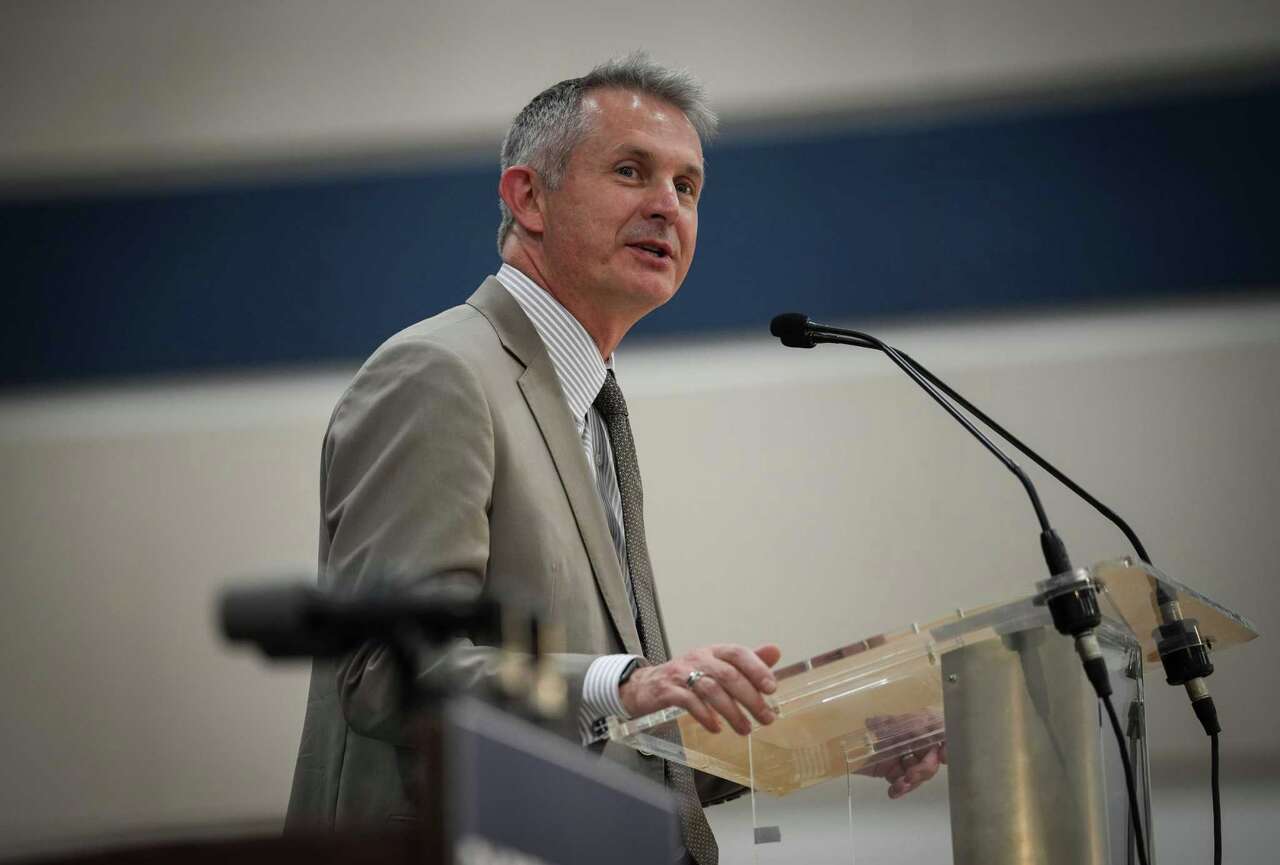
At the Texas Faith Fest, an annual event organized by the Christian advocacy group Texas Values, state Rep. Dr. Tom Oliverson of Cypress delivered a compelling message to religious leaders. He urged pastors to bring political discourse into their sermons, emphasizing the need for conservative voices to counter what he described as the influence of the political left on Christianity.
Oliverson, a Republican, argued that the political left has co-opted aspects of Christian values, and it is the responsibility of conservative pastors to defend their faith. His remarks were made during a panel titled "Is the 'Separation of Church and State' Dead?" where he and other conservative advocates discussed the role of religion in public policy.
Defending Conservative Values
Steve Riggle, a prominent figure in the Christian community, was also present at the event. As the senior pastor of Grace Woodlands and president of Grace International, Riggle has long been vocal about defending conservative causes. He has used his platform to address issues such as transgender rights and has hosted conservative activists like Charlie Kirk, who was recently killed and now considered a martyr by some.
Riggle emphasized that these discussions are not political but rather moral values that should be addressed from a spiritual perspective. This sentiment resonates with many within the religious right, who believe that faith should play an active role in shaping public policy.
Historical Context of Politics in Religion
The relationship between politics and religion in the United States has always been complex. Historically, the IRS required non-profit organizations, including faith groups, to avoid political campaign activities to maintain their tax-exempt status. However, this policy changed significantly in July 2024 under the Trump administration, allowing houses of worship to endorse political candidates if done "in good faith" and presented as a "family discussion."
For Oliverson, attending Second Baptist Church's Cypress campus has been a blessing, as it does not shy away from political engagement. He believes that such involvement is crucial when there are efforts to promote what he calls "woke culture" through the pulpit.
Addressing Political Figures
Oliverson criticized state Rep. James Talarico of Austin, a Presbyterian seminarian running for the U.S. Senate. Talarico, who has taken his values to the pulpit, has spoken out against Christian nationalism. In a June 2024 speech at St. Andrew's Presbyterian Church, Talarico warned against the dangers of Christian nationalism, describing it as an attempt to legislate Christian dominance rather than values.
Talarico's comments have sparked a broader conversation about the role of religion in politics. While some see Christian nationalism as a threat to the separation of church and state, others view it as a necessary return to the roots of American values.
The Debate Over Christian Nationalism
The term "Christian nationalism" has become a focal point in the ongoing debate. Texas Values director of policy Jonathan Covey likened the phrase to a slur, arguing that it is often used as a political weapon against Christians. He emphasized that Christians should have a voice in shaping laws and public life.
For some, Christian nationalism represents a belief that the U.S. was founded as a Christian nation and that there must be a return to those origins. Influential figures like Idaho pastor Doug Wilson support this view, seeing it as a way to restore God's role in society.
However, critics like Andrew L. Seidel of Americans United for Separation of Church and State argue that the ideology poses a threat to the United States. He notes that the definition of Christian nationalism varies among scholars, but key elements include the belief that the country was founded as a Christian nation and that God has given it to its people.
Conclusion
As the debate over the role of religion in public policy continues, the voices of conservative leaders like Oliverson and Riggle highlight the growing tension between faith and politics. Their calls for action reflect a broader movement within the religious right to reclaim their influence in shaping the nation's future. Whether seen as a necessary defense of values or a dangerous overreach, the intersection of faith and politics remains a critical issue in American society.

Post a Comment for "Lawmakers Push Pastors to Bring Politics to Pulpits at Texas Faith Fest"
Post a Comment