
Opinion: Save America by Understanding Gen Z
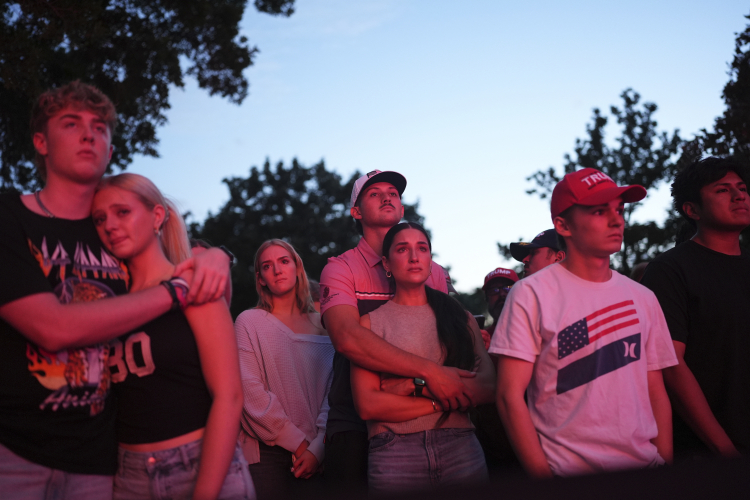
The Psychological Fragility of Generation Z
Generation Z, defined as those born between 1997 and 2012, is a generation marked by deep psychological vulnerability. This cohort has been shaped by a complex interplay of ideological indoctrination, the pervasive influence of social media, the erosion of traditional moral frameworks such as religion and family, and a culture that fosters narcissism and entitlement. These factors have contributed to a heightened sensitivity to perceived slights, an overemphasis on words as acts of violence, and an intense desire to suppress "misinformation." Such traits not only reflect a lack of resilience but also create fertile ground for dangerous ideologies.
The tragic assassination of Charlie Kirk at Utah Valley University in September 2025 serves as a grim illustration of this phenomenon. Kirk was engaged in a civil debate, a cornerstone of free and peaceful societies, when he was killed. This incident highlights the growing threat of violence fueled by a distorted sense of justice and an inability to engage in constructive dialogue.
A Culture of Censorship and Canceling
Gen Z's approach to speech and discourse is deeply troubling. According to recent data, 72% of individuals in this generation support shutting down speakers they disagree with, while 34% justify violence as a means to silence opposing views. The prevalence of cancel culture is equally alarming, with 97% of Gen Z members engaging in online behaviors such as unfollowing or blocking, which mirror intolerant mob behavior. This trend reflects a significant psychological frailty that undermines the development of resilience and hinders the kind of open dialogue necessary for peaceful coexistence.
Digital Overload and Social Isolation
The digital landscape has had a profound impact on Gen Z's mental health and social interactions. On average, Gen Z spends nine hours daily on screens, with over three hours dedicated to social media. This excessive screen time has led to a decline in real-world connections, contributing to rising levels of loneliness and poor mental health. Only half of Gen Z prefers personal interactions over virtual ones, indicating a shift in how they form and maintain relationships.
Financial instability further compounds these challenges. A significant portion of Gen Z struggles with homeownership, job security, and career advancement. Employers report that many recent graduates exhibit a sense of entitlement, are easily offended, and lack professionalism and a strong work ethic. These issues highlight a broader trend of underachievement and a disconnection from traditional values of hard work and perseverance.
Mental Health Crises and Identity Confusion
Mental health crises among Gen Z are reaching alarming levels. Depression, anxiety, and hopelessness are on the rise, particularly among liberal-leaning youth. This trend is exacerbated by a culture of victimhood that is amplified by social media. The increasing prevalence of gender confusion among young adults is another concerning issue. Transgender identification among young adults has surged from 0.59% in 2014 to 3.08% in 2023, a 422% increase. Non-binary identities have seen a 1260% rise, and transgender men have quadrupled in number. These shifts are largely attributed to social media echo chambers and peer pressure.
The Williams Institute’s 2025 poll estimates over 724,000 transgender youth in the U.S., with nearly 23% of Gen Z identifying as LGBTQ+. However, this identity crisis has led to drastic measures such as mutilative surgeries and has contributed to mental health crises. The rising rates of detransitioning underscore the complexities of these choices, with only 13% of detransitioners receiving support from LGBT organizations compared to 51% during transition.
Pandemic Impact and Political Rhetoric
The mismanagement of the COVID-19 pandemic has had a catastrophic effect on Gen Z. The prolonged isolation and lockdowns have left many feeling adrift, with a significant increase in mental health issues. Self-harm among teens doubled or tripled compared to 2019, and overdoses surged by 40-120%. Anxiety levels skyrocketed, with one in four college-aged students contemplating suicide by June 2020. In contrast, Sweden kept schools open and reported lower damage to youth mental health, highlighting the importance of balanced policies.
Inflammatory rhetoric from the political left has further influenced this vulnerable generation. The demonization of figures like Donald Trump and the MAGA movement has created an environment where violent actions may be justified. Media bias is evident, with "extreme right" mentions far outnumbering "extreme left" references. This imbalance has legitimized violent action and fostered a climate of fear and division.
Academic Influence and Institutional Neglect
Professors and educators play a critical role in shaping Gen Z's worldview, yet many are steeped in extremist ideologies rather than fostering free debate. Statistics reveal that 95% of Stanford faculty voted Democrat in 2020, and a significant percentage of students accept shouting down speakers. This trend is mirrored in other institutions, where the suppression of speech is increasingly normalized.
Elite universities have also failed to address the mental health needs of their students following incidents like Charlie Kirk’s assassination. Despite the obvious impact on campus, no Top 20 school offered mental health support, contrasting sharply with the extensive outreach provided for left-favored crises.
A Path Forward
Despite the challenges, there is hope. The key lies in empowering Gen Z through education, mentorship, and open dialogue. Efforts to identify and nurture bold, critical thinkers can help shape future leaders across various sectors. As C.S. Lewis noted, courage is essential in every virtue at the testing point. It is through this courage that we can begin to rebuild a society grounded in liberty, morality, and truth.

Post a Comment for "Opinion: Save America by Understanding Gen Z"
Post a Comment