
Paid to Hunt Pythons in Florida? Here's How and What You Can Earn
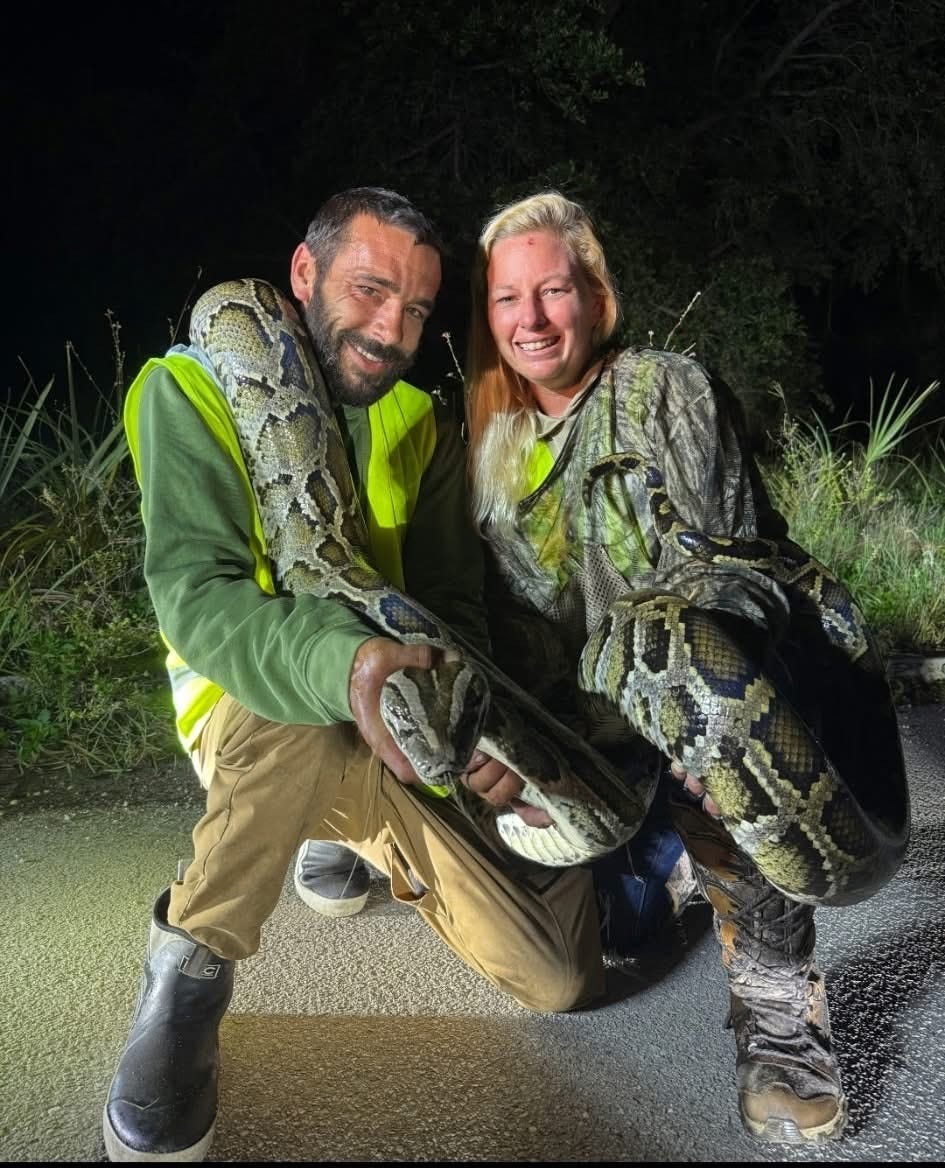
The Impact of Burmese Pythons on Florida's Ecosystem
Burmese pythons have become one of the most significant threats to Florida's natural environment, particularly in the Everglades. These snakes are among the largest in the world, typically growing between 10 and 16 feet long. In 2023, a record-breaking Burmese python was caught near Naples, measuring an astonishing 19 feet in length. This invasive species has established itself across more than a thousand square miles of South Florida, including areas such as Everglades National Park, Big Cypress National Preserve, and Collier-Seminole State Forest.
The presence of these pythons has had a devastating impact on local wildlife. They have significantly reduced populations of small mammals like raccoons, opossums, bobcats, foxes, marsh rabbits, and cottontail rabbits. According to the U.S. Geological Survey, the population of Burmese pythons in the Everglades region is estimated to be in the tens of thousands. Efforts to control their numbers are ongoing, with federal and state programs working to remove these snakes from the ecosystem.
How to Participate in Python Removal Programs
Several programs offer opportunities for the public to help combat the Burmese python problem. The Florida Fish and Wildlife Conservation Commission (FWC) provides training through its Python Patrol program, which teaches individuals how to identify, capture, and humanely kill these snakes. Virtual classes are held every third Thursday of the month, covering topics such as species identification, safe capture techniques, and reporting procedures.
While the FWC does not pay for all python removals, there are specific programs that do. The Python Action Team - Removing Invasive Constrictors (PATRIC) and the South Florida Water Management District’s Python Elimination Program contract with qualified individuals to remove pythons. These contractors are paid hourly, with rates ranging from $13 to $30 per hour, depending on the area. Additionally, they receive $50 for each python up to 4 feet long, plus $25 for each additional foot. Verified active nests earn $200 each.
Requirements for Becoming a Python Hunter
To qualify for these programs, applicants must meet certain criteria. They need to be at least 18 years old, possess a valid driver’s license, and have a bank account for direct deposit. They must also have a mobile device capable of using the required software and agree to GPS tracking. A criminal background check is required, and participants must sign a liability waiver.
Success Stories in Python Removal
One notable example is Brian Hargrove, a python removal agent under the South Florida Water Management District’s Python Elimination Program. In August, he caught 63 pythons, earning a $1,000 bonus under a new incentive program launched in 2025. Other winners of the monthly bonus include Kyle Perry, Kevin Pavlidis, Andre Brown, Donna Kalil, Matt Kogo, and Aaron Mann, who captured varying numbers of pythons throughout the year.
Origins and Current Status of Burmese Pythons in Florida
Burmese pythons are native to Southeast Asia and were introduced to Florida primarily through the pet trade. Many of these snakes were either released or escaped into the wild, leading to their establishment in the region. Today, they are found from just south of Lake Okeechobee to Key Largo and from western Broward County west to Collier County. This includes several protected areas such as Everglades National Park and Biscayne National Park.
Size and Physical Characteristics of Burmese Pythons
Adult Burmese pythons can grow to impressive sizes, with some reaching lengths of 19 feet and weighing over 200 pounds. The longest recorded Burmese python was measured at 19 feet, while the heaviest was a female weighing 215 pounds. These massive snakes are capable of preying on a wide range of animals, including birds, mammals, and even alligators.
Legal Considerations for Dealing with Pythons
In Florida, Burmese pythons are not protected by state law, except under anti-cruelty regulations. Shooting them is permitted if done in accordance with state and local firearms laws, and the animal must lose consciousness immediately. Afterward, the brain should be destroyed to prevent regaining consciousness, as advised by the FWC.
Efforts to manage the Burmese python population continue to evolve, with new initiatives and programs aimed at reducing their impact on Florida’s unique ecosystems. Through public participation and collaboration with wildlife agencies, there is hope for mitigating the damage caused by these invasive snakes.

Post a Comment for "Paid to Hunt Pythons in Florida? Here's How and What You Can Earn"
Post a Comment