
Parents of Disabled Students Fear Education Cuts
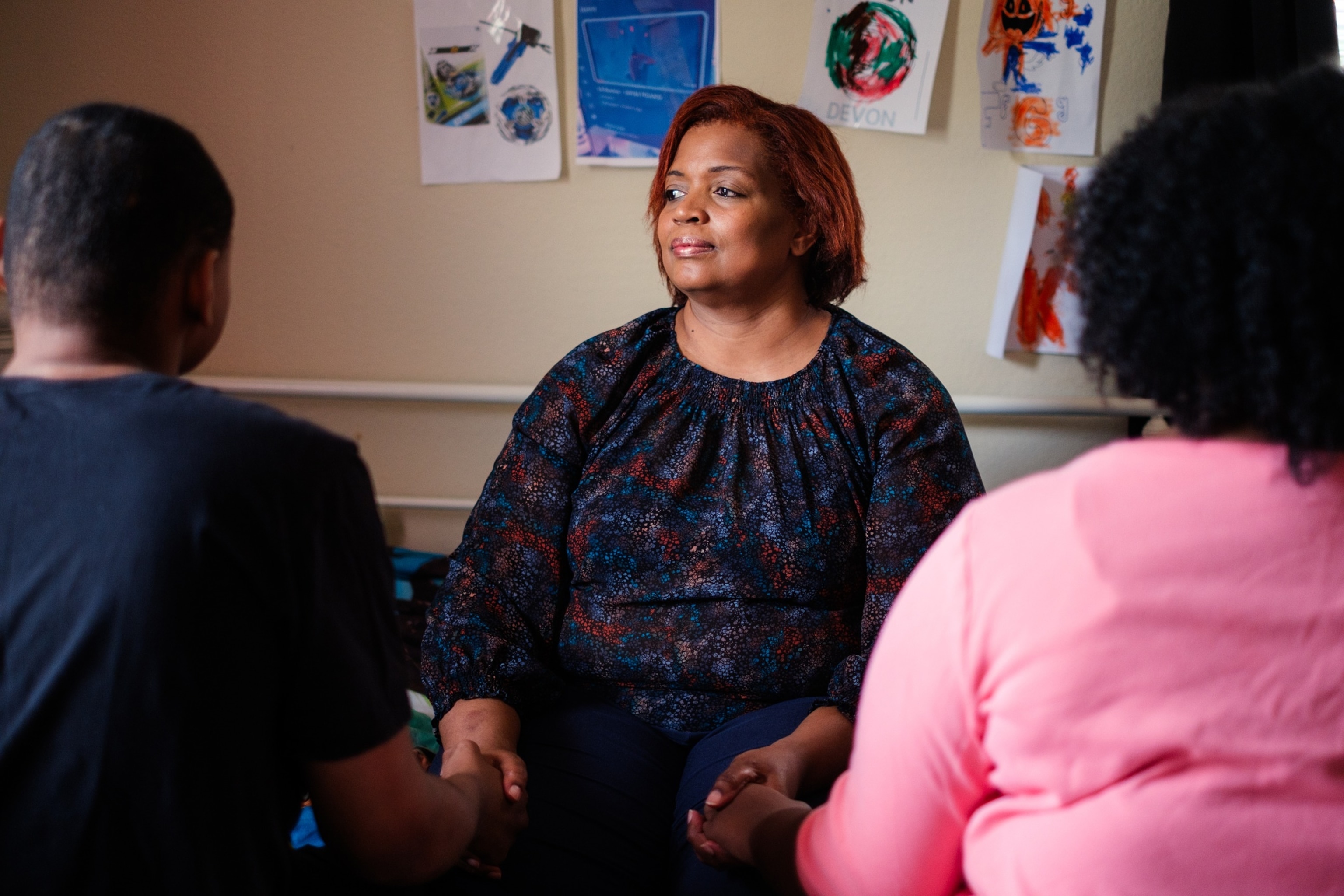
A Mother's Fight for Her Children with Autism
Devon Price, a 15-year-old boy with autism, has spent the last decade in the largest school district in North Carolina, yet he remains unable to read or write. His twin sister, Danielle, also autistic, faced bullying from classmates that led her to self-harm and even suicidal thoughts. Under federal law, public schools are required to provide children with disabilities a "free appropriate public education" to ensure they have the same opportunities as other students.
Emma Miller, their mother, is one of tens of thousands of parents across the United States who have filed complaints with the Education Department, alleging that schools and states have failed to protect children with disabilities. These complaints are currently in limbo as the Trump administration has taken steps to dismantle the federal agency. During his time in office, Trump has made controversial remarks about people with disabilities, including mocking a reporter with a disability. Earlier this year, Health and Human Services Secretary Robert F. Kennedy Jr. faced criticism for making inaccurate statements about autism that reinforced harmful stereotypes.
Miller, a single parent living in Wake Forest, North Carolina, is deeply concerned about what will happen to her children if the Education Department is reduced or eliminated. She described her twins as "miracle babies" who survived despite being born weighing just one pound each. Danielle spent five months in a neonatal intensive care unit, while Devon was there for seven months.
For years, Miller has fought tirelessly for her children, challenging local and state school officials. However, she said even when she won some victories, her children did not receive the services they were promised. She believes her children are high-functioning and could have thrived academically if given the proper support.
"I want justice for my twins and to sound the alarm so other special needs children are not suffering or being deprived," Miller said. In a complaint she filed in September 2024, she wrote, "The most vulnerable group of children [is] being denied a basic education."
The Role of the Education Department
Established in 1979, the Education Department oversees schools and colleges in the U.S. and has the authority to protect students from discrimination based on race, sex, religion, or disability. Its Office for Civil Rights investigates allegations at schools and negotiates corrective actions. However, the department is now under threat as the Trump administration has taken steps to reduce its size and influence.
In March 2024, the agency announced it would fire nearly half of its 4,133 employees. Education Secretary Linda McMahon claimed the move was a step toward restoring the greatness of the U.S. education system. The decision led to the closure of seven of the 12 regional offices of the Office for Civil Rights, leaving a skeleton staff to handle thousands of complaints annually.
Parents and advocates say the changes could make it even harder for families to fight for their children’s rights. Many argue that the federal laws protecting disabled and disadvantaged children were created due to state-level failures. For example, under North Carolina law, children with disabilities should be reevaluated every three years to determine their individual needs. However, Miller said Wake County officials refused her requests for evaluations for nearly a decade.
Challenges Facing Families
The Education Law Center, NAACP, and other advocacy groups have sued to stop the Trump administration's plans, arguing that the changes are illegal and pose a threat to vulnerable students. While 20 states and the District of Columbia sued to halt the plan, the Supreme Court ruled in July that the administration could proceed with the changes.
Advocates like Hannah Russell, an advocate who works with parents in North Carolina, say the lack of federal oversight has left families feeling powerless. "Without the Department of Education, there is no accountability," she said. "Everybody is scared."
Robert Kim, who leads the Education Law Center, noted that the Office for Civil Rights is overwhelmed with a backlog of complaints. In fiscal 2024, the office received nearly 23,000 complaints, with about 37% involving disability discrimination. Black children and those with disabilities are disproportionately affected by harsh discipline, including physical restraint and isolation in seclusion rooms.
A Growing Crisis
Danielle and Devon Price entered 10th grade at Wake Forest High School in August. Their mother remains uncertain about their future. Danielle, who wants to go to college, has math skills at a fourth-grade level, according to school records. She struggles with changes in routine and became despondent when school officials repeatedly changed her classes to keep her away from a bully. Soon after, she started to self-harm, and now receives intensive therapy.
Miller said she has spent months fighting with Wake County school officials and did not turn to the federal government sooner because she hoped she could resolve the issues locally. However, the Education Department declined to look into her complaint, saying it was submitted too late.
"I'm a single parent, and one day I won't be here," she said. "My kids are going to be adults soon, yet my son doesn't know how to read and write. I'm like, 'Wow.' There really is no help here."

Post a Comment for "Parents of Disabled Students Fear Education Cuts"
Post a Comment