
Pet sharks are trendy, but is it ethical?
The Rise of Home Shark Tanks
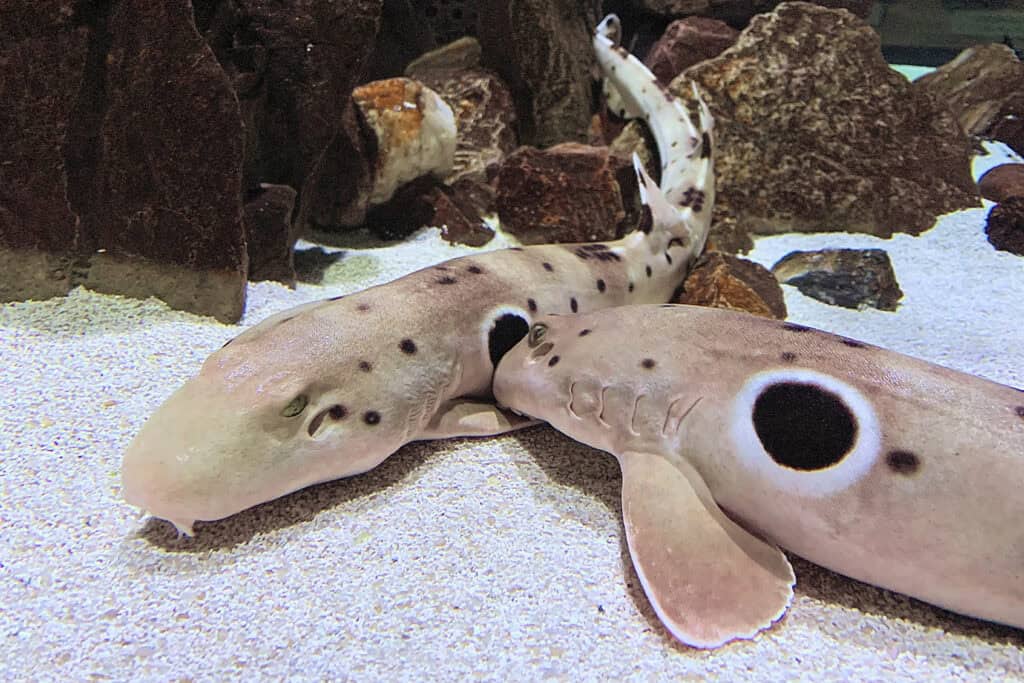
When Laurie was a child, she often had nightmares about being eaten by a shark. Now, decades later, she shares her home with two epaulette sharks in a 1,135-liter (300-gallon) tank. These bottom-dwelling sharks, known as “walking sharks” for their ability to crawl on the ocean floor, have become a source of peace and joy for Laurie. She acquired them from an owner who no longer wanted them, and she believes that providing a safe environment for these creatures is more responsible than releasing them into unfamiliar waters.
The trend of keeping sharks at home has grown beyond the realm of celebrities and tech enthusiasts. Middle-class aquarium owners are now adding smaller, benthic sharks to their tanks. These sharks typically live on the ocean floor and can breathe while lying down, unlike pelagic species like tiger sharks or whitetip sharks, which must swim constantly to keep water flowing over their gills.
A growing industry caters to this demand, offering species such as bamboo sharks, zebra sharks, and catsharks. Prices vary widely, with some species available for as little as $90, while others, like zebra sharks, can cost up to $6,000. Social media platforms like TikTok and YouTube have helped popularize the hobby, showcasing pet shark feedings and home aquariums. However, the question remains: Is it ethical to own a pet shark?
Inadequate Aquariums and Ethical Concerns
Experts warn that most home aquariums are not suitable for even the smallest shark species. Lise Watson, assistant director of animal operations and habitats at Shedd Aquarium in Chicago, states that inadequate setups often lead to long-term health issues, including stunted growth and deformities. Sharks require specialized diets, life support systems, and veterinary care—resources typically found only in professional aquariums.
Jay Hemdal, a retired aquarist with decades of experience, agrees. He only recommends the coral catshark for home ownership, and even then, only for those with extensive knowledge. Hemdal recalls his own experience as a teenager when he bought a nurse shark for a small tank, which ultimately died. Today, he spends time on online forums warning others against the dangers of keeping sharks in improper conditions.
Data on the global trade of marine ornamental fish is scarce, but studies show that shark imports for home aquariums have been increasing. This rise is concerning, as nearly two-thirds of shark and ray species associated with coral reefs are at risk of extinction. Epaulette sharks, which Laurie owns ethically, are among the most traded and vulnerable species.
Personal Stories and Challenges
Tyler McCleave, a sales executive and former zoo employee, sources his sharks ethically, often taking in animals from hobbyists who couldn’t care for them properly. His four sharks, including two epaulette sharks, a grey bamboo shark, and a wobbegong, each have distinct personalities. However, McCleave emphasizes that sharks are not like domesticated pets and do not form emotional bonds with their owners.
He also warns about the ease of obtaining sharks online, where buyers are not always vetted for proper tank size or care knowledge. Two of the captive-bred sharks he ordered arrived dead, highlighting the risks involved in the trade. While some species like bamboo and epaulette sharks are better suited for home care, their needs still require expertise and resources found in professional settings.
The Role of Aquarium Influencers
Social media influencers often portray shark ownership as glamorous, with content creators like Paul Cuffaro showcasing massive saltwater ponds filled with juvenile sharks. However, experts caution that these sharks will outgrow their environments. A blacktip shark, for example, can grow up to 1.5 meters (5 feet) and requires a much larger tank. Zebra sharks, which start as small babies, can reach 2.4 meters (8 feet) in length.
Shedd Aquarium and other institutions receive frequent calls from people looking to rehome their sharks, often due to the animals’ rapid growth or complex care requirements. Unfortunately, many facilities cannot accept these animals due to strict ethical standards and biosecurity protocols.
The Conservation Impact
Owning a zebra shark is particularly problematic, as the species is endangered. Baby zebra sharks and their eggs sometimes end up in the home aquarium market, contributing to unsustainable practices. Even if an owner wants to rehome a zebra shark, it may not be eligible for conservation programs like StAR, which focuses on breeding and rewilding efforts.
Christine Dudgeon, a researcher who has studied zebra sharks for over a decade, notes that owning one requires a long-term commitment. The oldest recorded zebra shark in captivity lived around 40 years. She urges potential owners to understand the ecological needs of these animals, which regularly travel long distances.
Final Thoughts
While the appeal of keeping a shark at home is understandable, it comes with significant responsibilities. Experts agree that not everyone should own a shark, and the hobby should be approached with caution and respect for the animals' well-being. As social media continues to promote the idea of having a shark as a pet, it’s essential to recognize the ethical and practical challenges involved.

Post a Comment for "Pet sharks are trendy, but is it ethical?"
Post a Comment