
Pierce Co. Gets $1.2M for Science and Art Programs via New Sales Tax
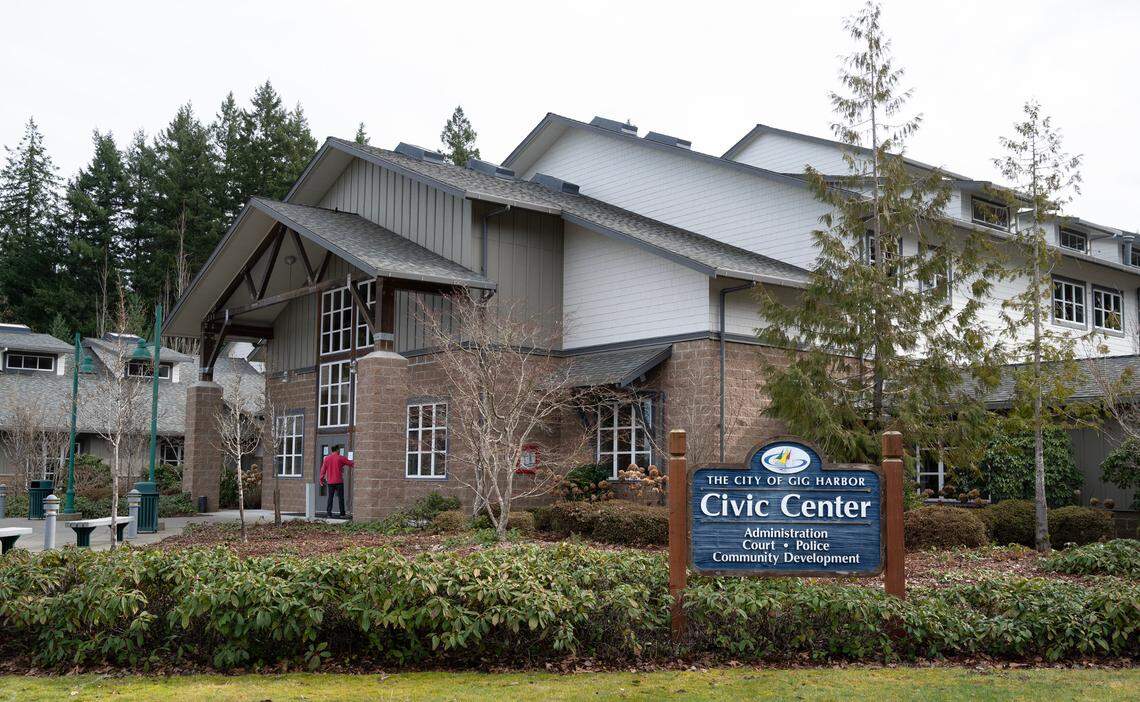
Gig Harbor Voters to Decide on Sales Tax Increase for Cultural and Educational Programs
Gig Harbor residents will have the opportunity to vote on a proposed 0.1% sales tax increase in November, which aims to fund science, arts, and culture programming in the city. If approved, the tax would generate approximately $1.2 million annually, with the funds directed toward public schools and nonprofits that provide access to cultural and educational initiatives. The tax would take effect on April 1, 2026, and the first round of funding would be available to eligible organizations starting in 2027. Voters would need to renew the tax every seven years.
The tax would add 10 cents to every $100 spent on taxable items in Washington state, excluding prescription drugs and groceries (with exceptions for alcohol, prepared food, and similar items). For example, a household spending $25,000 on taxable goods would pay an additional $25 per year. This initiative is authorized under a state law passed in 2015, which allows local jurisdictions to establish cultural access programs.
Eligible nonprofits must focus on advancing or preserving science, technology, visual or performing arts, zoology, botany, anthropology, heritage, or natural history, and must provide public programming. Other cities in the region, such as Tacoma and Olympia, have already implemented similar programs. Tacoma’s Creates program, for instance, allocates about $6.4 million annually to 80 nonprofits, including the Museum of Glass and Tacoma Porchfest.
If the measure passes, Gig Harbor’s sales tax rate would rise from 9.1% to 9.2%. This is lower than the rates in other Pierce County cities like Tacoma (10.3%), Puyallup (10.2%), and Lakewood (10.1%). The city has previously approved sales tax increases for transportation improvements in 2019 and public safety in 2024, as well as a 0.1% increase for pavement maintenance last year.
The proposal requires a simple majority to pass. While the city council had the option of implementing the tax without a vote, they chose to put it before voters during their March 10 meeting. Several residents and representatives from local nonprofits supported the measure during public comment.
Lindsey Stover, executive director of Harbor WildWatch, emphasized the importance of the tax in restoring STEM education programs that were cut due to funding constraints. “Thousands of local students are no longer receiving that supplemental science education,” she said.
However, some opposition exists. A statement included in the Pierce County voters’ pamphlet argues that sales taxes are regressive, disproportionately affecting working families and those on fixed incomes. It also suggests that existing grants and partnerships could support the arts without adding a new tax.
On the other hand, Stephanie Lile, executive director of the Harbor History Museum, supports the measure, calling it a “game changer” for nonprofits impacted by federal funding cuts. She noted that three federal grants, including one for digitizing collections, are no longer available. The museum, which features exhibits like the historic fishing vessel The Shenandoah and a 1893 schoolhouse, relies on alternative funding sources.
Supporters argue that the cultural access program would also benefit the local economy. Visitors to museums, marine life centers, and art groups contribute over $1.5 million annually, with the total doubling when including performances and events. Losing these institutions could negatively impact local businesses.
Currently, the city provides grants through its Lodging Tax Fund and Creative Endeavors Grant to support tourism and arts initiatives. These programs would not be replaced by the cultural access tax, according to the city. In 2025, the Lodging Tax Fund awarded $67,500 to the Gig Harbor Waterfront Alliance, $63,000 to the Harbor History Museum, and $36,000 to the Permission to Start Dreaming Foundation.
Gig Harbor City Clerk Josh Stecker stated that the city has yet to finalize how the revenue from the cultural access tax would be distributed. “The city council will need to make these decisions fairly soon after the election results are received if the ballot measure should pass,” he wrote.
The election is scheduled for November 4. Ballots will be mailed on October 17, with postmarks required by November 4 or drop boxes open until 8 p.m. on the same day.

Post a Comment for "Pierce Co. Gets $1.2M for Science and Art Programs via New Sales Tax"
Post a Comment