
RAF Pilots Prepare for Russian Jet Confrontation – What's Next?
Nato Faces Dilemma Over Russian Airspace Violations
Nato allies are increasingly concerned about the potential for uncontrolled escalation with Russia if they decide to shoot down Russian aircraft that violate their airspace. Experts warn that President Vladimir Putin is leveraging Nato’s risk aversion to weaken the alliance, as tensions continue to rise over a series of incursions by Russian planes.
This week, European allies have warned that they are prepared to take such action after a series of violations. U.S. President Donald Trump has also stated that Nato allies would have his support in shooting down Russian planes breaching their airspace. This marks a significant shift in the U.S. stance on Moscow, especially considering Trump's previous sympathy for the Kremlin narrative regarding the Ukraine war and his criticism of American allies.
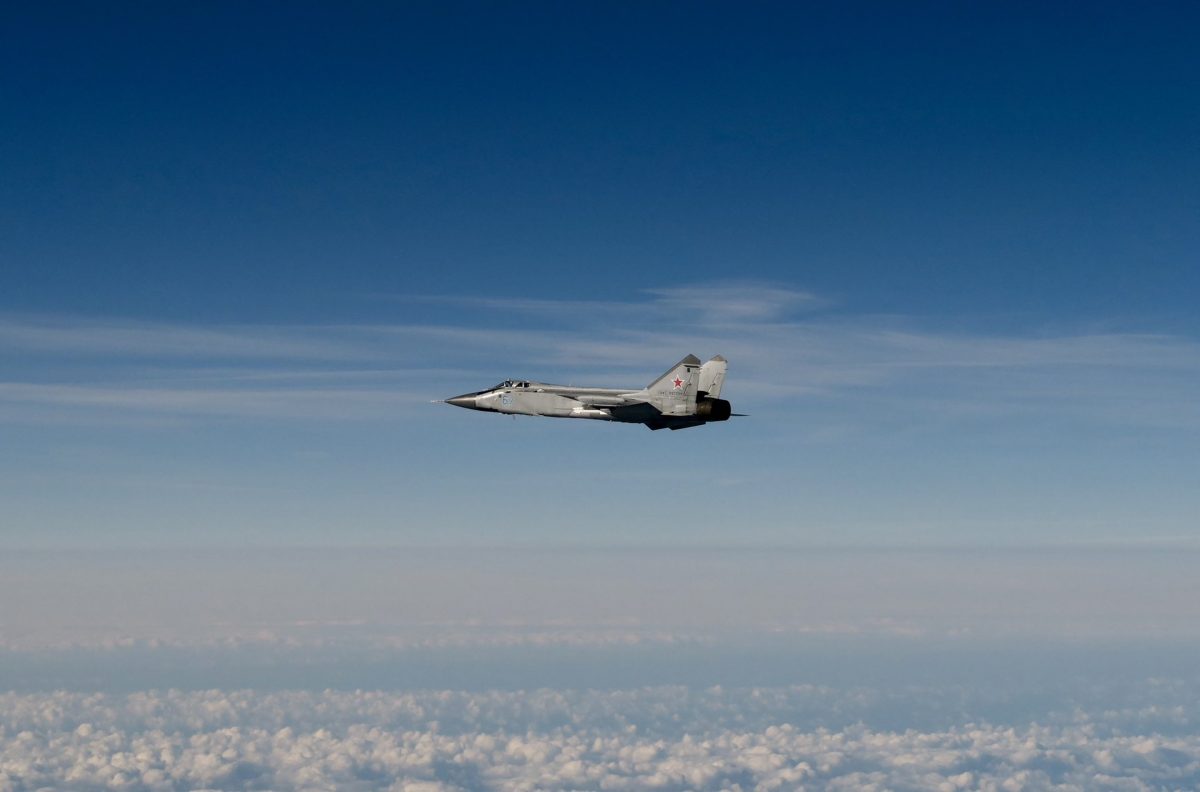
In recent weeks, there have been several incidents involving Russian drones and fighter jets entering Nato airspace. A mass drone incursion into Polish airspace was followed by another drone over Romania. Then, three Russian MiG-31 fighter jets with their transponders off entered Estonian airspace for 12 minutes, which Estonia called a “blatant, reckless, and flagrant violation.” These jets were escorted away by Italian F-35s participating in Nato’s Baltic Air Policing mission. On Sunday, Germany and Sweden scrambled fighter jets to track an unidentified Russian surveillance plane flying in neutral airspace over the Baltic Sea.
Nato emphasized that its allies will use all necessary military and non-military tools to defend themselves, following its second meeting on airspace violations in a week and a half. British Foreign Secretary Yvette Cooper accused Putin of “dangerous and reckless” actions that could lead to direct armed confrontation between Nato and Russia. She warned that if planes operate in Nato airspace without permission, they will be confronted.
British RAF fighter jets have been sent to Poland as part of Nato’s Eastern Sentry operation to bolster the eastern flank. Poland issued a direct threat of force, warning that if another missile or aircraft enters its space without permission, it will be shot down, and the wreckage falling on Nato territory would not be met with complaints.
However, questions remain about whether Nato would have the nerve to take serious action against Russia, given Trump’s wavering support, fears of escalating confrontation, and how this affects the war in Ukraine.
The Risks of Shooting Down Jets
Shooting down Russian jets is on the table, but it could spell war. In 2015, Turkey shot down a Russian jet that strayed over its border from Syria after ignoring several warnings. Russia responded with sanctions but did not declare war. Analysts have pointed to this incident as a precedent for a more forceful response to Russia’s latest airspace violations.
However, the strategic environment has changed significantly due to the Ukraine war. Shooting down a Russian jet would escalate tensions dramatically and could lead to an uncontrolled conflict. John Lough, a senior research fellow at the New Eurasian Strategies Centre, warned that Russia would respond in various ways, potentially targeting Nato’s military capacity.
Ed Arnold, a senior research fellow in European Security at the Royal United Services Institute, noted that while Russian airspace incursions are routine, the volume of such activity has increased. He emphasized that Nato is unlikely to move to downing a Russian aircraft, as Putin’s risk appetite is high, and any misinterpretation could lead to unintended escalation.
One concern is that Russia might spread disinformation, blaming Nato for its aggression. Patrycja Bazylczyk, a program manager at the Missile Defence Project, suggested that shooting down a Russian plane could prompt Moscow to escalate with more incursions or deter further action.
Nato Needs Trump for Credible Deterrence
After the Estonia incursion, Nato secretary-general Mark Rutte stated there was no immediate threat detected, while Estonia’s Prime Minister Kristen Michal mentioned parameters for the use of force had not been met. Former Estonian air chief Jaak Tarien noted that during peacetime, force is not the first response, but further intervention could follow if Russian planes were carrying weapons heading for a specific target.
Lough emphasized that Nato must be clear about taking appropriate action to deter future incursions. This depends on the U.S., as Trump’s return to power has emboldened Putin, who has seen the lack of consequences for Moscow’s actions in Ukraine and interference operations against Nato.
Russia uses airspace incursions alongside other “grey zone” acts of aggression to probe Nato’s defenses and assess its political will. Nato has other options, including firing warning shots, generating wake turbulence, or using frozen Russian assets to fund weaponry for Ukraine.
Bazylczyk suggested a unified response from Nato could change Russia’s political calculus, making them realize that their pattern of escalation will trigger more from Nato members. Invoking Article 4 and discussing the escalation ladder is crucial for maintaining stability.
Nato could also consider asymmetric actions, such as providing more weapons to Ukraine, sending reinforcements to northern and eastern states, and reinforcing its Eastern Sentry mission. Signaling the strength of Article 5 is essential to ensure Russia thinks twice before further action.
Trump’s comments and Mike Waltz’s declaration that the U.S. would defend every inch of Nato territory have restored some hope in the alliance’s strength. Nato may now step up its deterrence posture, ensuring continued stability in Europe.

Post a Comment for "RAF Pilots Prepare for Russian Jet Confrontation – What's Next?"
Post a Comment