
Recent Court Rulings Halt Trump's Key Initiatives
Recent Court Rulings Challenge Trump's Policies
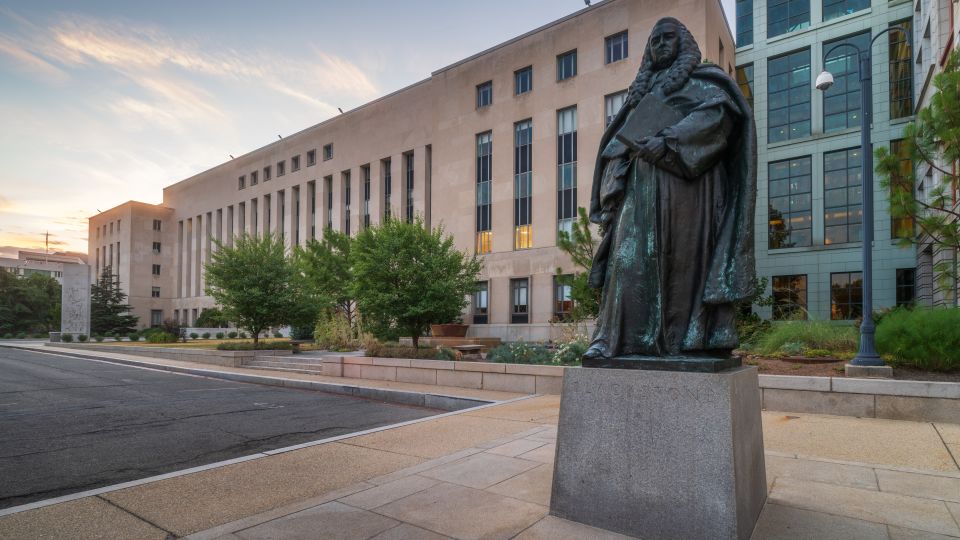
A series of recent adverse court rulings have significantly impacted some of President Donald Trump’s policies and executive actions, highlighting the federal judiciary's growing role as a check on his efforts to reshape the country. These decisions underscore the increasing scrutiny that courts are placing on the executive branch, especially during a time when the Republican-controlled Congress has largely allowed the president to govern with minimal oversight.
The courts have long been a battleground for Trump’s opponents, and this year has seen a surge in litigation aimed at halting or modifying various aspects of his second-term agenda. Judges have been reviewing cases involving the dismantling of federal agencies and targeting elite law firms, often under emergency conditions. While Trump has had some successes in these lawsuits, particularly due to favorable rulings from the conservative-majority Supreme Court, many cases remain unresolved and may take years to reach final conclusions.
Several high-profile rulings over the past few weeks have further limited Trump’s ability to implement his policies. Legal experts note that while courts initially address specific questions in lawsuits, they later grapple with broader issues, often resulting in unfavorable outcomes for the government. The question remains whether these cases will fare better when they eventually reach the Supreme Court.
Alien Enemies Act Ruling
One significant case involved the use of the Alien Enemies Act, a 18th-century wartime authority. In mid-March, Trump invoked this law to expedite deportations of alleged members of a Venezuelan gang. However, legal challenges by the American Civil Liberties Union (ACLU) have prevented the continued use of the law. The 5th US Circuit Court of Appeals recently ruled that Trump unlawfully used the 1798 law, which has only been invoked three times in U.S. history, all during declared wars. This decision sets the stage for a potential showdown at the Supreme Court, where the legality of Trump’s actions may be further examined.
Tariffs and Emergency Powers
Another major ruling came from a federal appeals court in Washington, DC, which struck down many of Trump’s historic tariffs. The court ruled that Trump improperly relied on emergency powers to impose import taxes, arguing that Congress did not grant him broad authority to do so. Although the tariffs remain in place until October, Trump has indicated he will appeal the decision to the Supreme Court. This case is closely watched due to its impact on global trade and its significance as a cornerstone of Trump’s economic strategy.
Use of Federal Troops in Los Angeles
Trump’s deployment of federal troops to Los Angeles in response to protests over his immigration policies faced legal challenges from Governor Gavin Newsom. A federal judge initially ruled that Trump had unlawfully called up the National Guard, but an appeals court later reversed that decision. However, a recent ruling by Judge Charles Breyer found that Trump and Defense Secretary Pete Hegseth had improperly used the troops for domestic law enforcement activities, violating the Posse Comitatus Act. This ruling highlights the judiciary’s increasing scrutiny of executive actions involving military forces.
Birthright Citizenship Policy
Trump’s attempt to end birthright citizenship has also faced significant legal hurdles. Federal courts have repeatedly ruled that his executive order is unconstitutional and have blocked it nationwide. The Supreme Court has directed lower courts to reevaluate their injunctions, but so far, courts have maintained their stance against the policy. The Justice Department has signaled plans to bring the issue back to the Supreme Court for a final decision.
Suing Maryland’s Judges
As courts have challenged his policies, Trump has increasingly targeted the judiciary itself. This was evident in a lawsuit against Maryland’s entire federal bench, which sought to limit judicial power in fast-moving immigration cases. However, a federal judge appointed by Trump rejected the administration’s challenge, citing a lack of standing and the immunity of judges from executive branch suits. The ruling included a sharp critique of the administration’s rhetoric toward judges who rule against it, emphasizing the importance of maintaining judicial independence.
These recent court rulings reflect a growing trend of judicial checks on executive power, signaling a complex interplay between the branches of government. As these cases continue to unfold, the role of the judiciary in shaping the nation’s legal landscape remains critical.

Post a Comment for "Recent Court Rulings Halt Trump's Key Initiatives"
Post a Comment