
Renewed: Historic Bourbon Distillery Reopens After Devastating Flood
The Kentucky River and Buffalo Trace Distillery: A Tale of Resilience
The Kentucky River, a vital waterway for the Buffalo Trace Distillery, recently showcased its power by flooding the Frankfort site after days of heavy rainfall. This event had a significant impact on the distillery, which has relied on the river for centuries.
Historical Significance of the Kentucky River
In the 1800s, the Kentucky River was essential for transporting grains to the distillery and shipping barrels of whiskey to markets along the Ohio and Mississippi rivers. Even today, the river plays a crucial role in cooling production equipment at the distillery. However, in April, the river overflowed its banks, submerging much of the 200-plus-acre campus. This flood affected nearly every aspect of production and several warehouses where whiskey is aged.
Tyler Adams, a general manager at the distillery, described the event as something hard to process. He emphasized the need to act quickly to recover from the flooded premises.
Recovery and Production Restart
Five months later, production at the distillery has returned to normal, including some of the most popular bourbons like Buffalo Trace, Eagle Rare, W.L. Weller, and Blanton's. Pappy Van Winkle bourbons are also produced at Buffalo Trace, with the Van Winkle family maintaining control over the brand.
The distillery recently filled its 9 millionth barrel of bourbon since Prohibition, just two and a half years after reaching the 8 millionth barrel. It has also introduced new whiskeys and is renovating a building into a cafe and events center.
Cleanup Efforts and Community Support
The cleanup involved hundreds of employees and contract workers. Fans of the distillery offered help, but the team politely declined and suggested they assist local residents instead. Crews removed debris, sanitized equipment, and pumped out the remaining water. Some barrels were swept into the parking lot, but they were empty, so no samples were available.
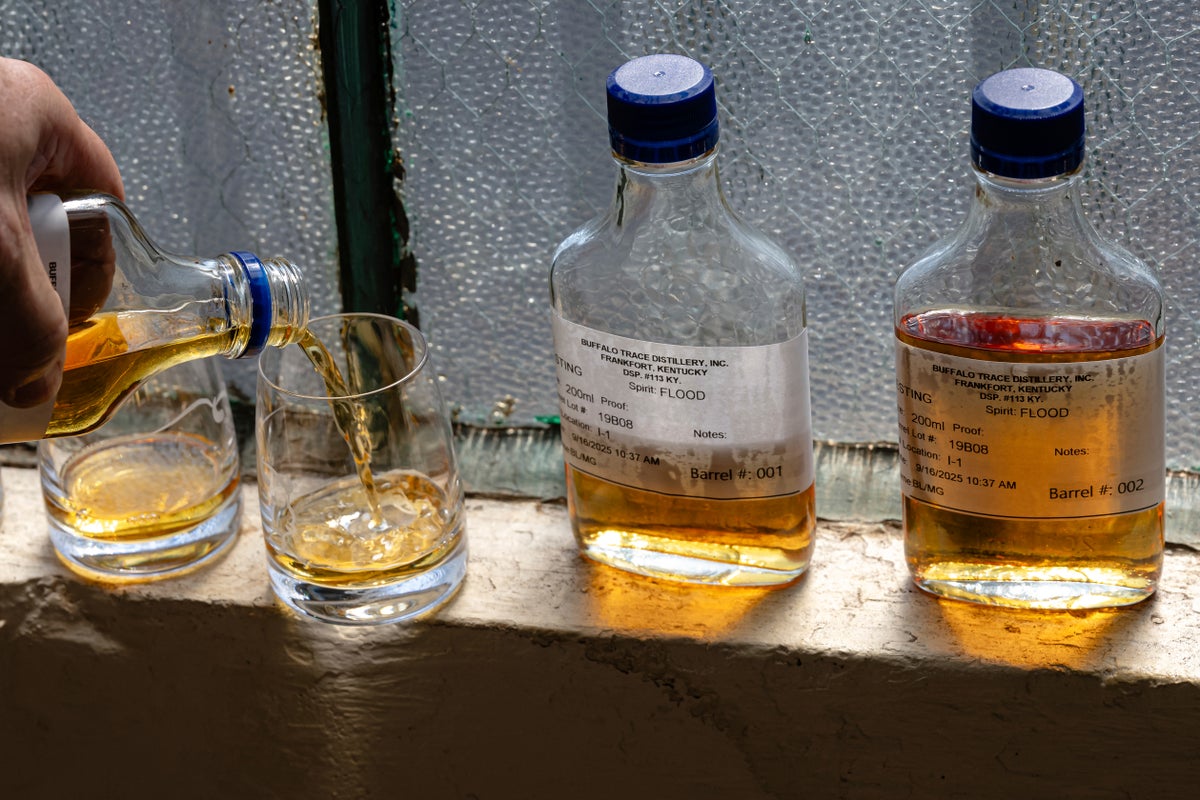
Few visible signs remain of the previous mess. Some barrels that came into contact with floodwaters are still being cleaned and tested, but the process is nearly complete. Quality assessments showed only minor impacts on aging whiskey. High water marks are still visible on some buildings, and tour guides mention the event during tours.
Danny Kahn, a master distiller for the parent company, recalls the experience with "a little PTSD." Although river flooding has occurred before, including major events in 1937 and 1978, the April flood reached unprecedented levels. The distillery had just completed a $1.2 billion expansion to double its distilling capacity.
Impact on the Whiskey Industry
For the American whiskey industry, it has been a challenging time. After years of growth, sales have slowed due to trade uncertainties and tariffs imposed by President Donald Trump. In 2024, U.S. whiskey sales fell nearly 2%, marking the first such drop in over 20 years. Initial data for the first half of 2025 showed continued declines, with exports dropping more than 13% through July compared to the previous year.
Chris Swonger, CEO of the Distilled Spirits Council, noted that lower domestic sales stem from market challenges, including supply chain issues and changing consumer trends. While there is debate about whether these are temporary or indicative of a larger shift, both large and small distilleries face pressure.
Large vs. Small Producers
Kentucky distilleries like Buffalo Trace, Jim Beam, Maker’s Mark, Woodford Reserve, Wild Turkey, and Four Roses can better withstand downturns than smaller producers. Heaven Hill Brands, another major producer, recently celebrated its new $200 million distillery in Bardstown, Kentucky, reflecting a long-term vision for the market.
Kate Latts, co-president of Heaven Hill Brands, emphasized the company's focus on building for future generations rather than chasing quarterly trends.
Preparing for the Future
At Buffalo Trace, the future remains tied to the Kentucky River, acknowledging that more floods could occur. The distillery has learned valuable lessons to be better prepared next time.
Adams noted that while the area is a National Historic Landmark, there is only so much that can be done to prevent water from entering certain spaces. The best approach is to prepare and do what is possible, even if holding back the water is ultimately inevitable.
The Independent is the world’s most free-thinking news brand, providing global news, commentary, and analysis for the independently-minded. We have grown a huge, global readership of independently minded individuals, who value our trusted voice and commitment to positive change. Our mission, making change happen, has never been as important as it is today.

Post a Comment for "Renewed: Historic Bourbon Distillery Reopens After Devastating Flood"
Post a Comment