
Russia's T-72 Tank in Four Words
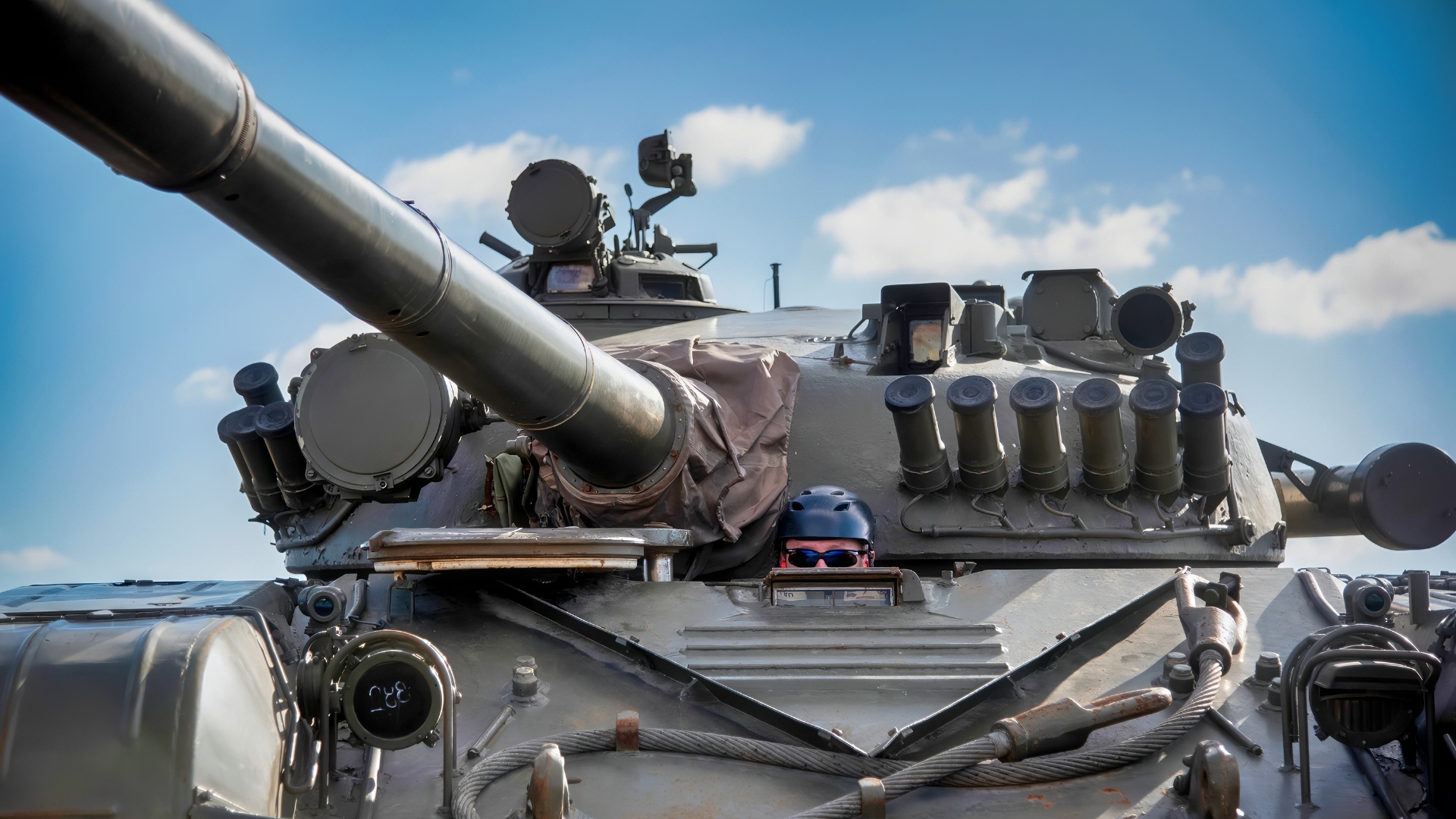
The T-72 Tank in the Context of the Ukraine War
The ongoing conflict in Ukraine has seen a significant number of Soviet-era T-72 main battle tanks lost on both sides, with confirmed losses reaching into the hundreds. This tank, which was developed during the Cold War, has become a focal point of the war due to its design and performance characteristics.
One of the key features of the T-72 is its three-man crew, which is supported by an autoloader that stores ammunition in a carousel beneath the turret. While this design offers a low profile, it also presents a serious risk if the tank is penetrated. In contrast, NATO tanks typically use blow-out panels to direct the force of an explosion away from the crew, reducing the likelihood of catastrophic damage.
Design Differences Between Soviet and NATO Tanks
Soviet and Russian tank designs prioritize automation, resulting in a smaller, more compact vehicle compared to Western counterparts like the M1 Abrams or the Leopard 2. This smaller size makes them harder to hit, but it comes at the cost of increased vulnerability if the internal ammunition storage is compromised.
The T-72's ammunition carousel, located inside the turret, is a unique feature that allows for rapid reloading without the need for a fourth crew member. However, this system can lead to devastating consequences if the tank is struck and the ammunition ignites. NATO tanks, on the other hand, store their ammunition in separate compartments with blow-out panels designed to minimize crew exposure in the event of an explosion.
Unique Configurations and Upgrades
Ukraine has been using some unconventional configurations of the T-72, including hybrid models that combine elements of different vehicles. One such example is a tank that incorporates the turret of a T-72 with a self-propelled howitzer, creating a versatile platform for indirect fire support.
India, which operates one of the largest fleets of T-72 tanks, has plans to upgrade its fleet. The country has signed a deal with Russia to replace the engines of its T-72s with more powerful 1,000-horsepower alternatives. This upgrade is expected to enhance the mobility and offensive capabilities of India’s tank fleet, ensuring they remain effective against more advanced adversaries.
Despite initial discussions about transferring some of India’s T-72s to Ukraine, these efforts have not materialized. India remains committed to maintaining its fleet for the foreseeable future.
Russia’s Tank Production Challenges
Russia has continued to develop and refine the T-72 over the years, incorporating improvements in armor protection, targeting systems, and automation. However, recent challenges, including Western sanctions and industrial bottlenecks, have hindered the production of newer models like the T-90. As a result, Russia may be forced to rely on its existing T-72 fleet, which could lead to further losses as the conflict continues.
With the current push in Ukraine and the high casualty rates experienced by Russian forces, it is likely that more T-72s will be lost in the coming months. This highlights the ongoing challenges faced by both sides in the conflict, as well as the enduring legacy of Soviet-era military technology in modern warfare.
The Future of Tank Warfare
As the war in Ukraine continues, the role of the T-72 and other older tank models will remain a critical factor. The balance between technological advancement and the practicalities of maintaining large fleets of aging equipment will shape the future of tank warfare. For countries like India and Russia, the decision to upgrade or retain older models reflects broader strategic considerations in the face of evolving threats and geopolitical tensions.

Post a Comment for "Russia's T-72 Tank in Four Words"
Post a Comment